7 Costly Mistakes People Make Without Renters Insurance for Storage Units
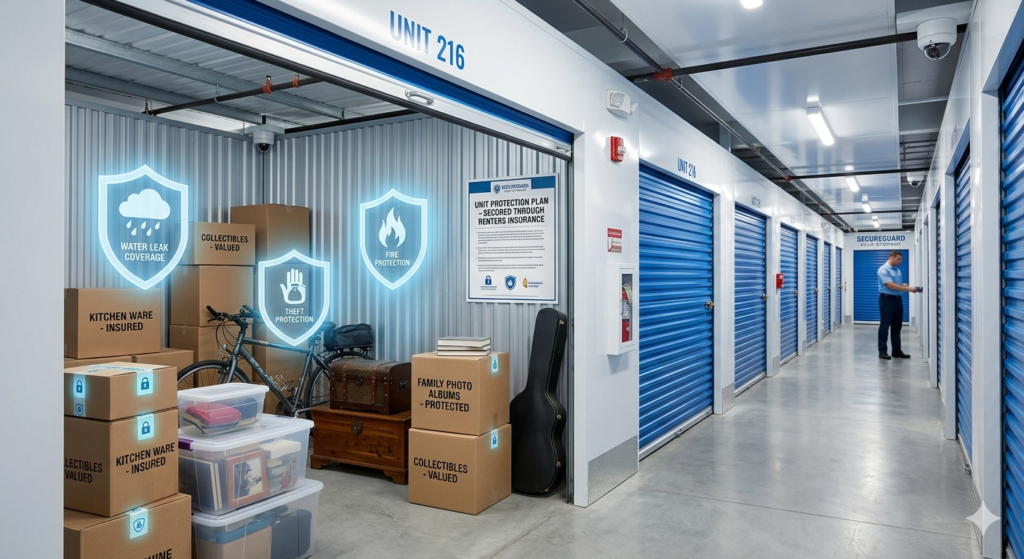
Self-storage units are designed to make life easier. Whether you are moving house, renovating a property, traveling long term, or simply creating extra space at home, storage facilities offer a convenient solution. However, convenience can quickly turn into financial stress when stored belongings are damaged, stolen, or destroyed unexpectedly.
That is why more renters are now searching for reliable renters insurance for storage units before placing valuable items into storage. Many people believe locks and security cameras are enough to keep their belongings safe. Unfortunately, theft, fire, water damage, storms, and mold can still happen even in highly secure facilities.
The biggest problem is not the storage unit itself. It is the costly mistakes renters make before storing their belongings. Understanding these mistakes can help you avoid expensive losses and make smarter storage decisions.
Mistake #1: Assuming the Storage Facility Covers Your Belongings
This is the most common mistake storage renters make.
Many people assume the facility automatically insures everything inside the unit. In reality, most storage companies only provide physical space and basic property security.
If your belongings are damaged or stolen, the facility may not reimburse you unless negligence is proven. Even then, compensation can be limited.
Why This Becomes Expensive
Imagine losing:
- A laptop
- Bedroom furniture
- Designer clothing
- Appliances
- Family keepsakes
Replacing everything out of pocket can cost thousands of dollars.
That is why storage protection coverage matters.
Mistake #2: Choosing the Cheapest Storage Unit Only
Price matters, but selecting a facility based only on low monthly cost can create bigger problems later.
Some low-cost facilities may lack:
- Surveillance cameras
- Secure access gates
- On-site management
- Climate control
- Individual unit alarms
Lower security often means higher risk.
Smart Renters Look For:
✅ Gated entry
✅ Security cameras
✅ Bright lighting
✅ Controlled access systems
✅ Clean surroundings
✅ Positive customer reviews
Good security reduces risk, while insurance helps handle financial losses if incidents still occur.
Mistake #3: Ignoring Climate-Controlled Storage
Temperature and humidity can quietly destroy belongings over time.
Many renters underestimate how quickly moisture affects stored items.
Commonly Damaged Items
| Item | Potential Damage |
|---|---|
| Wooden furniture | Cracking and warping |
| Electronics | Internal corrosion |
| Clothing | Mold and odor |
| Paper documents | Fading and deterioration |
| Artwork | Moisture damage |
Climate-controlled storage helps regulate temperature and humidity levels, especially in warm or humid regions.
Mistake #4: Not Using Renters Insurance for Storage Units
Some renters believe insurance is unnecessary because “nothing bad will happen.”
Unfortunately, accidents are unpredictable.
Risks that still exist:
- Fires
- Flooding
- Theft
- Storm damage
- Water leaks
- Vandalism
Without insurance, renters absorb the full financial loss themselves.
Why Insurance Is Worth It
A small monthly premium can protect:
- Furniture
- Electronics
- Appliances
- Personal valuables
- Business inventory
Compared to replacement costs, insurance is usually very affordable.
Mistake #5: Storing Valuable Items Incorrectly
Even insured belongings can become damaged because of poor packing habits.
Common Packing Errors
Using Weak Cardboard Boxes
Cheap boxes collapse under pressure or moisture.
Placing Items Directly on the Floor
Water intrusion can damage belongings quickly.
Overfilling the Unit
Overcrowding increases accidental breakage risks.
Wrapping Furniture in Plastic
Plastic traps moisture and may cause mold growth.
Better Storage Habits Include:
- Using waterproof plastic containers
- Elevating items with pallets
- Leaving airflow between boxes
- Labeling fragile items clearly
- Using breathable furniture covers
Good packing reduces damage risk significantly.
Mistake #6: Forgetting to Document Stored Belongings
Insurance claims become much harder without proof of ownership.
Many renters never create an inventory list before storing items.
Important Documentation Includes:
Photos
Take clear pictures before placing items into storage.
Receipts
Save proof of purchase for valuable belongings.
Serial Numbers
Especially important for electronics and appliances.
Video Walkthroughs
A quick storage unit video can help support future claims.
Digital records stored online provide extra protection.
Mistake #7: Underestimating the Total Value of Stored Items
One sofa may not seem expensive alone. But when combined with appliances, electronics, clothing, and furniture, storage units often contain thousands of dollars worth of belongings.
Example Storage Value Breakdown
| Item Category | Estimated Value |
|---|---|
| Living room furniture | $2,500 |
| Bedroom furniture | $2,000 |
| Electronics | $1,800 |
| Clothing | $1,200 |
| Appliances | $1,500 |
Total estimated value: over $9,000
Many renters realize the true value only after a loss occurs.
What Does Storage Insurance Usually Cover?
Coverage depends on the provider, but many policies include protection for:
- Theft
- Fire damage
- Smoke damage
- Vandalism
- Windstorms
- Certain water-related incidents
Some providers also offer customizable protection for high-value belongings.
What Is Commonly Excluded?
Not every situation is automatically covered.
Policies may exclude:
- Flood damage
- Earthquakes
- Pest infestations
- Mold caused by neglect
- Cash
- Rare collectibles without additional protection
Reading policy details carefully helps avoid misunderstandings later.
Signs You Should Upgrade Your Coverage
You may need stronger coverage if your storage unit contains:
- Luxury furniture
- Expensive electronics
- Photography equipment
- Antiques
- Business inventory
- Designer fashion items
Higher-value belongings deserve better financial protection.
Questions Smart Renters Ask Before Buying Insurance
Before selecting a storage insurance plan, ask:
- What risks are covered?
- Is theft protection included?
- What are the policy limits?
- Is there a deductible?
- Are electronics fully protected?
- How fast are claims processed?
- Is water damage included?
These questions help renters choose better protection plans.
Why More People Are Buying Storage Insurance Today
Modern lifestyles create more storage needs than ever before.
People now store belongings because of:
- Remote work transitions
- Frequent relocation
- Downsizing
- Apartment living
- Online businesses
- Temporary housing
As storage usage grows, awareness about insurance protection continues increasing as well.
Final Thoughts
Using a storage unit without proper preparation can become a costly mistake. While secure facilities help reduce risks, they cannot completely prevent theft, water damage, fires, or unexpected accidents.
Avoiding common storage mistakes and choosing renters insurance for storage units gives renters greater financial security and peace of mind. Proper insurance coverage, combined with smart packing and secure facilities, creates the best possible protection for stored belongings. Instead of waiting until after a loss occurs, proactive renters protect their valuables before problems happen.