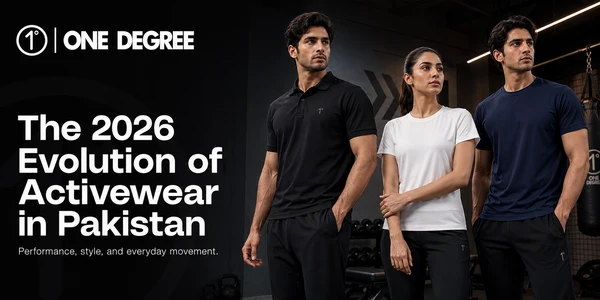
Good training gear has to clear three separate bars, not one. It has to survive the heat, move honestly with the body instead of fighting it, and hold up outside the gym once the session’s over. Most activewear still gets built around the first bar and treats the other two as optional.
That’s the actual standard worth measuring gear against in 2026, and it’s a useful lens for looking at where activewear in Pakistan is headed next.
Breathable: Surviving the Heat with Smart Textiles
Cotton has an obvious problem in a Pakistani gym: it absorbs sweat instead of managing it. A soaked shirt gets heavy, clings to the skin mid-lift, and turns into exactly the kind of friction a compound movement doesn’t need. Left damp for long enough, it starts breeding bacteria too, which is less about performance and more about basic hygiene.
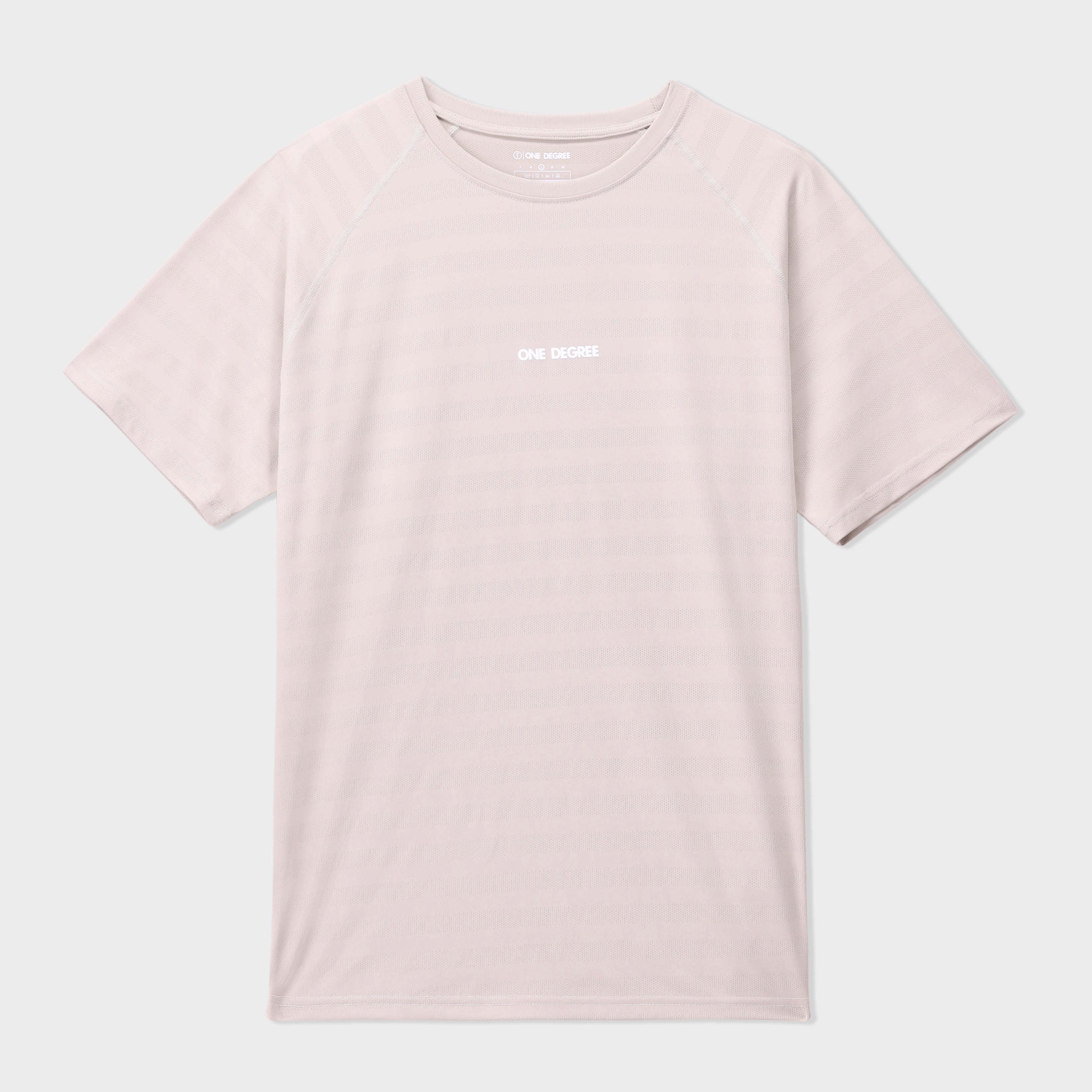
Synthetic blends solve this differently. Jacquard mesh uses an open, patterned weave that moves air across the body instead of trapping it. Interlock construction takes a different route to the same goal: a denser, more stable knit that still allows the stretch heavy training demands, without the sweat-heavy sag cotton is known for.
For sportswear T-shirts specifically, this is the actual test worth applying: does the activewear fabric vent heat and move moisture away from the skin fast, or does it just look technical while behaving like cotton underneath? Real activewear for men should pass that test on the first heavy set, not the label.
A fabric earns the “technical” label by doing a specific set of jobs, not by looking the part:
- Moving sweat away from the skin instead of holding onto it
- Staying breathable under sustained heat, not just at rest
- Drying fast enough that one session doesn’t mean carrying wet fabric for the rest of the day
- Resisting the odor buildup that damp cotton is prone to
Flexible: The Shift to Relaxed Silhouettes and Functional Modesty
Tight isn’t automatically athletic. That distinction matters more than the fitness industry has historically acknowledged, and the market is starting to correct for it: a noticeable move away from ultra-restrictive, skin-tight cuts toward more relaxed, matte-finish silhouettes that still perform under load.
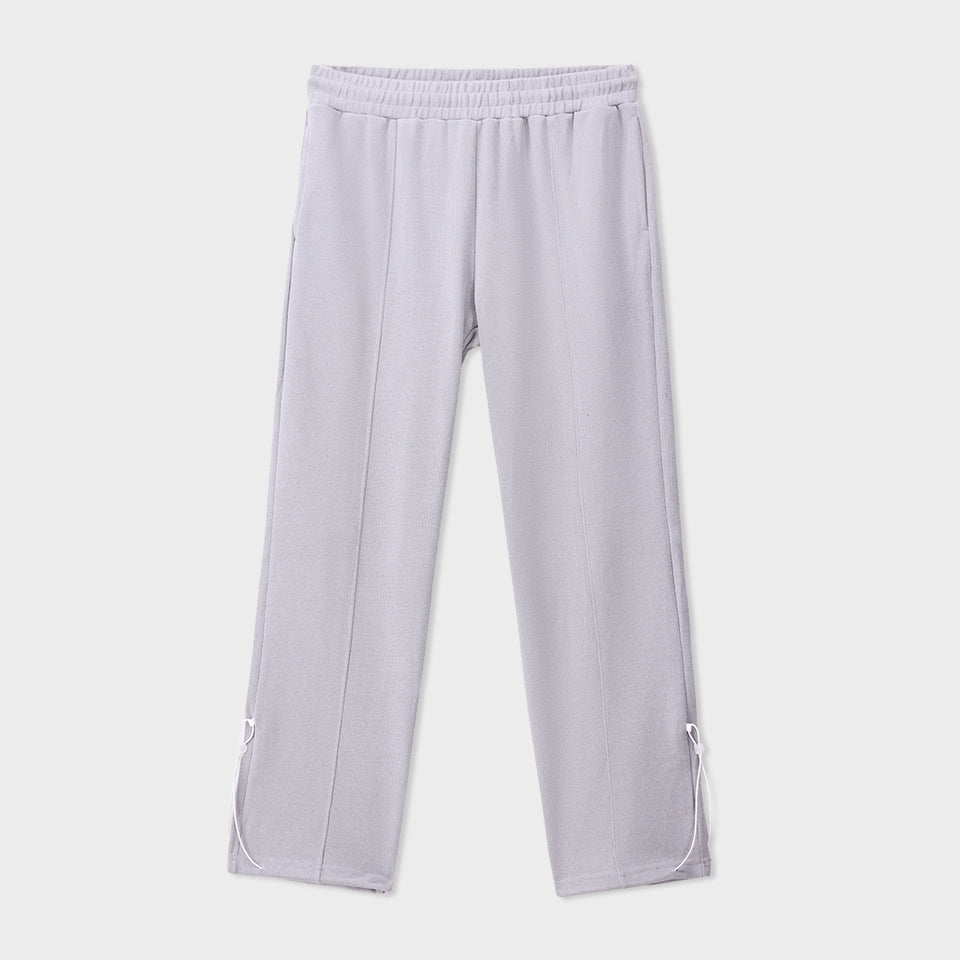
Real flexibility means a full range of motion without the fabric pushing back against it, whether that’s a deep squat, an overhead press, or a lateral step. A garment that restricts movement to look fitted has failed at its actual job, no matter how technical the marketing copy sounds.
That rethink shows up clearly in how activewear for women is evolving. Wide-leg trousers and relaxed, slit-hem tops are showing up more often in serious training wardrobes, not as a compromise on performance but as a genuine rethink of what full coverage and full mobility can look like together, without defaulting to the tightest possible cut as the only signal of seriousness.
Ready: The “Gym-to-Street” Hybrid Wardrobe
Packing two separate wardrobes for one day, one for training and one for everything after, is a habit most people have simply run out of time for. Gear now has to survive a heavy session and still look intentional at a coffee run an hour later.
That pressure is reshaping what counts as a training essential. A few shifts define it:
- Structured sportswear trousers replacing the shapeless sweatpants as the default lower-body piece
- High-clearance sportswear shorts paired with a mock neck or polo, instead of whatever oversized tee was closest
- Fabric choices that hold their shape and finish through a full day, not just a single workout
Men’s workout apparel has adapted around exactly this shift: fewer single-purpose gym pieces, more transitional ones built to move between training and the rest of the day without a wardrobe change in between.
Investing in the Right Training Uniform
None of this is about vanity. It’s about removing friction, the kind that shows up as a shirt clinging mid-set, a waistband that won’t move through a squat, or a wardrobe change that eats into the twenty minutes between the gym and wherever the day goes next.
Worth auditing what’s actually in a training wardrobe against that standard, and looking toward the activewear brands in Pakistan actually engineering for it. ONE DEGREE is one of the more interesting examples right now, building specifically around local climate and the demands of modern training rather than adapting gear designed for somewhere else.