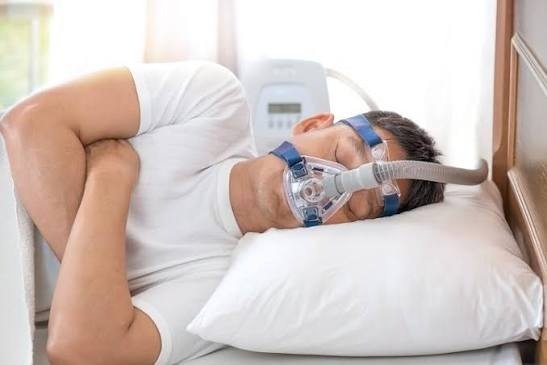
Continuous Positive Airway Pressure, commonly known as CPAP, is an established treatment for obstructive sleep apnoea. However, some people find wearing a mask, managing tubing or using pressurised air every night difficult.
For selected patients, hypoglossal nerve stimulation offers a different approach. Rather than delivering air through a mask, an implanted device works with the body’s breathing pattern to stimulate the nerve that controls important tongue muscles during sleep.
It is an advanced treatment, but it is not suitable for everyone. Careful assessment is an important part of deciding whether it may be appropriate.
What Is Hypoglossal Nerve Stimulation?
The hypoglossal nerve controls muscles involved in tongue movement. During sleep, movement of the tongue can influence the amount of space available in the upper airway.
A hypoglossal nerve implant uses electrical stimulation to activate the relevant tongue muscles in synchronisation with breathing. The aim is to help maintain airway opening and reduce obstruction during sleep.
Unlike CPAP, the treatment does not require a mask, external air hose or continuous pressurised airflow.
Who Might Consider an Implant?
Hypoglossal nerve stimulation is generally considered for carefully selected adults with obstructive sleep apnoea.
One important consideration is whether the person has been unable to tolerate CPAP despite appropriate attempts to use it. The severity of sleep apnoea and the individual’s airway anatomy are also important when assessing suitability.
This means an implant should not be viewed as a general replacement for CPAP. It is a specialist treatment pathway for patients who meet specific clinical criteria.
Why Is a Sleep Study Necessary?
A diagnosis of sleep apnoea should be based on appropriate testing rather than symptoms alone.
A sleep study can measure breathing, airflow, oxygen saturation, snoring and other factors during sleep. These results help establish the severity of obstructive sleep apnoea and provide important information when considering treatment options.
Previous sleep studies and CPAP information can also be useful when discussing whether an implant may be appropriate.
What Role Does DISE Play?
Drug-Induced Sleep Endoscopy, often abbreviated to DISE, is another important part of assessment for selected patients.
During DISE, a specialist examines the upper airway under sleep-like conditions. This can show where and how the airway is narrowing or collapsing.
The pattern of airway collapse matters because hypoglossal nerve stimulation is not appropriate for every type of obstruction. DISE can therefore provide information that cannot always be obtained from an awake examination alone.
How Does an Implant Differ From CPAP?
The two treatments work in fundamentally different ways.
CPAP uses a mask and pressurised airflow to help keep the airway open. Hypoglossal nerve stimulation instead uses an implanted device to stimulate the hypoglossal nerve in coordination with breathing.
For suitable patients who struggle with CPAP, the absence of a nightly mask and external tubing may be an important practical consideration. However, an implant involves a surgical procedure and therefore requires a different type of assessment and follow-up.
What Implant Options Are Available?
The systems use different designs and approaches to delivering nerve stimulation. The most appropriate option depends on clinical suitability, availability and the specialist assessment rather than simply choosing a device based on its name.
Patients should ask their specialist to explain how the available systems work and which, if any, may be suitable for them.
What Does the Assessment Process Involve?
The process typically begins with a consultation covering symptoms, sleep history and previous treatments.
This can be followed by a sleep study and detailed airway examination. Where appropriate, DISE is used to assess the pattern of airway collapse before a decision about implantation is made.
If an implant is recommended, the patient should also receive information about the procedure, recovery, device activation and ongoing follow-up.
Is Hypoglossal Nerve Stimulation Right for Everyone?
No. Suitability depends on several clinical factors.
People considering hypoglossal nerve stimulation London should expect a detailed assessment rather than an automatic recommendation. The severity of obstructive sleep apnoea, previous CPAP experience, airway anatomy and sleep-study findings all need to be considered.
Other treatment options may still be more appropriate depending on the individual.
Choosing a Specialist for Implant Assessment
Because hypoglossal nerve stimulation involves both sleep medicine and airway anatomy, specialist experience can be particularly relevant.
The Snoring & Sleep Clinic is led by Mr Ryan Chin Taw Cheong, a Consultant ENT and Sleep Surgeon specialising in snoring, obstructive sleep apnoea and hypoglossal nerve stimulation. The clinic describes a structured assessment involving sleep studies, ENT examination and DISE where appropriate.
For people considering hypoglossal nerve implants in London, understanding the assessment process is just as important as understanding the implant itself.
A specialist consultation can help establish whether this treatment is appropriate or whether another approach would be better suited to the individual’s circumstances.