Healthcare has changed greatly with the growth of medical technology. Today, hospitals, clinics, laboratories, and other healthcare centers use different types of biomedical devices to provide better patient care. These biomedical devices help medical professionals check health conditions, find diseases, monitor patients, and provide treatment. They also help make many medical tasks faster, safer, and more accurate.
The importance of biomedical devices can be seen in almost every part of healthcare. From a simple blood pressure monitor to advanced patient monitoring systems, each device has a specific role. As the need for better healthcare services continues to grow, reliable medical technology has become an important part of modern patient care.
What Are Biomedical Devices?
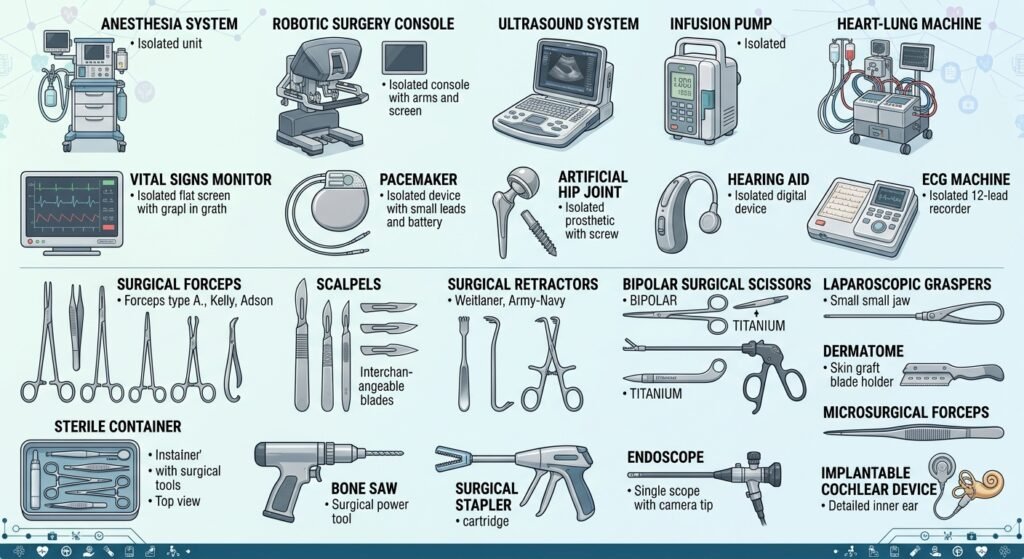
Biomedical devices are medical tools, machines, instruments, and systems used to support healthcare. They are designed to help healthcare professionals understand, monitor, prevent, or treat health problems. Some devices are simple and easy to use, while others are advanced and require trained professionals.
Common examples include ECG machines, patient monitors, infusion pumps, ventilators, defibrillators, ultrasound machines, blood glucose meters, and laboratory equipment. These devices are used in different healthcare settings based on the needs of patients and medical staff.
The main purpose of these devices is to support healthcare professionals. They provide useful information and help doctors and nurses make better decisions during patient care.
Importance in Early Diagnosis
One of the biggest benefits of biomedical devices is their role in early diagnosis. Finding a health problem early can help doctors start suitable care sooner. Diagnostic devices provide information that may help identify health problems before they become more serious.
For example, an ECG machine records the electrical activity of the heart and can help doctors check for certain heart problems. Ultrasound equipment can create images of organs and other parts of the body. Blood testing equipment can help identify changes in a patient’s health.
Without reliable diagnostic tools, many health problems may be harder to detect. Biomedical technology gives healthcare professionals access to useful information that supports the diagnosis process.
Better Patient Monitoring
Patient monitoring is another major reason these devices are important. Patients with serious health conditions often need regular observation. Biomedical devices can help medical staff track important body functions and notice changes in a patient’s condition.
Patient monitors can display information such as heart rate, blood pressure, oxygen levels, and temperature. This information can be especially useful in intensive care units, emergency departments, and operating rooms.
Continuous monitoring can help healthcare workers respond more quickly when a patient’s condition changes. It also reduces the need for staff to perform every measurement manually, which can save time in busy healthcare environments.
Supporting Medical Treatment
Biomedical devices also play an important role in treatment. Many patients need controlled and accurate care, especially when they are seriously ill. Medical devices can help healthcare professionals provide treatment according to the needs of each patient.
Infusion pumps, for example, can deliver fluids or medicines at a controlled rate. Ventilators can support patients who have difficulty breathing. Defibrillators can be used during certain cardiac emergencies. Electrosurgical devices can support surgeons during medical procedures.
These technologies do not replace doctors or nurses. Instead, they give trained professionals useful tools that support treatment and patient management.
Improving Patient Safety
Patient safety is one of the most important parts of healthcare. Poor equipment or incorrect readings can create problems during diagnosis and treatment. Reliable biomedical devices can help reduce these risks when they are used and maintained correctly.
Modern equipment often includes clear displays, warning alarms, safety features, and automatic functions. These features can help medical staff identify important changes and avoid certain errors.
However, having advanced equipment alone is not enough. Devices must be checked, maintained, calibrated, and used by trained staff. Proper equipment management is necessary to support safe patient care.
Saving Time for Healthcare Professionals
Healthcare workers often have to manage many patients and tasks at the same time. Biomedical devices can help save time by making some medical processes faster and easier.
For example, digital monitoring systems can display patient information in real time. Automated laboratory equipment can process samples more efficiently. Portable devices can allow medical staff to perform certain checks near the patient’s bed.
Saving time can help healthcare professionals focus more on patients. It can also improve the overall workflow of hospitals and clinics.
The Role of Biomedical Equipment
Biomedical Equipment is used in many areas of healthcare, including diagnosis, monitoring, treatment, and patient support. Hospitals depend on equipment that can perform reliably during both routine care and emergency situations.
Proper management is an important part of using this equipment. Machines may need regular inspection, cleaning, calibration, maintenance, and repair. Staff members should also receive proper training before using equipment.
A hospital that invests in good equipment but does not maintain it properly may face unexpected problems. Regular maintenance can help extend equipment life and reduce the risk of sudden failure.
Choosing the Right Biomedical Devices Supplier
Choosing a trusted biomedical devices supplier is important for hospitals, clinics, laboratories, and medical centers. The supplier should provide suitable products that meet the required quality and safety standards.
Healthcare organizations should look at more than the purchase price when selecting a supplier. Product quality, warranty, technical support, spare parts, installation, training, and maintenance services are also important factors.
A reliable supplier can help healthcare facilities select equipment that fits their needs. Good supplier support can also make it easier to maintain equipment and solve technical problems when they occur.
Importance in Emergency Care
Biomedical devices are especially important during medical emergencies. Doctors and nurses may need to make quick decisions when treating patients with serious conditions. Reliable equipment can provide important information and support immediate care.
Patient monitors can show vital signs, while defibrillators can be used during certain cardiac emergencies. Ventilators can provide breathing support for patients who cannot breathe properly on their own.
In emergency settings, equipment must be ready to work when needed. Regular testing and maintenance are therefore essential for emergency medical devices.
Supporting Home Healthcare
The use of biomedical technology is not limited to hospitals. Many devices are now used in homes to help patients monitor their health. Portable blood pressure monitors, glucose meters, oxygen equipment, and other devices can support home healthcare when used under proper medical guidance.
Home-based devices can make healthcare more convenient for some patients. They may reduce the need for frequent hospital visits and allow certain health measurements to be taken at home.
As technology becomes smaller and easier to use, more medical devices may become available for home-based care and remote monitoring.
Future of Biomedical Devices
The future of biomedical technology is expected to bring more connected and smart devices. Wearable sensors, remote monitoring tools, digital health systems, and artificial intelligence are already changing some areas of healthcare.
These technologies may help collect health information more quickly and allow healthcare professionals to monitor patients from different locations. Smart systems may also help identify changes in patient data and support medical decisions.
At the same time, safety, accuracy, privacy, proper training, and responsible use will remain important. New technology must be tested and used correctly to provide real value to healthcare.
Conclusion
Biomedical devices are an essential part of modern healthcare. They support early diagnosis, patient monitoring, medical treatment, emergency care, and home healthcare. They also help healthcare professionals save time and make informed decisions.
The value of these devices depends not only on their technology but also on proper maintenance, training, and safe use. Healthcare organizations should choose quality products and work with a dependable biomedical devices supplier that can provide suitable equipment and ongoing support.
As healthcare continues to develop, the role of biomedical devices will become even more important. Reliable technology, combined with skilled healthcare professionals, can help healthcare facilities provide safer, faster, and more effective patient care.