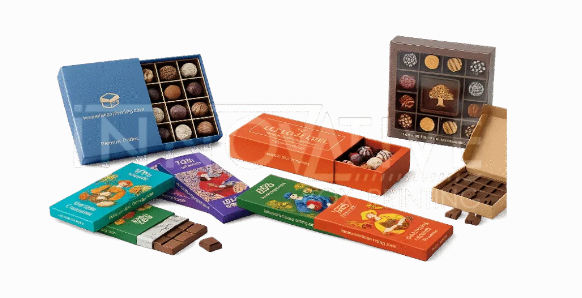
Chocolate boxes do more than hold sweets. They shape how customers judge the product before they taste it. A plain box can make handmade truffles look ordinary, while a box with the right size, print, and finish can make the same chocolates feel far more considered.
That matters in retail stores, on ecommerce product pages, and in gift sales. Packaging sits at the point where presentation, branding, and protection meet. If the box looks right, customers are more likely to pick up the product, trust the brand, and treat the chocolates as something worth buying or giving.
The box sets the first impression
People often decide how they feel about a chocolate product in a few seconds. The box does most of that work.
A clean layout, a balanced logo placement, and a box that fits the chocolates properly all suggest care. If the packaging looks weak, dented, or too basic for the price, the product can lose appeal before anyone opens it. That is why chocolate boxes matter so much for artisan brands, luxury confectionery, and everyday gift packs.
The box does not need to be complicated. It just needs to look intentional. When the structure, print, and proportions work together, the product feels more complete.
Packaging tells the brand story
Chocolate boxes also act as a branding surface. Color, typography, logo placement, and material choice all tell customers what kind of brand they are looking at.
A high-end chocolate maker may use rigid boxes, foil stamping, and embossing to signal a more refined product. A brand focused on natural ingredients may choose kraft paper, simple graphics, and recycled board to keep the look honest and clean. Both approaches can work. What matters is consistency.
When the box matches the brand identity, the product feels more credible. The customer sees the packaging and understands the positioning of the chocolate without reading a long description. That is useful in stores, on shelves, and in product photos.
Seasonal packaging also helps here. A brand can keep its core identity and still adapt the box for weddings, holidays, or corporate gifts. The product stays familiar, but the presentation feels fresh.
Good packaging protects the product presentation
Appeal is not only about design. Chocolate needs packaging that helps it arrive and stay in good condition.
Truffles, pralines, and filled chocolates can shift during transport if the box has no insert or the fit is too loose. That movement can damage the appearance of the product. Smudged surfaces, broken corners, and uneven placement make the box feel less premium, even if the chocolate itself is well made.
A proper insert keeps each piece in place. A food-safe inner layer helps preserve the condition of the chocolates. A firm closure reduces the chance of the box opening or bending during handling. These practical details matter because customers usually judge the product by what they receive, not by how it looked in a studio photo.
When the contents stay neat, the box supports the product instead of distracting from it.
Shelf presence makes the product easier to notice
In retail, the box has to do more than look good. It has to stand out without looking loud.
Clear naming, a strong visual hierarchy, and a readable front panel help shoppers understand the product quickly. If the box is crowded with text or cluttered graphics, customers have to work harder to figure out what they are buying. That slows the decision.
A well-designed chocolate box can sit on a shelf and still feel easy to read from a short distance. That is especially useful in busy stores where similar products compete for attention. The same idea applies online. On an ecommerce page, the box must photograph well from the front, side, and open view. A neat structure gives the product a stronger visual case before the customer scrolls to reviews or ingredients.
The unboxing moment adds value
Chocolate is often bought as a gift, so the unboxing experience matters.
A box that opens smoothly, holds the chocolates neatly, and reveals the product in an organized way gives the buyer a better sense of value. That does not require extra decoration. Even a simple window box or a tidy magnetic closure can make the experience feel more thoughtful.
This is important for gift buyers who want the product to look ready without extra wrapping. It also matters for repeat customers. People remember how a product felt when they opened it. If the experience was clean and simple, they are more likely to associate the brand with care.
Material and finish shape how people read the product
The material of the box changes the tone immediately.
Rigid boxes usually feel more substantial and are often used for premium assortments. Folding cartons work well for standard retail packaging. Kraft boxes can support a handmade or natural brand style. None of these choices is automatically better. The right option depends on the product, the audience, and the price point.
Finish matters too. Matte coating gives a calmer look. Gloss can make colors stand out. Soft-touch lamination changes how the box feels in the hand. Foil stamping can highlight a logo or product name. Embossing adds texture. These details are small, but they shape how the customer reads the product at first glance.
A good finish should support the chocolate, not fight for attention.
Small design choices can improve appeal
A few packaging choices often make the biggest difference:
- Use a box size that fits the chocolates closely.
- Keep the front panel simple and easy to read.
- Match colors to the brand or flavor range.
- Add inserts for assortments or delicate pieces.
- Use a window only when it helps the presentation.
- Keep the inside tidy, since customers do open the box.
These choices are practical, not decorative. They help the product look organised and make the box feel more deliberate.
Why chocolate boxes matter for product appeal
Chocolate boxes improve product appeal because they shape how customers see the product, how they trust the brand, and how they feel when they open it. The right box can make chocolates look more polished, protect the contents during transport, and support both shelf display and gift sales.
For chocolatiers, confectionery brands, and gift sellers, packaging is part of the product itself. When the box fits the brand and the chocolate inside, the product feels easier to notice and easier to choose.
Common questions about chocolate box packaging
Why do chocolate boxes matter so much for customers?
Chocolate boxes create the first impression. They affect how customers judge quality, freshness, and brand value before they taste the product. A good box makes the product feel more complete.
Which box styles work well for chocolates?
Rigid boxes, folding cartons, sleeves, and window boxes all work well. The right style depends on the chocolate type, the budget, and the brand image. Boxes with inserts are useful for assortments and delicate pieces.
Can eco-friendly chocolate boxes still look premium?
Yes. Recycled board, kraft paper, and simple printing can still look refined when the structure is clean and the details are well planned. Material choice matters, but design and finishing matter too.