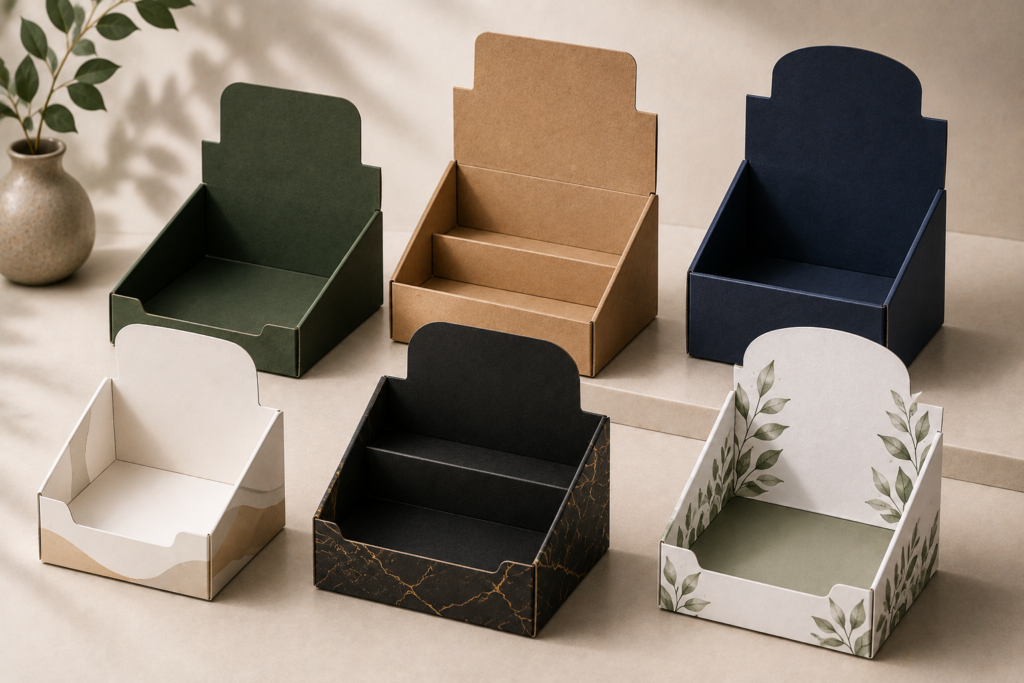
The test of all new products is the shelf. A customer can browse for hundreds of products in a matter of seconds and will only collect a few of them. For small and mid-size brands, it’s a make-or-break moment and it’s not about the product. It’s all about presentation. That is why more start-ups are opting for custom display boxes rather than typical shipping cartons that fail to make a product pop.
In the days gone by, smaller companies had packaging come last. The only way to get a good show was to have the funds of a major brand and everyone else just settled for a simple box on a back shelf. Competition is closing that gap down quickly and it’s transforming the way new products vie for space at check out counters, end caps and pop-up shops.
Why Do Retail Shelves Need Better Packaging?
Retailers have limited space and they place most of their emphasis on selling “self-sellers. A standard box will be discarded from the bottom shelf or even ignored when reordering. A box intended for display, however, is a marketing and merchandising all in one.
This is what store buyers take note of as well. If a brand appears in the store with packaging that can be seen, it’s a sign of a company that knows its way around retail, rather than manufacturing. That perception can impact if a consumer takes the chance on a new product line, or whether they steer clear of the new offering to go with a more recognizable name.
What Makes Custom Display Boxes Work So Well?
A display box is not a holder for a product, it is a smart interface. A display box tells the customer what the product is; why it matters and why it should be in their cart all in a seconds.
- Bold graphics and structure make for instant shelf presence, as opposed to a plain carton
- Colors, fonts and finishes tell the quality story before they even read a word of the brand’s story.
- Space efficiency; lots of display formats are flat when boxed and ready to be opened on the spot.
- Lower long-term cost; Good packaging minimises the need of any separate signage or promotional material in store.
Brands having less brand equity that make an investment here often find it is rewarded with repeat orders from retailers as long as the product is moving off the shelf, otherwise, that product is likely to be removed from the shelf.
What Should Brands Look For in a Packaging Manufacturer?
Not all packaging suppliers can provide the type of finish and packaging structure that display boxes require. There are some key points that it is important to consider before signing a contract with the manufacturer.
Material and Print Quality
Print that is cheap on store quality paper that warps with the weather and quality prints that are flat and low resolution make even a great product look store. Get samples before placing a big order.
Structural Design Experience
Custom display packing boxes must be strong, fold properly and stand up on their own. This is a different process from printing off-the-shelf shipping cartons so it’s best to find a manufacturer that’s experienced in retail formats.
Order Flexibility
Smaller brands don’t typically require tens of thousands of units immediately. A manufacturer willing to sell a smaller quantity of the item allows a company to try out the design in a few stores and then expand production once they are satisfied with how it is working.
Direct Manufacturing Relationships
Many people prefer to work with a real manufacturer instead of a middle man broker as this typically guarantees a lower price, quicker turnaround and control over the final product.
A Look at Top Packaging Manufacturers in the USA
The United States is no exception when it comes to packaging companies, but there are a few that have the ability to deliver high-quality packaging solutions, flexibility and quick turnaround for emerging brands.
Kwick Packaging
A manufacturer based in the USA which creates custom display packaging directly for brands of all sizes without sending orders through a third party reseller.
WestRock
This longstanding brand in the packaging sector works with a diverse array of large-scale retail and consumer goods clients in various product categories.
International Paper
This company is well known for its wide-spread presence in corrugated packaging and offers a range of boxes and cartons from shipping to retail ready display boxes for major national brands.
When deciding on which manufacturer to evaluate, look at more than just name recognition; consider turnaround, minimum order and sample quality. Sometimes a smaller special manufacturer is better suited to the needs of an expanding brand than a large manufacturer geared for enterprise-scale orders.
Which Industries Benefit Most From Display Packaging?
The priorities vary based on the product.
- Beauty and skincare: neat, high quality boxes help establish a brand’s quality claims
- Snacks and food items: colorful and appealing graphics stimulate impulse buying at the checkout counter
- Clear labels and strong packaging for supplements and wellness products engender trust on a first glance.
- Electronics accessories: small items are displayed and secured by compact, secure displays
- Items for sale as seasons or as gifts: these are ones on which the design may even be more important than ever during the busier time of the year.
The idea behind all of these classifications is the same; packaging is part of the selling process, even before the customer picks it up.
Final Thoughts on Custom Display Boxes
This trend to improve retail packaging is no fad. With more limited shelf space and consumers making quicker purchasing choices, custom display boxes are increasingly a staple in the launch and growth of new brands. Companies used to think packaging was just an expense, but now they think of it as an integral part of the product.
As an example of brands willing to commit to direct manufacturing but not large minimum quantities, Kwick Packaging is one manufacturer that could be explored by founders. Trying a small batch, getting feedback from retail partners and tweaking the design based on that feedback generally is more successful than simply guessing at scale from the start.