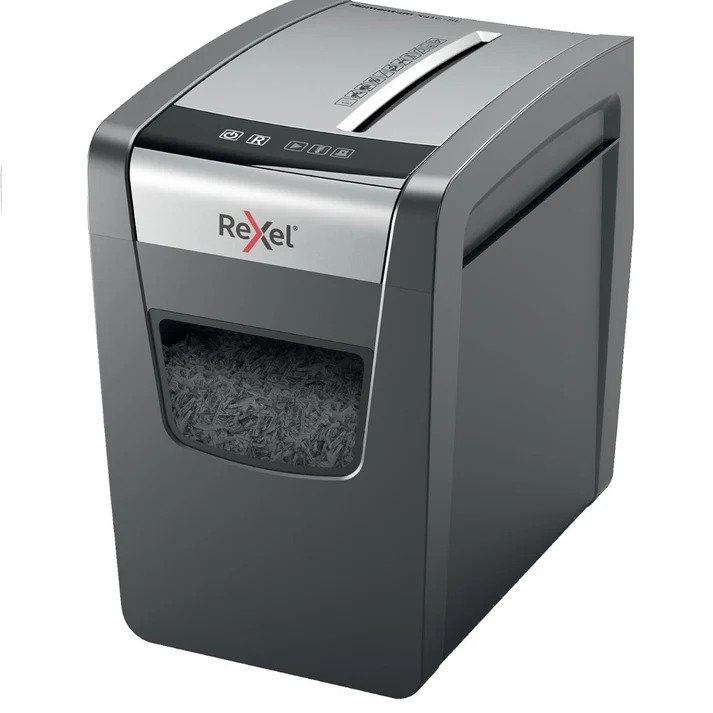
A home paper shredder can be a useful addition to your home office, study area, or household workspace. From old bank statements and bills to receipts and personal paperwork, many documents contain information that should not simply be thrown into a regular waste bin.
However, choosing a shredder for home use can be confusing because there are many different models, cutting types, capacities, and features available.
Do you need a compact machine or a larger one? Is cross-cut enough, or should you choose micro-cut? How many sheets should it handle? Does noise matter? What about automatic feeding?
The right answer depends on how often you shred documents, what information those documents contain, and how much paper you normally process.
This guide explains what to consider when choosing a paper shredder for your home.
Why Should You Have a Paper Shredder at Home?
Many households regularly receive documents containing personal information.
These can include:
- Bank statements
- Utility bills
- Receipts
- Insurance documents
- Tax paperwork
- Medical-related paperwork
- Old applications
- Personal correspondence
- Printed account information
- Documents containing addresses or phone numbers
Simply placing these documents in the household trash can leave the information accessible to others.
A shredder provides a convenient way to destroy unwanted paper before disposal.
For households that regularly handle sensitive paperwork, having a dedicated machine can make document disposal much easier.
What Type of Shredder Is Best for Home Use?
For many households, a cross-cut shredder is a practical choice.
Cross-cut machines cut documents in multiple directions, producing smaller particles than traditional strip-cut machines.
This can make them suitable for destroying documents containing personal and financial information.
Micro-cut models can provide an even higher level of destruction by producing smaller particles.
The best choice depends on the sensitivity of the documents you handle.
Strip-Cut for Basic Documents
Strip-cut machines create long strips of paper.
They may be suitable for documents that contain little or no sensitive information.
However, if your main reason for buying a shredder is to protect personal information, you may prefer a cross-cut or micro-cut model.
Cross-Cut for Everyday Personal Documents
Cross-cut is often a good balance for household use.
It can be appropriate for:
- Bills
- Receipts
- Bank statements
- Personal letters
- Financial paperwork
- Documents containing addresses
Micro-Cut for Highly Sensitive Documents
Micro-cut shredders create very small particles.
They can be considered when you regularly destroy particularly sensitive paperwork or want a higher level of document destruction.
How Much Paper Do You Shred at Home?
Your typical workload should influence the size of the machine you buy.
Think about how much paper you normally need to destroy in one session.
Occasional Use
If you only shred a few documents once or twice a month, a compact machine may be sufficient.
Regular Home Use
If you regularly receive bills, statements, and other documents that need to be destroyed, consider a machine with a larger bin and reasonable sheet capacity.
Home Business or Home Office
If you work from home and regularly handle confidential documents, you may need a more capable model.
Consider:
- Higher sheet capacity
- Larger waste bin
- Longer operating cycle
- Higher security
- Automatic feeding
The goal is to choose a machine that comfortably handles your normal workload without being unnecessarily large.
What Size Paper Shredder Do You Need?
There is no universal “best” size for every home.
Instead, consider three things:
- How much paper you shred
- How much space you have
- How frequently you use the machine
A compact shredder can be easier to store in a bedroom, study, or home office.
A larger machine may be more convenient if you regularly process large stacks of documents.
Before purchasing, check the machine’s physical dimensions.
Make sure it can fit comfortably in the location where you intend to use and store it.
Does Sheet Capacity Matter for Home Use?
Yes, but it should be considered alongside your workload.
Sheet capacity indicates how many sheets a machine can process at once under the manufacturer’s specified conditions.
A small household may not need an extremely high-capacity feed.
However, if you regularly accumulate paperwork, a higher-capacity machine can reduce the amount of time spent feeding documents.
Remember that actual capacity can vary depending on:
- Paper thickness
- Paper size
- Moisture
- Folded sheets
- Staples
- Paper clips
Always follow the manufacturer’s stated limits.
Should You Buy an Automatic-Feed Shredder for Home?
Automatic feeding can be convenient for people who accumulate large quantities of documents.
Instead of feeding individual pages manually, you can load a specified stack into the automatic-feed compartment.
The machine then processes the documents automatically.
This can be useful for:
- Home businesses
- Freelancers
- People working from home
- Large household document cleanouts
- Regular document disposal
However, if you only shred a few pages at a time, automatic feeding may not be necessary.
Toyzinn’s current collection includes automatic-feed models from the Rexel Optimum AutoFeed+ range with different capacities, including models designed to process large batches under specified conditions.
Consider the Shredder’s Noise Level
Noise can be surprisingly important in a home environment.
A loud machine can be disruptive if you use it:
- Near a bedroom
- In a study
- Beside a workstation
- In a shared living area
If noise matters to you, check whether the manufacturer provides a noise rating.
You can also consider where you will operate the machine.
A shredder used occasionally in a separate room may not need the same noise considerations as one used daily next to your desk.
Check the Waste Bin Size
The waste bin collects the shredded paper.
A small bin may need to be emptied frequently.
A larger bin can reduce how often you need to stop and dispose of shredded material.
For occasional home use, a smaller bin may be completely adequate.
For frequent use or a home office, a larger bin can be more convenient.
Some models also have:
- Full-bin indicators
- Viewing windows
- Removable bins
- Easy-empty designs
Check the individual product specifications before purchasing.
What Security Level Do You Need at Home?
The appropriate security level depends on the information you are destroying.
Everyday Paperwork
Documents containing little sensitive information may not require the highest level of destruction.
Personal Information
Bills, statements, receipts, and documents containing personal details generally deserve greater attention.
A cross-cut machine can provide stronger destruction than strip-cut shredding.
Highly Sensitive Information
For particularly sensitive documents, a micro-cut model may be worth considering.
The exact security requirement should depend on the nature of the information and any applicable organizational or regulatory requirements.
Paper Shredder for Home Office Use
Working from home can significantly increase the amount of confidential paperwork in a household.
You may handle:
- Client documents
- Contracts
- Invoices
- Business correspondence
- Internal reports
- Printed customer information
- Financial paperwork
A standard household shredder may not always be sufficient for a busy home office.
When comparing a shredder machine for home-office use, consider:
- Security level
- Sheet capacity
- Operating cycle
- Bin capacity
- Shredding speed
- Noise
- Automatic feeding
- Jam protection
A machine that can handle your workload comfortably can make regular document disposal much easier.
How Long Should a Home Shredder Run?
Shredders have different operating cycles.
Some are designed for short periods of operation followed by cooling.
Others can operate for significantly longer periods.
If you only shred a handful of pages, the duty cycle may not be a major concern.
If you are cleaning out several years of paperwork, however, it becomes much more important.
Before starting a large shredding job, check the manufacturer’s recommended operating and cooling periods.
What Happens If You Overload a Home Shredder?
Putting too many sheets into the feed opening can cause problems.
Potential issues include:
- Paper jams
- Slower operation
- Motor strain
- Automatic shutdown
- Overheating
Always follow the manufacturer’s maximum sheet capacity.
If the machine has overload protection, it may automatically stop or reverse when too much paper is detected.
However, overload protection does not mean you should regularly exceed the recommended capacity.
Can You Shred Staples at Home?
Some home shredders are designed to process documents containing staples.
Others are not.
The same applies to:
- Paper clips
- Credit cards
- CDs
- Envelopes
- Laminated materials
Never assume a machine can shred a particular material.
Check the manufacturer’s specifications first.
How to Use a Home Paper Shredder Safely
A shredder contains moving cutting components, so basic safety precautions are important.
Keep Hands Away From the Feed Opening
Never place fingers near the cutting mechanism.
Keep Loose Clothing Away
Loose clothing, jewelry, hair, and other objects should be kept away from the feed opening.
Do Not Allow Children to Operate the Machine
Keep the machine out of reach of children and follow the manufacturer’s safety recommendations.
Avoid Overloading
Use the recommended sheet capacity.
Use the Correct Materials
Only shred materials approved for your specific model.
Allow the Machine to Cool
Follow the manufacturer’s duty-cycle instructions.
Where Should You Keep a Home Shredder?
The ideal location depends on how frequently you use it.
Possible locations include:
- Home office
- Study
- Filing area
- Utility room
- Storage room
Choose a dry, stable location with sufficient ventilation.
Avoid placing the machine where it can easily be exposed to water or excessive moisture.
If you have children or pets, choose a location where they cannot accidentally operate or interfere with the machine.
How Often Should You Empty the Bin?
There is no universal schedule.
Empty the bin when it reaches the level recommended by the manufacturer.
Allowing shredded paper to accumulate excessively can interfere with normal operation.
A simple routine can help:
- Check the bin before a large shredding session.
- Empty it when required.
- Reinsert it correctly.
- Continue shredding.
Some models include indicators that make this easier.
Home Shredder Maintenance
Regular maintenance can help keep your machine operating correctly.
Depending on the model, this may include:
- Emptying the bin
- Cleaning paper dust
- Lubricating the cutting mechanism
- Checking the feed opening
- Removing paper debris
- Following manufacturer-specific maintenance instructions
Do not use cleaning products or lubricants unless they are suitable for the machine.
Always follow the manufacturer’s instructions.
How to Reduce Paper Shredder Jams
Paper jams are one of the most common problems users experience.
You can reduce the risk by:
- Staying below the sheet limit
- Removing unnecessary staples
- Straightening folded documents
- Avoiding excessively thick materials
- Using the correct feed opening
- Allowing the machine to rest when required
If a jam occurs, use the reverse function if the machine provides one and follow the manufacturer’s instructions.
Never reach into the cutting mechanism.
Is a Cheap Shredder Good Enough for Home?
Sometimes.
If you only need to destroy a few low-sensitivity documents occasionally, a basic model may meet your requirements.
However, if you regularly destroy:
- Financial records
- Personal information
- Business documents
- Large quantities of paperwork
you may benefit from investing in a better-equipped machine.
Instead of focusing only on price, compare:
- Security
- Capacity
- Speed
- Operating cycle
- Bin size
- Maintenance
- Warranty
The best value is the machine that meets your needs reliably.
What Features Should You Prioritize?
For most home users, the following features are worth considering:
Security
Choose the appropriate cutting type for your documents.
Capacity
Make sure the machine can handle your typical workload.
Size
Choose a model that fits your available space.
Bin
A suitable bin reduces the frequency of emptying.
Noise
Important if you work near the machine.
Duty Cycle
Check how long the machine can operate.
Jam Protection
Useful when processing larger quantities.
Automatic Feeding
Helpful for large batches but not essential for everyone.
Home Shredder Buying Checklist
Before purchasing, ask yourself:
- How often will I use the machine?
- What type of documents will I destroy?
- How sensitive is the information?
- How many sheets do I normally shred?
- Do I need automatic feeding?
- How much storage space do I have?
- Is noise important?
- What bin size do I need?
- What operating cycle is appropriate?
- Can it handle staples or other materials I use?
- What maintenance is required?
- What warranty is included?
Answering these questions can quickly narrow down your options.
Recommended Choice by User Type
| User | Suitable Considerations |
| Occasional home user | Compact size, basic capacity, suitable security |
| Family household | Cross-cut security, reasonable bin size |
| Home office | Higher capacity, longer duty cycle |
| Freelancer | Cross-cut or micro-cut, moderate capacity |
| Home business | Higher capacity, automatic feed may help |
| Sensitive documents | Micro-cut and appropriate security rating |
These are general guidelines. Always compare the actual specifications of the individual model.
Final Thoughts
A home paper shredder can make it much easier to dispose of documents containing personal and financial information.
For many households, a cross-cut machine offers a practical combination of document security and everyday usability. Micro-cut models can be considered when a higher level of document destruction is required.
The ideal size depends on your workload and available space. Occasional users can often work comfortably with compact models, while home-office users may benefit from larger bins, higher capacities, longer operating cycles, or automatic feeding.
Before buying a paper shredder machine, consider the type of documents you handle, how frequently you shred, the required security level, sheet capacity, bin size, noise, maintenance, and available storage space.
Most importantly, choose a machine based on your actual requirements rather than simply selecting the biggest or most expensive model.
For households shopping for other products alongside office equipment, including toys near me, Toyzinn offers a wide range of products across different categories.
Frequently Asked Questions
1. What is the best paper shredder for home use?
For many households, a cross-cut paper shredder provides a good balance of security and convenience. Micro-cut models can be considered for highly sensitive documents.
2. Do I need a micro-cut shredder at home?
Not necessarily. The required security level depends on the documents you destroy. A cross-cut model may be sufficient for many personal and financial documents.
3. How many sheets should a home shredder handle?
It depends on your workload. Occasional users may need only a modest capacity, while people who regularly process large quantities of paperwork may benefit from a higher-capacity model.
4. Is an automatic-feed shredder useful for home use?
It can be useful if you regularly shred large batches of documents. For occasional shredding, manual feeding may be sufficient.
5. Can I shred bank statements at home?
Yes. A suitable paper shredder can be used to destroy bank statements and other personal paperwork. Choose an appropriate security level based on the sensitivity of the information.
6. Can a home paper shredder shred staples?
Some models can handle staples, but this varies by machine. Check the manufacturer’s specifications before shredding stapled documents.
7. How often should I empty a home shredder?
Empty the waste bin according to the manufacturer’s recommendations. Do not allow shredded material to accumulate beyond the recommended level.
8. Why does my home shredder keep jamming?
Common causes include exceeding the sheet capacity, feeding thick or folded documents, inserting unapproved materials, or requiring maintenance. Follow the manufacturer’s troubleshooting instructions.
9. How long can a home shredder run?
The operating cycle varies by model. Some machines are designed for short periods of operation, while others can run for longer periods. Always follow the manufacturer’s duty-cycle specifications.