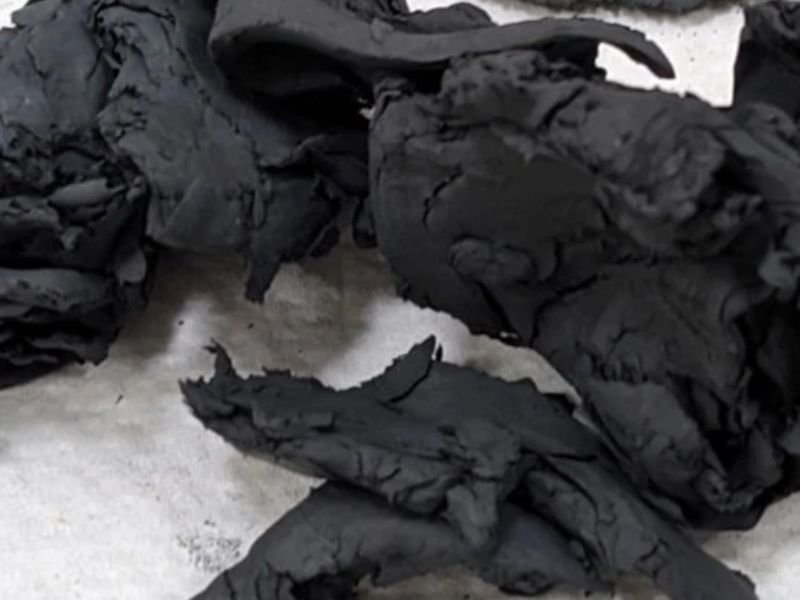
Battery technology is moving toward new materials and production methods that can improve performance and simplify manufacturing. One area receiving growing attention is dry electrode manufacturing. Unlike traditional wet electrode production, dry processing can reduce the need for liquid solvents and related drying steps. A dry electrode processing service can help researchers and battery developers explore this approach without building an entire processing setup from the beginning.
Ampcera supports advanced battery research with materials, engineering services, and processing solutions. Its dry processing capabilities are designed to help teams develop cathode electrodes for solid state and next generation battery research.
What Is Dry Electrode Processing?
Dry electrode processing is a method of producing battery electrodes without using the large amounts of liquid solvent commonly associated with conventional slurry based electrode manufacturing. Instead, active materials, conductive additives, and other components are blended and processed into a suitable electrode structure.
This approach can be useful for research teams studying new battery chemistries. A dry electrode processing service allows teams to access specialized processing capabilities while focusing their own resources on material development, testing, and cell design.
Dry processing can involve several important steps, including:
- Powder preparation
- Material mixing
- High speed blending
- Kneading
- Film formation
- Electrode rolling
- Thickness control
- Material evaluation
Each step can influence the final electrode and needs to be controlled carefully.
Why Is Dry Processing Important for Battery Research?
Traditional electrode production can involve solvent mixing, coating, and long drying stages. These steps require additional equipment, energy, workspace, and process control.
Dry processing offers another route. By working with dry powders, researchers can investigate electrode manufacturing methods that may reduce solvent related processing requirements.
For companies developing solid state batteries, this can be especially relevant because the electrode structure needs to work well with solid electrolyte materials.
Ampcera provides a dry electrode processing service that focuses on cathode composite powder mixing and dry process electrode fabrication. The company states that customers can provide their own cathode and catholyte materials or select materials from Ampcera.
How Does Ampcera Support Dry Electrode Development?
Ampcera combines material expertise with battery processing capabilities. Its approach allows researchers to work with different cathode and electrolyte combinations while exploring dry electrode fabrication.
During processing, powders can be uniformly blended using high speed mixing equipment. The mixture is then converted into a kneaded material that can be rolled into a cathode film template.
This type of dry electrode processing service can be useful when researchers need to test a particular material combination without investing immediately in a complete production system.
The resulting electrode can also be rolled thinner when required, depending on the project and processing requirements.
What Materials Can Be Used?
Dry electrode development depends heavily on the materials selected for the electrode. A typical composite may include an active cathode material, a solid electrolyte, and a conductive component.
The exact formulation depends on the battery chemistry and research objective.
Ampcera works with advanced cathode materials and sulfide solid electrolytes. Its portfolio includes coated cathode materials based on NMC and other battery materials.
Researchers can therefore study different combinations while evaluating how material properties affect electrode formation and cell performance.
What Are the Benefits of Dry Electrode Processing?
Dry processing can offer several potential benefits for battery research and development.
Reduced Solvent Requirements
One important difference is the reduced reliance on liquid solvents during electrode formation. This can simplify certain parts of the manufacturing workflow.
Simplified Processing
Dry powder processing can reduce the number of steps involved in conventional slurry based electrode production. However, proper mixing, kneading, and rolling remain important for consistent results.
Support for Solid State Batteries
Dry electrode fabrication is relevant to solid state battery research because researchers can combine cathode materials with solid electrolyte materials during electrode preparation.
Flexible Research
A dry electrode processing service can give development teams access to specialized equipment and expertise for experimental work, helping them evaluate materials before making larger equipment investments.
Why Mixing Matters in Dry Electrode Manufacturing?
Uniform mixing is an important part of electrode preparation. The active material, electrolyte, and conductive components need to be distributed properly throughout the composite.
Poor mixing can create areas with different material concentrations. This may affect electrode structure and make test results harder to reproduce.
Ampcera uses high speed mixing during its dry processing workflow to help create a uniform powder mixture before kneading and rolling.
Good process control can therefore be important when researchers compare different materials or electrode formulations.
From Powder to Cathode Film
Turning a powder mixture into a usable electrode requires controlled mechanical processing. After mixing, the material can be converted into a kneaded dough like form.
The material can then be rolled into a cathode film template. Ampcera describes its standard dry processed electrode service as producing a film around 1 mm thick, with thinner rolling available upon request.
This dry electrode processing service can support research teams that need experimental cathode films for further cell assembly and testing.
What Should Researchers Consider?
Before starting a dry electrode project, teams should define their material and processing requirements.
Important considerations include:
- Cathode chemistry
- Solid electrolyte selection
- Conductive additive
- Target electrode thickness
- Material ratios
- Required sample quantity
- Processing conditions
- Testing requirements
Clear project requirements can help ensure that the processing method matches the research goal.
How Can Dry Processing Support Scale Up?
Laboratory research and commercial manufacturing have different requirements. A process that works for a small sample may need additional development before it can be transferred to larger production.
Dry processing research can help teams understand material behavior, mixing requirements, film formation, and electrode consistency at an early stage.
A dry electrode processing service can also provide useful experience before a company invests in dedicated pilot or manufacturing equipment.
For battery developers, this approach can help reduce early process development barriers while generating practical information for future scale up.
Frequently Asked Questions
What is a dry electrode processing service?
It is a specialized service that helps researchers prepare battery electrodes using dry powder processing methods rather than conventional solvent based slurry processing.
Does Ampcera process customer supplied materials?
Yes. Ampcera states that customers can provide their own cathode and catholyte materials or select materials offered by the company for its dry processing service.
Can the electrode be made thinner?
Ampcera states that its standard cathode film template is approximately 1 mm thick and that thinner films can be rolled upon request, depending on the project.
Is dry processing useful for solid state batteries?
Yes. Dry electrode methods can be relevant to solid state battery research because cathode composites can incorporate solid electrolyte materials during electrode preparation.
The Role of Ampcera in Battery Innovation
Ampcera provides more than individual battery materials. Its broader portfolio includes sulfide solid electrolytes, coated cathode materials, electrolyte film processing, electrode services, and equipment for battery research.
This combination can help researchers connect material selection with electrode development and cell testing.
The company’s dry processing capabilities are particularly relevant for teams investigating new electrode structures and solid state battery designs.
Conclusion
Dry electrode manufacturing is an important area of battery process research. It offers an alternative to conventional solvent based electrode production and gives researchers another way to study advanced electrode formulations.
For teams exploring this technology, a dry electrode processing service can provide access to specialized equipment and processing knowledge without requiring an immediate investment in a complete manufacturing line.
Ampcera supports this work through dry processed cathode electrodes, advanced battery materials, and related development services. Its focus on solid state battery technology, material engineering, and practical processing helps researchers explore new approaches to next generation energy storage.
As battery technologies continue to develop, improved electrode processing methods will remain an important part of the journey from laboratory research to practical cell development.