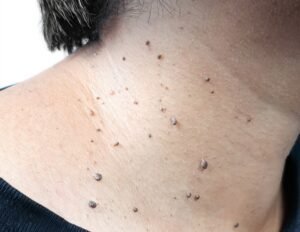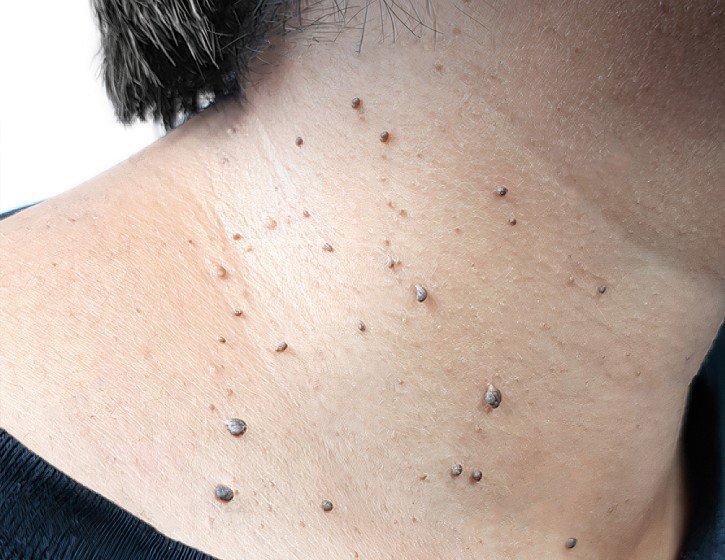
Skin tags are small, soft growths that commonly develop in areas where the skin folds or experiences friction. They often appear around the neck, underarms, eyelids, groin, and other parts of the body. Although skin tags are generally harmless, some people choose to have them removed because they catch on clothing, become irritated by jewellery, or affect their confidence about their appearance. Before removal is considered, understanding the size, shape, colour, and location of the growth is an important part of the consultation process.
At Bodyvie Clinic, a consultation for Skin Tag Removal in London can help establish whether a growth appears consistent with a skin tag and which treatment approach may be appropriate. Assessment is not based on size alone. A practitioner also considers how the growth is attached to the skin, whether its appearance has changed, and whether its location requires particular care.
Understanding these factors helps patients know what to expect before treatment and why an individual assessment is valuable. It also helps distinguish a typical skin tag from other skin growths that may require a different approach.
Why Is Skin Tag Assessment Important Before Removal?
Skin growths can look similar despite having different causes and characteristics. While many skin tags have a recognisable appearance, not every small or raised growth is necessarily a skin tag. A consultation allows a qualified practitioner to examine the area and determine whether the appearance is suitable for routine removal or whether further assessment is needed.
The consultation also provides an opportunity to discuss the patient’s concerns and desired outcome. For example, someone with a small skin tag on the neck may have different treatment considerations from someone with several growths around the eyelids.
A structured assessment helps establish the nature of the growth, its dimensions, and its relationship to the surrounding skin. These details support a personalised treatment discussion rather than relying on a single removal method for every patient.
How Is Skin Tag Size Evaluated During Consultation?
Size is one of the first characteristics considered during an assessment. Skin tags vary considerably, ranging from tiny, barely noticeable growths to larger, more prominent projections.
A practitioner examines the growth to understand its approximate width, height, and overall prominence. The visible dimensions can help inform the discussion about removal techniques and the level of precision required.
Small Skin Tags
Small skin tags may sit close to the skin’s surface and have a narrow attachment. They can be difficult to notice unless the area is examined closely, particularly when they develop in skin folds.
Although their size may make them appear straightforward to treat, their exact location remains important. A small growth near the eyelid, for instance, requires different considerations from one on the upper arm.
Medium-Sized Skin Tags
Medium-sized growths are often easier to identify because they project more clearly from the skin. During consultation, the practitioner considers their shape, attachment, and position to understand how they can be approached.
The assessment may also establish whether a patient has one isolated growth or several skin tags within the same area. This information helps clarify the treatment plan and the practical arrangements for an appointment.
Larger or More Prominent Skin Tags
Larger skin tags may have a wider base or extend further away from the skin. Their structure can influence which removal approach is suitable, so the practitioner needs to assess the attachment as well as the visible portion.
A larger growth should not automatically be assumed to be a skin tag. If its appearance is unusual or the diagnosis is uncertain, further clinical assessment may be recommended before any removal is planned.
How Does the Appearance of a Skin Tag Influence Assessment?
In addition to size, the overall appearance of a growth provides useful information. The practitioner examines several visible features to determine whether it resembles a typical skin tag.
Shape and Structure
Skin tags commonly appear as soft, small projections that may be attached to the skin by a narrow stalk or a broader base. Some are relatively flat, while others hang away from the surrounding surface.
The practitioner considers whether the shape is consistent with a skin tag and whether its attachment can be clearly identified. A growth that has an unusual outline or structure may need closer examination before treatment is discussed.
Colour and Surface Texture
Many skin tags are similar in colour to the surrounding skin, although some may appear slightly darker. Their surfaces are often smooth, and their texture is usually soft.
Colour differences can occur for various reasons, but a markedly changing colour or an irregular appearance should not simply be attributed to a skin tag without assessment. The practitioner may ask when the growth first appeared and whether its colour or surface has changed over time.
Changes in Appearance
A patient’s observations can contribute valuable information during consultation. The practitioner may ask whether the growth has increased in size, changed shape, developed an unusual surface, or become different from its previous appearance.
A growth that changes noticeably, develops persistent bleeding, or becomes persistently sore should be assessed medically rather than assumed to be a routine skin tag. Depending on the findings, further investigation may be appropriate before considering removal.
Why Does the Location of a Skin Tag Matter?
The body area where a skin tag develops can influence both assessment and treatment planning. Skin thickness, movement, surrounding structures, and accessibility differ from one location to another.
Skin Tags on the Neck
The neck is a common location for skin tags because collars, necklaces, and repeated skin contact can create friction. A practitioner examines how prominently the growth projects and whether it sits within a skin fold.
The number of growths and their distribution may also be discussed. Patients can explain whether the tags frequently catch on jewellery or clothing and whether their primary concern is physical irritation or appearance.
Skin Tags Around the Eyelids
Growths close to the eyes require particular attention because of the delicate surrounding skin and nearby eye structures. Their size, attachment, and exact position are important considerations during assessment.
Not every eyelid growth is a skin tag, so a qualified practitioner must establish whether the appearance is consistent with one. The suitability of treatment and the appropriate clinical setting should be considered carefully.
Skin Tags in the Underarms and Other Folds
Skin tags in the underarms, groin, or other skin folds may experience frequent rubbing from clothing or movement. During consultation, the practitioner assesses the growth’s dimensions and attachment while considering the surrounding skin.
The patient can also explain whether the area becomes irritated during exercise, grooming, or everyday activities. These details help place the treatment request in context and support a more individualised discussion.
What Questions May Be Asked During a Skin Tag Consultation?
A consultation usually involves more than a visual examination. Information about the growth’s history helps the practitioner understand whether it has the characteristics of a typical skin tag.
Questions may include:
- When did you first notice the growth?
- Has it changed in size, shape, or colour?
- Has it become irritated or started bleeding?
- Is it a single growth or one of several?
- Where is it located, and does it catch on clothing or jewellery?
- Have you previously had similar growths assessed or removed?
- What would you like to achieve through treatment?
These questions help establish the patient’s concerns and identify features that may require additional attention. They also give patients an opportunity to discuss their expectations and ask questions about the assessment and available options.
How Is the Appropriate Skin Tag Removal Method Considered?
Once the growth has been assessed, the practitioner can discuss whether removal is appropriate and which method may be suitable. The choice depends on the clinical assessment, the growth’s size and attachment, its location, and whether the diagnosis is sufficiently clear.
Different clinical removal techniques may be appropriate for different skin growths. However, no single method is suitable for every patient or every location. The practitioner should explain the proposed approach in relation to the specific growth rather than making a recommendation based only on its dimensions.
If the appearance is atypical or the diagnosis remains uncertain, the priority is to establish what the growth is before proceeding. Further medical assessment or examination of a tissue sample may be necessary in selected cases.
Patients should also understand that removing a growth for cosmetic reasons is different from investigating a lesion that may need a medical diagnosis. A consultation helps clarify which situation applies and what the next steps should be.
What Should Patients Expect From Skin Tag Treatment in London?
Patients considering Skin Tag Treatment London services should expect an assessment that takes their individual needs into account. The consultation provides an opportunity to discuss the growth, understand the recommended approach, and establish whether treatment is appropriate.
Before proceeding, patients should feel comfortable asking about the proposed technique, preparation, aftercare, expected healing, and any follow-up arrangements. The practitioner should explain what the treatment involves in clear language and allow time for questions.
The consultation is also an opportunity to discuss the number of skin tags being considered for removal. Several growths may require a different appointment plan from a single small tag, depending on their locations and characteristics.
Choosing a suitable Skin Tag Removal Clinic London involves considering the qualifications of the practitioner, the quality of the assessment, and whether the clinic can appropriately evaluate uncertain skin growths. A thorough consultation should prioritise accurate identification and an individualised treatment plan.
How Can Patients Prepare for Their Consultation?
Preparation can help make the appointment more informative. Patients do not generally need complicated preparations for an initial assessment, but a few practical steps can be useful.
First, note when the growth appeared and whether it has changed. If its size or appearance has varied over time, describing those changes can help the practitioner understand its history.
Second, identify the main reason for seeking removal. Some patients are concerned about appearance, while others experience repeated friction or irritation. Explaining these concerns helps guide the discussion.
Third, mention any previous assessment or treatment of the same growth. If a healthcare professional has already examined it, sharing the relevant information may help avoid confusion.
Finally, avoid attempting to cut, tie off, or remove the growth at home before the appointment. Self-removal can cause bleeding, infection, or skin injury, and an incorrectly identified lesion may need medical evaluation instead.
Conclusion
Assessing skin tag size and appearance is an essential part of planning appropriate treatment. During consultation, a practitioner considers the growth’s dimensions, shape, colour, texture, attachment, location, and history of change. These features help determine whether it appears consistent with a typical skin tag and whether removal is suitable.
For patients exploring Skin Tag Removal in London, a personalised consultation provides an opportunity to understand the available options and discuss the most appropriate next steps. The assessment should consider the individual growth rather than relying on size alone, particularly when it is located near delicate areas or has an unusual appearance.
At Bodyvie Clinic, patients can use the consultation process to discuss their concerns, ask questions, and understand the factors that may influence treatment planning. Seeking an appropriate assessment before removal helps ensure that the focus remains on identifying the growth correctly and selecting a suitable approach for the individual.
Frequently Asked Questions
1. Why is skin tag size assessed before removal?
Size helps the practitioner understand the growth’s dimensions, prominence, and attachment to the skin. These characteristics contribute to deciding whether removal is appropriate and which technique may be suitable.
2. What does a typical skin tag look like?
A typical skin tag is usually a small, soft growth that may be attached by a narrow stalk or a broader base. It is often similar in colour to the surrounding skin, although appearances vary. A practitioner should assess uncertain or unusual growths rather than assuming they are skin tags.
3. Can small skin tags be assessed during a consultation?
Yes. Small growths can be examined during consultation, with attention given to their structure, location, and appearance. Their small size does not remove the need to establish whether they are actually skin tags.
4. Does skin tag location affect the removal plan?
Yes. The location can influence the assessment and choice of treatment. Growths near the eyelids, for example, require particular care because of the delicate surrounding structures.
5. What happens if a skin growth looks unusual?
If a growth has an unusual shape, changing colour, unexplained bleeding, or other atypical features, the practitioner may recommend further medical assessment before removal. Establishing the nature of the growth is important before proceeding.
6. Should I describe changes in my skin tag during consultation?
Yes. Information about changes in size, shape, colour, or symptoms can help the practitioner assess the growth. It is useful to explain when the change began and whether it has continued.
7. Can several skin tags be assessed at the same appointment?
Several growths can often be discussed during the same consultation. The practitioner will assess each one as needed and explain whether they can be addressed within the same treatment plan.
8. How do I choose a skin tag removal clinic in London?
Look for a clinic that provides an appropriate clinical assessment, uses suitably qualified practitioners, explains treatment options clearly, and recognises when a growth requires further investigation. The ability to assess the growth accurately is an important part of choosing a suitable provider.
9. Can I remove a skin tag at home before my consultation?
It is best not to attempt self-removal. Cutting or tying off a growth can cause injury or bleeding, and the growth may not be a skin tag. A qualified practitioner can assess it and discuss appropriate options.
10. What should I ask during a skin tag removal consultation?
Ask whether the growth appears to be a skin tag, which removal method is recommended, why it is suitable for its location, what aftercare is required, and whether follow-up is necessary. You can also ask about the expected healing process and the overall treatment plan.