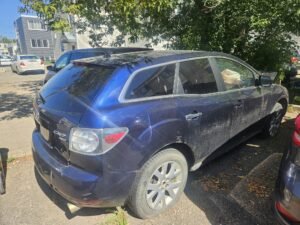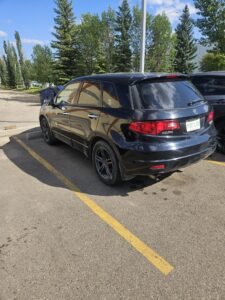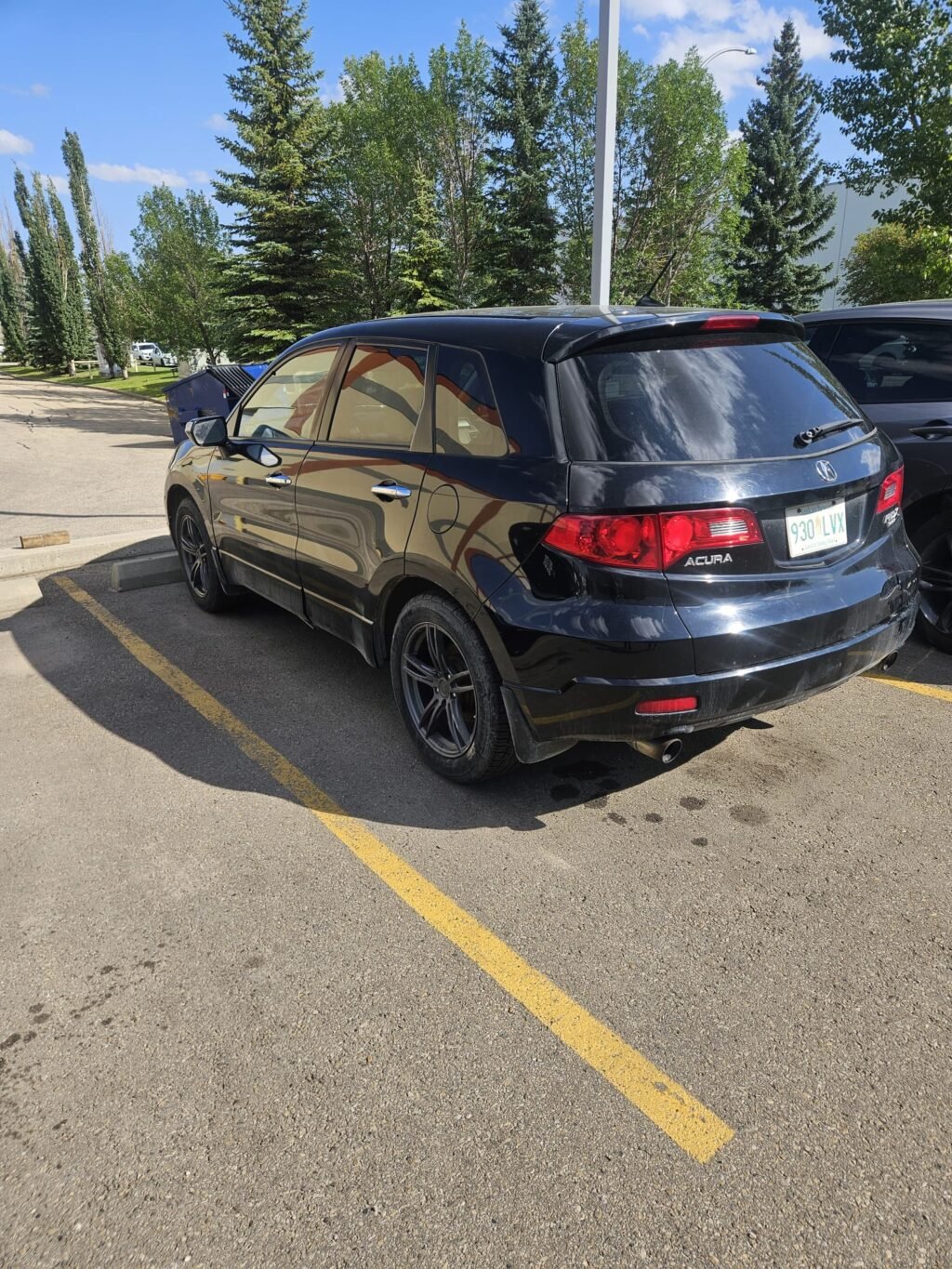
Moving from Calgary to another city can be exciting, but leaving an old vehicle behind can create an unexpected problem. Maybe you moved for work, family, school, or a lifestyle change. The vehicle you once depended on may now be sitting in a driveway, garage, parking lot, or storage area in Calgary.
The obvious question is: What should you do with an old car after moving from Calgary to another city?
You have several options. You can transport it to your new city, sell it privately, trade it in, store it temporarily, or contact a local cash car buyer. The right choice depends on the vehicle’s condition, its value, transportation costs, and how much effort you are willing to put into selling it.
The important thing is not to let an unwanted vehicle become an expensive problem.
First, Decide Whether the Car Is Worth Moving
Before arranging transportation, calculate what the vehicle is realistically worth.
This sounds simple, but people often make the mistake of thinking about what they originally paid rather than what the car is worth today.
An older vehicle may have accumulated high mileage, cosmetic damage, rust, mechanical problems, or an outdated interior. If it has been sitting unused for months, there may also be battery, tire, brake, or fluid-related issues.
Now compare its realistic value with the cost of moving it.
For example, imagine you own an older SUV in Calgary that could reasonably sell for $4,000, but transporting it to your new city costs $1,500. If the vehicle also needs $1,000 in repairs before you can confidently drive it, moving it may not make financial sense.
This is why the first question should be:
“Will keeping this car actually save me money?”
Not:
“How much did I pay for it?”
Option 1: Take the Vehicle With You
If the vehicle is reliable, useful, and worth keeping, taking it to your new city may be the easiest solution.
You can drive it yourself if the distance and vehicle condition make that practical. For a long-distance move, however, you may need to consider fuel, accommodation, mileage, road conditions, and time away from work.
Professional vehicle transportation is another option.
Before choosing transportation, consider the vehicle’s age and mechanical condition. Paying to transport a car with a failing transmission or serious engine problem may simply move the same problem from Calgary to your new driveway.
Also think about your new location. A large SUV that made sense for Calgary winters may not be as practical after moving somewhere with different transportation needs.
Option 2: Sell the Car Before Moving
If you haven’t moved yet, selling the vehicle before leaving Calgary can be one of the simplest ways to reduce the number of things you need to deal with.
Selling before the move means you don’t have to arrange transportation, find parking at your new home, or deal with an unwanted vehicle from another city.
You can sell through a private listing, dealership, trade-in, or cash car buyer.
A private sale may potentially produce a higher price, but it usually requires more work. You may need to create advertisements, respond to messages, schedule appointments, accommodate test drives, negotiate, and deal with buyers who change their minds.
If you’re short on time, cash for cars Calgary services can provide another option for selling an unwanted vehicle locally.
Option 3: Sell the Car After Moving
Sometimes you have already moved before realizing the vehicle is no longer worth keeping.
This situation is surprisingly common.
Perhaps you left the car with a family member. Maybe it is sitting at your old Calgary home, parked in a garage, or sitting unused at a friend’s property.
Selling it after moving is still possible, but you need to think about access.
Can someone meet the buyer?
Does the vehicle start?
Are the keys available?
Is the ownership paperwork accessible?
Can the vehicle be towed if it doesn’t run?
These questions become especially important when you are no longer physically present in Calgary.
If someone you trust can help coordinate access, you may still be able to arrange a sale without returning to Calgary yourself.
Option 4: Consider a Cash Car Buyer
An old vehicle doesn’t necessarily need to be perfect before you sell it.
This matters when your car has problems that make a private sale difficult.
For example, perhaps your old Calgary vehicle has:
- A dead battery
- Engine problems
- Transmission failure
- Significant rust
- Hail damage
- High mileage
- Accident damage
- Worn tires
- Brake problems
- A failed inspection
- Been sitting unused for a long time
Trying to repair everything before selling can become expensive quickly.
A cash car buyer may evaluate the vehicle based on its overall condition and arrange towing when applicable. This can make the process more convenient when you’re trying to finalize a move and don’t want to spend weeks preparing an older vehicle for a private sale.
The key is to provide accurate information about the vehicle rather than trying to hide problems.
Don’t Spend Thousands Fixing a Car You Are Already Leaving Behind
One of the biggest mistakes people make after deciding to move is continuing to invest money into a vehicle they no longer want.
Suppose your 14-year-old car needs:
- $1,200 in suspension work
- $900 in tires
- $700 in brakes
- $2,500 in transmission repairs
You might think fixing everything will allow you to sell it for more.
Sometimes it will.
But sometimes you could spend $5,300 and only increase the vehicle’s selling value by $2,000 or $3,000.
Before approving major repairs, get a realistic idea of what the vehicle is worth as-is.
A professional inspection or repair estimate can help you understand the numbers. You can then compare the likely increase in selling price against the cost of repairs.
What If the Car Is Still Financed?
Moving does not eliminate an outstanding auto loan.
If you still owe money on the vehicle, find out exactly how much remains on the loan and whether there is a lien registered against the vehicle.
This is particularly important before accepting an offer.
Your outstanding loan balance and the vehicle’s market value are two different numbers. If you owe more than the vehicle is worth, you have negative equity.
For example, if the vehicle is worth $8,000 but your remaining loan balance is $11,000, selling it does not automatically eliminate the $3,000 difference.
Contact your lender and understand the payoff process before arranging the sale.
Don’t Forget the Paperwork
A move can make paperwork surprisingly difficult to locate.
Before selling your old vehicle, gather whatever relevant documentation you have, including ownership documents, identification information, maintenance records, keys, and loan information if applicable.
Keep the vehicle identification number accessible as well.
If the vehicle is registered, insured, financed, or stored under circumstances that have changed since your move, make sure you understand your current obligations rather than simply abandoning the vehicle.
If you are uncertain about Alberta’s current registration or ownership requirements, check with an Alberta registry agent or the appropriate provincial authority.
What About Leaving the Car With a Friend?
This can work as a short-term solution, but it shouldn’t become a permanent one.
Leaving an old vehicle with someone may seem convenient when you’re rushing to move. Six months later, however, the vehicle may still be sitting there.
Meanwhile, the battery can die, tires can lose pressure, brakes can deteriorate, and the vehicle can become increasingly difficult to move.
If you know you don’t want the vehicle, establish a clear plan.
Give yourself a deadline.
For example:
“I’ll decide within the next two weeks whether I’m selling, transporting, or disposing of the vehicle.”
A specific deadline prevents the old car from becoming someone else’s long-term responsibility.
What If the Car Has Been Sitting for Months?
Don’t assume that a car is ready to drive simply because it ran when you parked it.
Long periods of inactivity can create problems.
The battery may be completely discharged. Tires may develop flat spots or lose pressure. Brake components may corrode. Fluids can deteriorate, and pests may even build nests in certain areas of the vehicle.
Before driving a long distance, have the vehicle checked if it has been sitting for an extended period.
If it is unsafe or unreliable, don’t take unnecessary risks just to move it to your new city.
A tow or vehicle transport may be safer than attempting a long drive.
How to Choose the Right Option
A simple comparison can help.
Take it with you if the car is reliable, useful, and worth the transportation cost.
Sell privately if you have time and the vehicle is attractive to individual buyers.
Trade it in if you’re purchasing another vehicle and want convenience.
Sell for cash if you want a straightforward solution, especially when the vehicle is older, damaged, unwanted, or difficult to sell privately.
Store it temporarily only when you have a genuine short-term reason to keep it.
The worst option is usually doing nothing indefinitely.
Final Thoughts
Moving away from Calgary doesn’t mean your old vehicle has to move with you.
Before paying for transportation or expensive repairs, look at the vehicle objectively. Consider its current value, condition, mileage, repair requirements, loan balance, and the cost of getting it to your new location.
If the numbers don’t make sense, selling it before or after your move may be the more practical solution.
For Calgary residents dealing with an unwanted older vehicle, cash for cars Calgary services can be worth considering when convenience is more important than spending weeks preparing a vehicle for a private sale.
The best decision isn’t necessarily the one that gets you the highest theoretical price. It’s the one that makes financial sense, fits your timeline, and allows you to move forward without carrying an unnecessary vehicle problem into your next chapter.