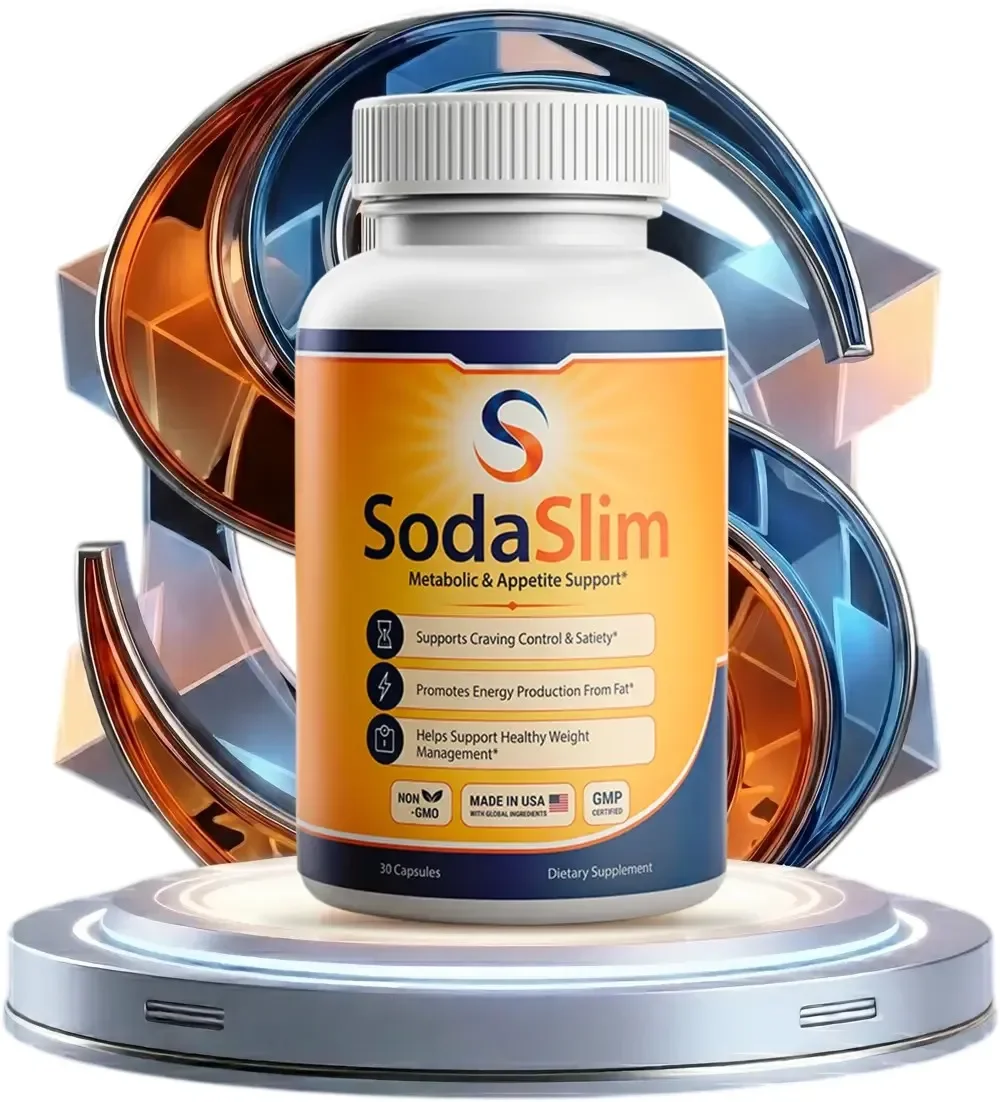
Introduction: What Is the Soda Slim Baking Soda Trick?
The baking soda trick for weight loss has attracted attention among people looking for simple ways to manage their weight at home. Social media posts, online videos, and wellness discussions often describe mixing baking soda with water or other everyday ingredients as a possible shortcut for supporting weight loss. Soda Slim is a name associated with this topic, making it worth exploring what the approach involves and what consumers should understand before trying it.
Many people are interested in weight management because they want to feel more comfortable, improve their fitness, or build healthier daily habits. However, losing excess weight can be challenging. Busy schedules, food preferences, inconsistent sleep, stress, and limited opportunities for physical activity can all influence progress. As a result, simple remedies and easy-to-follow routines frequently attract attention.
The important question is whether the Soda Slim baking soda trick can genuinely help people lose body fat or whether its popularity comes mainly from online claims.
Baking soda, scientifically known as sodium bicarbonate, has several established uses. However, its ability to neutralize acid does not mean that it automatically increases fat burning or causes weight loss. There is currently insufficient reliable clinical evidence to establish baking soda as an effective weight-loss treatment.
This article examines the Soda Slim concept, explains what baking soda does, discusses potential safety concerns, and outlines practical alternatives for people who want to manage their weight. It also highlights what to check before purchasing any weight-management program or supplement associated with this trend.
What Is Soda Slim?
Soda Slim is a name used in connection with the baking soda weight-loss trick. Before purchasing or using anything advertised under this name, consumers should establish exactly what is being offered.
For example, the name might appear in discussions about a homemade baking soda mixture, a weight-management routine, or a separately marketed product. These are not necessarily the same thing.
Without verified information about Soda Slim’s official ingredients, manufacturer, formulation, and clinical research, it would be inappropriate to claim that it contains specific active ingredients or produces particular results.
Consumers should therefore distinguish between three important elements:
- The baking soda trick: A general home-remedy concept involving sodium bicarbonate.
- The Soda Slim name: A name associated with the weight-loss topic that requires independent verification before making product-specific claims.
- Evidence-based weight management: A broader approach involving sustainable eating habits, physical activity, sleep, and appropriate medical guidance.
Understanding these differences can help readers evaluate online advertisements more carefully.
If a website offers a Soda Slim program or supplement, review its ingredient list, directions, manufacturer information, refund policy, and available scientific evidence before deciding whether to purchase it.
What Is the Baking Soda Trick for Weight Loss?
The baking soda trick generally refers to consuming sodium bicarbonate dissolved in water, sometimes alongside ingredients such as lemon juice. Different online versions may recommend different combinations, quantities, and schedules.
However, there is no single standardized baking soda recipe for weight loss that has been clinically established as safe and effective.
Baking soda is an alkaline substance commonly used in cooking. It can react with acids, which is why it is used in baking and certain other applications. In medical settings, sodium bicarbonate also has specific uses under appropriate guidance.
These properties sometimes lead to claims that drinking baking soda can improve metabolism, balance the body’s acidity, eliminate toxins, or accelerate fat loss.
Those conclusions do not follow from its basic chemistry.
The human body already regulates its acid-base balance through complex processes involving the lungs, kidneys, and other systems. Drinking an alkaline mixture does not provide a reliable way to change these systems for weight-loss purposes.
Similarly, a temporary change in stomach acidity does not demonstrate that the body is burning more stored fat.
The baking soda trick should therefore be viewed as a popular wellness claim rather than an established weight-loss method.
Does Soda Slim Actually Work for Weight Loss?
Whether Soda Slim works depends partly on what the name refers to and what the actual program or formulation contains. Without verified product details and relevant clinical trials, its specific effectiveness cannot be established.
The broader question of whether baking soda alone causes weight loss has a clearer answer: there is insufficient evidence to recommend it as a weight-loss treatment.
1. Baking Soda and Fat Burning
Body fat is used for energy when the body’s energy needs and intake support that process. Over time, weight loss generally requires a sustainable reduction in the calories consumed relative to the calories used.
Baking soda has not been established as a substance that directly breaks down stored body fat in humans.
Some people may report losing weight after changing their morning routine or following a homemade drink trend. However, an individual experience does not prove that baking soda caused the change.
Other factors, such as eating smaller portions, drinking fewer sugary beverages, increasing activity, or changing meal timing, could explain the results.
2. Baking Soda and Metabolism
Metabolism describes the chemical processes that allow the body to maintain its functions and use energy.
Online claims sometimes suggest that baking soda activates metabolism or helps the body burn calories faster. These claims should not be treated as established facts.
Research involving sodium bicarbonate and athletic performance addresses a different question. Under certain circumstances, sodium bicarbonate may help some athletes perform during short, intense exercise. That limited use does not demonstrate that drinking baking soda increases everyday calorie expenditure or produces meaningful fat loss.
3. Baking Soda and Belly Fat
Another common claim is that the baking soda trick specifically reduces belly fat.
No reliable evidence establishes that consuming baking soda selectively removes fat from the abdomen.
The body determines where fat is stored and lost through a combination of genetics, hormones, overall energy balance, and other individual factors. A drink cannot reliably target fat from one specific body area.
People may notice changes in waist measurements as their overall body composition changes, but that is different from proving a special belly-fat effect.
4. Baking Soda and Water Weight
Body weight can fluctuate because of fluid balance, digestive contents, hormonal changes, and other factors.
A change on the weighing scale does not always represent a change in body fat.
In fact, sodium bicarbonate contains a substantial amount of sodium. Excessive intake can contribute to fluid retention and may increase body weight in some circumstances rather than help reduce it.
For these reasons, scale changes following a home remedy should not be interpreted as proof that the remedy burns fat.
What Does Scientific Evidence Say About Baking Soda?
Sodium bicarbonate has legitimate scientific and medical applications, but those applications should not be confused with weight management.
The National Institutes of Health Office of Dietary Supplements discusses sodium bicarbonate in the context of exercise and athletic performance. It notes that it may provide a modest benefit for some forms of intense exercise, while also highlighting potential gastrointestinal problems and its high sodium content.
This evidence does not establish baking soda as an effective weight-loss ingredient.
Similarly, established guidance from the National Institute of Diabetes and Digestive and Kidney Diseases emphasizes sustainable eating patterns, physical activity, behavioral support, and long-term planning when addressing excess weight.
These approaches are supported by a substantially stronger evidence base than the baking soda trick.
Readers interested in the underlying research can consult:
- NIH Office of Dietary Supplements: Exercise and Athletic Performance
- NIDDK: Choosing a Safe and Successful Weight-Loss Program
- NIDDK: Eating and Physical Activity to Lose or Maintain Weight
These resources can help consumers distinguish established health recommendations from marketing claims that require stronger evidence.
Potential Benefits and Limitations of the Soda Slim Approach
It is useful to separate possible benefits of developing a daily routine from claims about the baking soda ingredient itself.
Potential practical benefits
A person exploring a weight-management routine may become more conscious of daily habits. For example, someone who begins paying attention to breakfast, hydration, meal portions, and activity may make changes that support healthier weight management.
However, these benefits would come from the habits themselves rather than from proven fat-burning properties of baking soda.
A structured program may also encourage people to track their progress and establish achievable goals, provided its advice is safe and realistic.
Important limitations
The baking soda trick has several limitations:
- It has not been established as an effective standalone weight-loss treatment.
- There is no standardized, clinically validated weight-loss recipe.
- Results cannot be predicted from online testimonials.
- Baking soda may cause side effects and provides a substantial amount of sodium.
- Regular consumption may be inappropriate for people with certain medical conditions or medication regimens.
- It cannot replace a balanced eating plan or appropriate medical care.
Consumers should be cautious about any advertisement suggesting that a simple drink can deliver substantial fat loss without meaningful changes to daily habits.
Is Baking Soda Safe to Drink for Weight Loss?
Baking soda is a familiar household ingredient, but that does not make it safe to consume regularly for an unproven purpose.
Sodium bicarbonate can cause gastrointestinal symptoms, including nausea, bloating, and vomiting. Its high sodium content is another important consideration.
The NIH Office of Dietary Supplements reports that one teaspoon of baking soda contains approximately 1,260 milligrams of sodium. Actual quantities can vary with measurement, but this illustrates why routine consumption should not be treated casually.
Excessive intake can cause serious disturbances in the body’s electrolyte and acid-base balance.
People with high blood pressure, kidney disease, heart conditions, or other conditions requiring sodium restriction should be particularly careful. Sodium bicarbonate may also interact with medicines or affect how certain drugs are absorbed.
Pregnant or breastfeeding individuals, children, and people taking regular medication should seek appropriate professional advice before using baking soda as a home remedy.
Do not assume that taking a smaller quantity or combining it with lemon juice makes a weight-loss recipe effective or risk-free.
Because there is no established weight-loss benefit to justify routine use, it is safer to avoid drinking baking soda for this purpose unless a qualified healthcare professional has specifically advised its use for a medical reason.
If someone develops severe vomiting, marked weakness, confusion, breathing difficulties, or other concerning symptoms after consuming baking soda, they should seek urgent medical assistance.
Can You Combine Baking Soda With Lemon Juice?
The baking soda and lemon juice combination is frequently discussed online as a homemade weight-loss drink.
When sodium bicarbonate reacts with the citric acid in lemon juice, it produces carbon dioxide, which causes bubbling. This visible reaction can make the mixture appear active or powerful.
However, the reaction itself does not demonstrate that the drink burns body fat.
Lemon juice can contribute flavor and a small amount of nutrients, but adding it to baking soda does not create a clinically proven fat-burning treatment.
The resulting mixture also does not eliminate the sodium-related concerns associated with baking soda.
People who enjoy lemon water can generally include it in their routine if it suits their dietary needs. Drinking plain water or unsweetened lemon water may also be a practical alternative to sugary beverages.
The key distinction is that choosing a low-calorie beverage may help reduce overall calorie intake when it replaces a higher-calorie drink. This is different from claiming that lemon juice and baking soda accelerate metabolism.
There is no need to add baking soda to water to obtain the potential benefits of choosing an unsweetened beverage.
What Should You Check Before Buying Soda Slim?
If Soda Slim is being offered as a commercial supplement, digital program, or other paid weight-management service, it is worth completing a few checks before making a purchase.
1. Confirm the exact offering
Start by identifying whether the seller offers a supplement, a digital program, a recipe, or another service.
Do not assume that all websites using the same name offer an identical product or formulation.
2. Review the ingredients
If the offering is a supplement, look for a complete ingredient list and the amount of each listed ingredient.
Check for warnings, directions, manufacturer details, and information about possible interactions.
Avoid products with undisclosed ingredients or vague descriptions that make it difficult to determine what you would be consuming.
3. Look for relevant clinical research
A credible claim should be supported by research relevant to the actual formulation and intended use.
Studies of a different ingredient, a laboratory experiment, or research involving athletes do not automatically demonstrate that a commercial weight-loss supplement works.
Look for human clinical trials, clearly described methods, meaningful outcomes, and information about study limitations.
If a seller claims that Soda Slim has been clinically tested, look for the published study rather than relying solely on a promotional statement.
4. Examine weight-loss promises
Be cautious of claims promising rapid fat loss, effortless results, or a specific amount of weight reduction within a few days.
The NIDDK identifies unrealistic promises as an important warning sign when evaluating weight-loss programs.
A responsible program should explain what it includes, who it may suit, what its limitations are, and how it supports long-term habits.
5. Check pricing and refund terms
Before ordering, review the total cost, shipping charges, recurring billing terms, cancellation requirements, and refund conditions.
Keep a copy of the purchase confirmation and the seller’s stated policies.
These checks are useful regardless of whether the offering is advertised as a baking soda trick, a supplement, or a broader weight-management program.
Better Ways to Support Healthy Weight Loss
For people who want to reduce excess body weight, practical habits generally offer a more reliable starting point than unproven home remedies.
1. Build balanced meals
A balanced eating pattern can include vegetables, fruit, whole grains, protein-rich foods, and appropriate sources of dietary fat.
Protein sources might include eggs, fish, poultry, beans, lentils, tofu, or yogurt, depending on personal preferences and dietary requirements.
Meals that include protein and fiber-rich foods may help some people feel satisfied for longer, making it easier to manage portions and overall intake.
There is no need to eliminate entire food groups unless there is a specific medical or dietary reason to do so.
2. Pay attention to portion sizes
Portion awareness can help people understand how much they eat without following an unnecessarily restrictive diet.
Try serving meals on a plate, eating at a comfortable pace, and noticing hunger and fullness signals.
If weight loss is appropriate for your health, small and sustainable adjustments may be easier to maintain than drastic short-term restrictions.
3. Replace sugary drinks when possible
Sugary drinks can contribute substantial calories without always providing the same feeling of fullness as solid foods.
Replacing some sugary beverages with water, sparkling water, or unsweetened drinks may help reduce calorie intake.
This is a practical beverage strategy that does not depend on baking soda or a special fat-burning mixture.
4. Increase physical activity gradually
Walking, cycling, swimming, dancing, and other activities can support health and energy expenditure.
Adults are generally encouraged to work toward at least 150 minutes of moderate-intensity aerobic activity each week, alongside muscle-strengthening activities on two or more days, when appropriate for their health and abilities.
People who are currently inactive can begin with manageable sessions and gradually increase their activity.
Anyone with a chronic health condition or concerns about exercise should discuss a suitable plan with a healthcare professional.
5. Get adequate sleep
Sleep is an often-overlooked part of weight management.
Insufficient sleep can affect appetite, energy, mood, and the ability to maintain consistent routines.
Many adults benefit from approximately seven to nine hours of sleep each night, although individual needs vary.
A regular sleep schedule, a comfortable sleeping environment, and reduced late-night screen use may help support better sleep habits.
6. Track progress realistically
Daily weight changes are normal, so avoid interpreting every increase or decrease as a change in body fat.
Consider monitoring longer-term trends, waist measurements when appropriate, activity levels, and progress toward sustainable habits.
A healthcare professional can help determine a suitable target based on age, health history, medications, and other individual factors.
The CDC notes that gradual weight loss is generally more likely to be maintained than rapid weight loss. Progress does not need to be dramatic to be worthwhile.
A Simple Daily Routine for Weight Management
You do not need a baking soda mixture to establish a practical daily routine.
Morning: Start with water or another suitable unsweetened beverage. Eat breakfast if it fits your appetite and schedule, choosing foods that provide useful nutrients.
Afternoon: Build a balanced lunch around vegetables, a protein source, and a suitable portion of whole grains or other carbohydrate-rich foods. Take a short walk if possible.
Evening: Choose a satisfying dinner, pay attention to portions, and make time for movement that suits your fitness level.
Before bed: Aim for a consistent bedtime and reduce habits that interfere with sleep.
This routine is a general example rather than a prescribed diet. People have different nutritional needs, work schedules, medical conditions, and cultural food preferences.
The goal is to develop habits that can be sustained over time instead of relying on a single drink to produce a particular result.
Who Should Avoid Weight-Loss Shortcuts?
People with ongoing medical conditions should be especially cautious about online weight-loss remedies.
Anyone with kidney disease, heart disease, high blood pressure, or a condition requiring sodium restriction should not experiment with regular baking soda consumption without medical advice.
People taking prescription medicines should also check whether a proposed supplement or home remedy could interact with their treatment.
Rapid weight-loss plans may be inappropriate for people with a history of disordered eating, nutritional deficiencies, or other health concerns.
If you are unsure whether you need to lose weight, a healthcare professional can help assess your health and discuss suitable options. Weight management should focus on overall well-being rather than pursuing a particular body shape at any cost.
Soda Slim Review: Final Verdict
The Soda Slim baking soda trick is an interesting example of how a familiar household ingredient can become associated with online weight-loss claims. However, popularity and scientific evidence are not the same thing.
Baking soda has established uses in cooking and certain medical applications, and sodium bicarbonate has been studied for specific forms of athletic performance. Those facts do not establish that drinking it produces meaningful fat loss.
At present, there is insufficient reliable evidence to recommend the baking soda trick as an effective standalone weight-loss method. Regular consumption can also create unnecessary health risks because of its sodium content and potential effects on the body’s electrolyte balance.
If you are considering a commercial offering called Soda Slim, verify its identity, ingredients, evidence, price, and seller policies before purchasing it. Do not assume that a product is effective simply because its name appears in advertisements or online testimonials.
For most people seeking sustainable weight management, a balanced eating pattern, appropriate physical activity, adequate sleep, and realistic goals provide a better-supported starting point. Professional guidance can help determine whether additional treatment is appropriate.
The bottom line: Soda Slim and the baking soda trick should not be treated as proven fat-burning solutions. Make decisions based on credible evidence, prioritize safety, and choose a weight-management approach that supports your long-term health.
Frequently Asked Questions About Soda Slim
1. What is the Soda Slim baking soda trick?
The term refers to a weight-loss concept associated with baking soda, also known as sodium bicarbonate. Online versions may involve mixing it with water or other ingredients. There is no standardized recipe established as a safe and effective weight-loss treatment.
2. Does baking soda help burn belly fat?
There is insufficient reliable clinical evidence that consuming baking soda burns body fat or specifically reduces abdominal fat. Sustainable changes in eating habits, activity, and other lifestyle factors are better-supported approaches to weight management.
3. Can I drink baking soda water every morning for weight loss?
Routine consumption for weight loss is not recommended because the benefit has not been established and baking soda contains substantial sodium. It may also cause digestive symptoms or more serious complications, particularly in susceptible individuals.
4. Does adding lemon juice make the baking soda trick more effective?
No established evidence shows that combining lemon juice with baking soda creates a special fat-burning effect. The ingredients react chemically, but that reaction does not demonstrate weight-loss effectiveness.
5. Is Soda Slim a supplement or a homemade remedy?
The exact offering needs to be verified from a reliable seller or official source. The name alone does not establish whether it refers to a supplement, a digital program, a homemade recipe, or another offering. Check the ingredients and product details before making a purchase.
6. How can I check whether Soda Slim is legitimate?
Confirm the seller’s identity, ingredient information, contact details, total price, refund policy, and scientific evidence. Be cautious of guaranteed results, unrealistic weight-loss promises, and testimonials presented without supporting clinical data.
7. What is a safer alternative to the baking soda trick?
A balanced eating plan, regular activity suited to your abilities, adequate sleep, and sustainable goals are better-supported starting points. A qualified healthcare professional can help you choose an approach that accounts for your medical history and individual needs.
8. How quickly can I lose weight safely?
The appropriate pace varies according to a person’s starting weight, health, and circumstances. Gradual progress is generally easier to maintain than rapid weight loss. A healthcare professional can help establish realistic goals and determine whether weight loss is medically appropriate.
9. Do I need a special drink to lose weight?
No special drink has been established as necessary for weight loss. Water and other suitable unsweetened beverages can support hydration, while overall eating patterns, activity, sleep, and other factors influence long-term weight management.
10. Should I buy Soda Slim for weight loss?
Do not purchase it based solely on the baking soda trend or promises of rapid results. First verify exactly what is being sold, examine its evidence and safety information, and compare the cost with established weight-management options. If the product’s ingredients or claims cannot be verified, consider avoiding it.