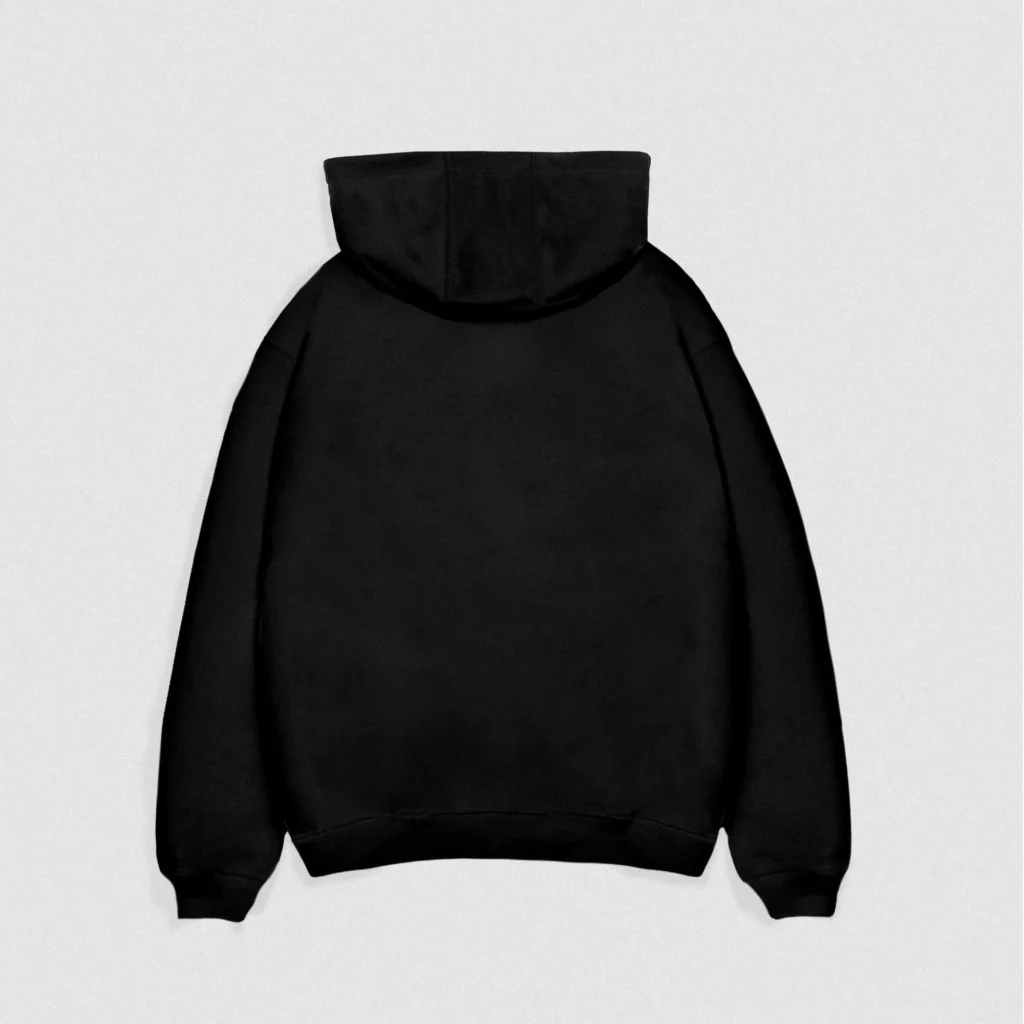
A great hoodie does more than keep you warm. It feels soft against your skin, allows easy movement, and provides the right amount of insulation for your daily activities. However, choosing the right fabric can make a significant difference in comfort, durability, and overall style. Whether you prefer a lightweight layer or a cozy winter essential, understanding the materials behind a Women’s Black Oversized Hoodie can help you find an option that suits your lifestyle and keeps you comfortable throughout the year.
Why Hoodie Fabric Matters for Everyday Comfort
The fabric determines how a hoodie feels, how well it retains heat, and how it performs after repeated washing. Some materials offer excellent softness, while others provide better insulation or moisture management. Therefore, understanding these differences helps you choose a hoodie that matches your needs instead of relying on appearance alone.
For example, a lightweight cotton hoodie works well for mild weather, indoor wear, and relaxed outings. On the other hand, a fleece-lined design offers more warmth when temperatures drop. Your ideal choice depends on the climate, intended use, and personal preference.
Fabric also affects durability. A well-constructed hoodie made from quality fibers can maintain its shape and comfort for years, while a poorly made garment may stretch, shrink, or develop fabric pills after only a few washes.
Cotton: A Natural Choice for Softness and Breathability
Cotton remains a popular hoodie material because it feels comfortable against the skin and allows air to circulate. Its natural fibers make it suitable for everyday activities, including running errands, relaxing at home, and meeting friends.
Another advantage is versatility. Cotton hoodies come in various weights, colors, and designs, making them easy to incorporate into different wardrobes. A black oversized hoodie made from cotton can pair effortlessly with jeans, leggings, joggers, or casual skirts.
However, cotton does not always provide the best performance in cold or wet conditions. It absorbs moisture and dries relatively slowly, which can become uncomfortable during outdoor exercise or unexpected rain.
When Cotton Works Best
Choose cotton when comfort, breathability, and everyday versatility matter most. Medium-weight cotton works well for spring and fall, while heavier cotton provides a more substantial feel during cooler weather.
If you want a hoodie for walking around town or lounging indoors, cotton offers a practical balance. For particularly cold conditions, consider wearing it beneath an insulated jacket rather than relying on it as your only warm layer.
Fleece: A Reliable Option for Cold Weather
Fleece is one of the most useful materials for people who prioritize warmth. Typically made from polyester or polyester blends, fleece features a soft, textured surface that traps pockets of air and helps retain body heat.
Unlike heavy outerwear, fleece hoodies can provide insulation without feeling excessively bulky. They are suitable for chilly morning walks, camping trips, outdoor events, and casual winter activities.
Fleece also dries relatively quickly compared with cotton, making it a practical choice for situations where light moisture or perspiration is possible. However, fleece quality varies, so fabric density and construction deserve attention when shopping.
Choosing Between Lightweight and Heavyweight Fleece
Lightweight fleece works well as a midlayer beneath a winter coat. It provides additional insulation without restricting movement, especially when you are walking or traveling.
Heavyweight fleece is better suited to colder days when you need more warmth. Look for a comfortable fit that leaves enough room for a base layer without making the sleeves or shoulders feel restrictive.
One consideration is that fleece can generate static and may release microplastic fibers during washing. Using a gentle wash cycle and avoiding unnecessary laundering can help reduce wear and extend the garment’s lifespan.
French Terry: Comfort Without Excessive Bulk
French terry is a knitted fabric recognized by its smooth outer surface and small loops on the inside. These loops provide a soft feel and some absorbency without creating the thick, fluffy texture associated with fleece.
This material is especially useful for people who want a hoodie that feels comfortable but not overly warm. It provides more structure than some lightweight jersey fabrics while remaining flexible enough for everyday movement.
French terry often appears in premium casualwear and relaxed streetwear collections. It works particularly well for oversized silhouettes because the fabric can drape naturally without necessarily looking stiff or overly heavy.
Why French Terry Suits Transitional Weather
Spring and fall often bring changing temperatures, making extremely thick hoodies less practical. French terry provides a comfortable middle ground for cool mornings and mild afternoons.
It is also a good option for indoor environments, travel, and casual workouts that do not involve intense sweating. For colder conditions, you can layer it under a wind-resistant jacket to improve overall warmth.
Polyester Blends: Durability and Moisture Management
Polyester is a synthetic fiber valued for its durability, shape retention, and relatively quick drying time. Manufacturers frequently blend it with cotton to combine the softness of natural fibers with the practical benefits of synthetic materials.
A cotton-polyester hoodie can resist excessive wrinkling and may shrink less than a comparable garment made entirely from cotton, depending on the construction and care instructions. These qualities make blended fabrics useful for people who wear their favorite hoodies frequently.
Polyester also appears in performance-oriented hoodies designed for walking, hiking, and other outdoor activities. Some versions include stretch fibers to support freedom of movement.
Understanding the Benefits of Blended Fabrics
The exact fiber ratio affects how a hoodie feels and performs. A cotton-rich blend may feel softer and more breathable, while a polyester-rich blend may dry faster and retain its shape more effectively.
Before purchasing, check the product label instead of assuming all blends behave alike. If warmth is your main priority, look for a brushed interior or fleece construction rather than focusing only on the percentage of polyester.
Wool and Merino Wool: Natural Insulation for Chilly Conditions
Wool offers useful insulation because its fibers can trap air while helping manage moisture. Merino wool, in particular, is valued for its relatively fine fibers and soft feel compared with many traditional wool garments.
Although wool is less common in conventional hoodies than cotton or polyester, wool-blend designs can provide warmth for outdoor activities and cooler climates. They may be particularly appealing to people who want a natural-fiber option with useful temperature-regulating properties.
However, wool garments often cost more and require careful washing. Some people may also find certain wool fabrics irritating, so checking the fiber quality and garment construction is important.
Is Wool Suitable for Everyday Hoodies?
Merino wool blends can work well for travel, hiking, and layering when temperatures fluctuate. They offer warmth without always requiring a thick, heavy garment.
For ordinary casualwear, wool may not be necessary unless you live in a cold climate or specifically prefer its natural insulation. Cotton and fleece generally provide more accessible options for everyday hoodies.
Comparing Popular Hoodie Fabrics
Choosing the right fabric becomes easier when you compare the features that matter most. The table below highlights the typical performance of common hoodie materials.
| Fabric | Warmth | Breathability | Best Use | Main Consideration |
|---|---|---|---|---|
| Cotton | Low to medium | High | Everyday wear and mild weather | Dries slowly when wet |
| Cotton-polyester blend | Medium | Moderate to high | Daily use and casual outings | Performance varies by ratio |
| Lightweight fleece | Medium | Moderate | Layering and cool weather | May produce static |
| Heavyweight fleece | High | Low to moderate | Cold-weather comfort | Can feel bulky |
| French terry | Low to medium | High | Spring, fall, and indoor wear | Limited insulation in severe cold |
| Merino wool blend | Medium to high | Moderate to high | Hiking and cold-weather layering | Usually needs careful care |
These comparisons describe general tendencies rather than guarantees. Fabric weight, knitting method, lining, and garment construction can significantly change a hoodie’s performance.
How Fabric Weight Affects Warmth and Comfort
Fiber type is important, but fabric weight also plays a major role. Two hoodies made from cotton can feel completely different if one uses thin jersey fabric and the other uses dense, heavyweight fleece-backed material.
Lightweight hoodies are easier to carry and more comfortable in warmer conditions. Medium-weight options provide greater versatility, while heavyweight designs generally suit colder weather and people who prefer a substantial feel.
Nevertheless, heavier does not always mean warmer in every situation. A lightweight fleece layer beneath a windproof jacket may provide better practical comfort than a thick cotton hoodie exposed to cold wind and moisture.
When shopping online, check the garment description for terms such as lightweight, midweight, heavyweight, brushed fleece, or thermal lining. If the manufacturer provides fabric weight in grams per square meter (GSM), use it as an additional comparison point, not as the sole measure of warmth.
Finding the Right Fabric for an Oversized Fit
Oversized hoodies provide extra room through the body, shoulders, and sleeves. This relaxed silhouette offers freedom of movement and creates a casual appearance, but fabric choice influences how the garment hangs and feels.
Soft cotton and French terry often create an easy drape, while heavyweight fleece can produce a more structured, substantial shape. A cotton-polyester blend may offer useful shape retention if you want the hoodie to maintain its proportions after regular wear.
A Black Oversized Hoodie can be especially versatile because its neutral color pairs with a wide range of outfits. However, the fit should complement the fabric. Very thick material combined with an extremely loose cut can feel cumbersome, while lightweight material may drape more loosely around the body.
Consider the following practical details before choosing your size:
-
Shoulder construction: Dropped shoulders create a relaxed silhouette without requiring excessive length.
-
Sleeve length: Sleeves should allow movement without repeatedly covering your hands.
-
Body length: Choose a length that works comfortably with your preferred jeans, leggings, or joggers.
-
Interior texture: Brushed fabric can feel cozier against the skin, particularly in cold weather.
-
Layering space: Leave enough room for a T-shirt or thermal top underneath.
These details help you find an oversized hoodie that feels intentional rather than simply too large.
Selecting Hoodie Fabrics for Different Seasons
Your local climate and daily routine should guide your decision. A fabric that feels comfortable during a mild autumn afternoon may not provide enough insulation for a freezing winter morning.
During spring, lightweight cotton and French terry are practical because they offer coverage without excessive heat. In summer, a thin cotton hoodie can provide a useful layer in air-conditioned spaces or during cool evenings.
For fall, medium-weight cotton blends and lightweight fleece offer greater versatility. When winter arrives, heavyweight fleece, thermal-lined constructions, or wool-blend layers become more useful.
If you spend time outdoors, consider more than temperature alone. Wind, rain, and physical activity all influence how warm you feel. A breathable base layer, insulating hoodie, and weather-resistant outer shell generally provide better protection in changing conditions than a hoodie worn by itself.
Caring for Hoodie Fabrics to Preserve Their Softness
Even a high-quality hoodie can lose its comfort if you wash or dry it incorrectly. Following the care label helps protect the fibers, preserve the fit, and maintain the garment’s original texture.
Cotton hoodies may shrink when exposed to excessive heat, particularly if they have not been pre-shrunk. Washing in cool water and using low heat or air-drying can help reduce this risk.
For fleece and polyester blends, turn the garment inside out and use a gentle cycle when appropriate. Avoid excessive heat, which can damage synthetic fibers or affect prints and decorative details.
Wool-blend hoodies usually require more careful handling. Use a suitable wool detergent and follow the label’s instructions to prevent stretching or shrinkage.
Finally, wash hoodies only when needed, remove them promptly from the washing machine, and store them in a clean, dry place. These simple habits can help your favorite pieces remain comfortable for longer.
Conclusion
The best hoodie fabric depends on how much warmth you need, how you plan to wear it, and which textures feel comfortable against your skin. Cotton offers everyday softness and breathability, French terry suits mild weather, and fleece provides dependable insulation for colder days. Polyester blends add durability, while merino wool blends offer another option for outdoor layering. When choosing a Women’s Black Oversized Hoodie, consider fabric weight, construction, fit, and care requirements together. By matching these features to your lifestyle and climate, you can find a hoodie that delivers lasting comfort, practical warmth, and versatile style throughout the year.
Frequently Asked Questions
1. Which fabric is warmest for a hoodie?
Heavyweight fleece is generally one of the warmest common hoodie options because its textured interior traps insulating air. Thermal linings and suitable wool blends can also provide excellent warmth, depending on their construction.
2. Is cotton or polyester better for hoodies?
Neither material is universally better. Cotton offers natural softness and breathability, while polyester tends to dry faster and retain its shape well. Cotton-polyester blends combine some benefits of both fibers.
3. Are oversized hoodies good for winter?
Yes. Oversized hoodies can accommodate thermal tops and other comfortable layers. For winter, choose a heavyweight or fleece-lined design and add a wind-resistant outer jacket when temperatures or weather conditions require additional protection.
4. Which hoodie fabric is best for sensitive skin?
Soft, smooth cotton is a common starting point for people who prefer gentle fabrics. However, individual preferences vary, so check seams, labels, dyes, and interior textures before buying. A soft cotton-rich blend may also feel comfortable.
5. How can I keep my hoodie soft after washing?
Follow the care label, use an appropriate detergent, and avoid excessive heat. Turn printed hoodies inside out, wash similar fabrics together, and air-dry when practical. These habits can help preserve softness, color, and shape.