Coffee has become an essential part of everyday life for millions of Americans. Whether enjoyed before work, during a busy afternoon, or after dinner, coffee offers comfort and energy. With modern brewing machines, preparing a fresh cup has never been easier.
One popular option is single serve coffee, which allows people to prepare one cup without measuring grounds or cleaning traditional brewing equipment. However, this convenience comes with expenses that many consumers overlook.
From environmental waste to higher long-term spending, Single Serve Coffee Packaging can create challenges beyond the price of a coffee pod. Understanding these hidden costs can help consumers make better decisions about their daily coffee habits.
Why Single Serve Coffee Became So Popular
Single serve brewing systems have transformed how people prepare coffee at home and in offices. Instead of brewing an entire pot, users can prepare individual servings within minutes.
These machines appeal to consumers because they offer consistent portions, simple preparation, and minimal cleanup.
For people living alone or households with different coffee preferences, single cup coffee provides flexibility without requiring everyone to drink the same blend.
Another advantage is variety. Consumers can explore different flavors and strengths without purchasing large quantities of one particular coffee.
However, convenience is only one part of the purchasing decision. Packaging materials, production expenses, and disposal requirements also influence the actual cost.
The Environmental Impact of Coffee Pods
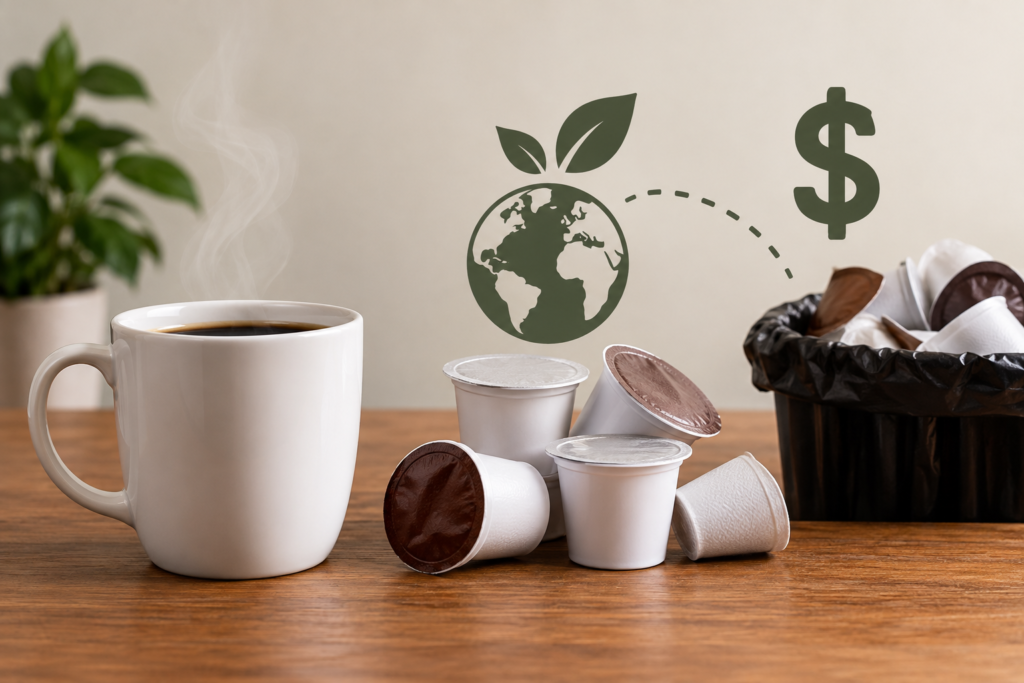
One major concern surrounding Single Serve Coffee Packaging is the amount of waste generated after each cup.
Many traditional coffee pods contain plastic, aluminum, paper filters, or combinations of these materials. Once used, these containers must be discarded or processed through an appropriate recycling system.
Unfortunately, recycling coffee pods is not always straightforward.
Some packaging requires consumers to separate coffee grounds from the container before recycling. Other pods use mixed materials that are difficult for standard recycling facilities to process.
When packaging cannot be recycled locally, it may end up in landfills or waste treatment facilities.
For households that prepare several cups daily, the amount of discarded packaging can accumulate quickly.
Choosing reusable filters or lower-waste brewing methods can help reduce unnecessary waste while maintaining convenient coffee preparation.
How Convenience Increases Coffee Expenses
Single serve coffee may appear affordable when purchased in small quantities. However, the price per serving can be higher than traditional ground coffee.
Individual pods require additional packaging, manufacturing, and transportation processes. These expenses are often reflected in retail prices.
Consumers who drink multiple cups daily may spend considerably more over several months compared with purchasing larger bags of coffee.
For example, buying organic ground coffee and preparing it using a reusable filter can reduce packaging expenses and potentially lower the cost per cup.
Traditional brewing equipment also allows users to control serving sizes and coffee strength.
Comparing prices based on ounces of coffee rather than package prices can reveal which brewing method offers better long-term value.
Does Single Serve Packaging Affect Coffee Freshness?
Packaging plays an important role in preserving coffee quality.
Individual pods are typically sealed to limit exposure to oxygen and moisture. This helps protect the coffee during storage.
However, packaging alone does not guarantee excellent flavor.
Coffee quality also depends on bean selection, roasting methods, grinding, and how long the product has been stored.
Freshly opened coffee grounds can provide excellent flavor when stored properly in airtight containers.
Consumers who enjoy experimenting with brewing strength may prefer traditional ground coffee because it allows greater control over the final drink.
At Witches Brew Coffee, customers can explore coffee selections available in different formats, including ground coffee and single serve options.
Exploring Alternatives to Disposable Coffee Pods
Reducing packaging waste does not necessarily mean sacrificing convenience.
Several brewing alternatives allow coffee lovers to enjoy flavorful drinks while using fewer disposable materials.
Reusable Coffee Filters
Reusable filters are compatible with certain single serve machines and allow consumers to add their preferred ground coffee.
This approach reduces dependence on disposable pods and offers greater flexibility when choosing coffee varieties.
Traditional Ground Coffee
Preparing coffee with a drip machine, French press, or pour-over brewer can reduce individual packaging waste.
These methods also make it easier to adjust coffee strength and serving quantities.
Cold Coffee Preparation
Coffee enthusiasts who enjoy iced coffee blends can prepare larger batches of cold brew and refrigerate them for later use.
This method reduces daily preparation time and allows coffee to be served over ice whenever desired.
Loose Leaf Tea
Coffee drinkers looking for occasional alternatives can also explore premium loose tea.
Using a reusable tea infuser can reduce reliance on individually packaged tea products while offering different flavors and brewing experiences.
Making More Responsible Coffee Choices
Consumers do not need to abandon single serve coffee completely to make more thoughtful purchasing decisions.
Small changes can create meaningful improvements over time.
Choosing recyclable packaging where local facilities accept it, purchasing coffee in larger quantities, and using reusable brewing equipment are practical starting points.
Consumers should also consider how frequently they drink coffee and whether individual servings genuinely provide better value.
A household that prepares several cups each morning may benefit from traditional brewing, while someone who drinks coffee occasionally may find single serve options more practical.
The goal is to balance convenience, quality, affordability, and environmental responsibility.
Conclusion
Single serve coffee has changed everyday brewing by making preparation faster and easier. However, the hidden costs of Single Serve Coffee Packaging deserve attention.
Disposable materials, higher per-cup expenses, and recycling challenges can make convenient brewing less economical and environmentally friendly than it first appears.
By exploring reusable filters, traditional brewing methods, and carefully selected coffee products, consumers can enjoy their favorite drinks while reducing unnecessary waste.
Explore the coffee selections at Witches Brew Coffee to discover brewing options that suit your taste, lifestyle, and daily routine.
Frequently Asked Questions
1. Why is single serve coffee packaging considered wasteful?
Many disposable coffee pods use plastic, aluminum, or mixed materials that can be difficult to recycle through standard household programs.
2. Is single serve coffee more expensive than ground coffee?
It often costs more per cup because individual packaging and manufacturing add expenses. Actual savings depend on product prices and serving sizes.
3. Can reusable coffee pods reduce packaging waste?
Yes. Compatible reusable pods can reduce disposable packaging by allowing consumers to brew coffee using their preferred ground coffee.
4. Does coffee taste better in pods or traditional brewing systems?
Both methods can produce flavorful coffee. Taste depends on coffee quality, freshness, water temperature, and brewing techniques.
5. What is an affordable alternative to disposable coffee pods?
Buying ground coffee in larger quantities and using a reusable filter, drip machine, or French press can lower packaging waste and potentially reduce brewing expenses.