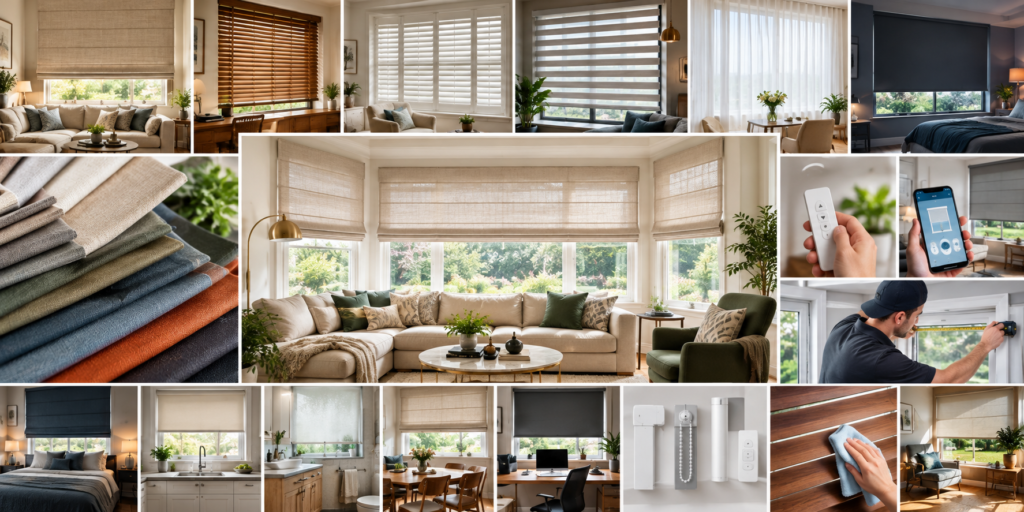
luxury blinds
Windows are the most overlooked feature in many homes. We spend thousands on sofas, flooring and lighting, then leave the glass bare or cover it with something thin and forgettable. Yet the right window dressing can change the way a whole room looks and feels. Rich fabrics, clean tailoring and smart technology lift a space from pleasant to polished. That is exactly what luxury blinds are designed to do, and in this guide we look at what sets them apart, which styles deserve your attention, and how to choose a set that suits your home for years to come.
What Makes a Blind Feel Premium
The word premium gets used loosely, so it helps to know what to look for. A high-end blind is defined by a handful of qualities that you can see and feel the moment it is fitted.
Made to measure precision: Off-the-shelf blinds are cut to standard sizes, which means gaps at the edges, uneven lines and light leaking around the frame. A bespoke blind is built to the exact dimensions of your window, so it sits flush and looks like part of the architecture.
Quality fabrics and materials: Dense weaves, soft textures, genuine wood and sturdy aluminium all feel better in the hand and hang better on the window. Cheap materials crease, sag and fade quickly. Good ones keep their shape and colour.
Smooth, reliable mechanisms: A blind that jams or drops unevenly ruins the effect, however beautiful the fabric. Well-engineered chains, cords and motors operate quietly and consistently.
Professional installation: Even the finest product looks poor if it is fitted crookedly. Expert measuring and fitting is part of what you are paying for.
The Styles That Add Real Impact
Different rooms call for different answers. These are the styles that consistently deliver a refined look.
Roman Blinds:
Roman blinds fold into soft, tailored pleats when raised and fall flat and smooth when lowered. They bring warmth and a touch of traditional elegance, and they work beautifully in living rooms, bedrooms and dining spaces. Choose a heavier fabric such as linen or a textured weave for extra richness, or add a lining for improved light control and insulation.
Wooden Blinds:
Real wood adds natural character that synthetic materials struggle to match. The grain, the warm tones and the slim slats create a calm, upmarket atmosphere. Wooden blinds suit studies, lounges and master bedrooms, and they pair well with both modern and classic interiors. Faux wood is a sensible alternative for kitchens and bathrooms, where moisture could affect natural timber.
Shutter Style Blinds:
Shutter blinds offer the crisp, architectural look of traditional plantation shutters with simple, practical operation. The wide louvres give you precise control over light and privacy, and the finish suits period properties and contemporary homes alike.
Day and Night Blinds:
Day and night blinds combine two layers of fabric, one sheer and one more solid, in a single system. You can slide the layers to filter sunlight softly or close them for privacy. The effect is modern and layered, and it gives you far more control than a single sheet of fabric.
Voile and Sheer Blinds:
For a light, airy feel, voile blinds soften harsh daylight without blocking the view. They add a delicate, graceful finish and look especially good in rooms that benefit from plenty of natural light.
Smart and Motorised Options
Technology is one of the clearest ways to elevate a window. Motorised blinds rise and fall at the touch of a button, which is ideal for large windows, hard-to-reach skylights and conservatories. Remote control and app controlled systems go a step further, letting you adjust blinds from the sofa or from your phone.
You can set schedules so that blinds open with the morning light and close at dusk, or group several windows to move together. Beyond the convenience, motorised systems remove dangling cords, which makes them a tidy and child-friendly choice. If you are planning a renovation, it is worth deciding on motorisation early, as it can be easier to plan for power during the building work.
Choosing Fabric, Colour and Pattern
Fabric is where personality enters the room. A few simple principles help you choose with confidence.
Start with the light. North-facing rooms often feel cooler, so warm tones such as cream, taupe and soft gold bring them to life. South-facing rooms receive strong sun, so cooler neutrals and lighter shades help keep the atmosphere calm and fresh.
Consider the scale of the room. Bold patterns can look striking in a large space but may overwhelm a small one. In compact rooms, plain or subtly textured fabrics usually look more refined.
Think about function as well as appearance. A bedroom benefits from blackout fabric for restful sleep. A home office needs glare reduction. A living room may need a fabric that filters light gently while protecting furniture from fading. Thermal fabrics are also worth considering, as they help keep rooms warmer in winter and cooler in summer.
Finally, tie the blinds into your wider scheme. Echo a colour from your cushions or artwork, or choose a neutral that lets the rest of the room take centre stage. Request fabric samples and view them at different times of day, because daylight and artificial light can change how a shade appears.
Matching Blinds to Each Room
Living room: This is where you can be most expressive. Roman blinds in a rich texture, or a layered combination of sheer and solid fabrics, create a sense of occasion.
Bedroom: Prioritise comfort and darkness. Blackout lining behind a soft, elegant fabric gives you both style and a good night’s sleep.
Kitchen: Choose easy-clean materials that tolerate steam and splashes, such as faux wood or wipe-clean fabrics.
Bathroom: Moisture-resistant, waterproof options keep their finish in humid conditions, and privacy is key.
Dining room: Soft, filtering fabrics create a warm, welcoming glow for evening meals.
Home office: Look for light-control fabrics that cut glare on screens without making the room feel dark.
Why Made to Measure Matters
Windows are rarely perfectly square, particularly in older properties. Walls settle, frames shift and recesses vary in depth. A blind that is a few millimetres out will show uneven gaps and look unfinished. This is the biggest reason a bespoke approach delivers such a visible improvement.
When a specialist measures your windows, they account for the recess, the frame, handles, radiators and anything else that could interfere. The blind is then manufactured to those exact figures. The result is a clean, tailored fit that looks deliberate and designed rather than improvised.
The Premium Blinds UK Approach
At Premium Blinds UK, the process is built around making things simple. You choose the blinds, and the team measures, makes and fits them for you. It begins with a free, no obligation appointment, where an expert talks through your options and takes accurate measurements. You then receive an estimated price and decide whether to proceed. Once you give the go-ahead, your blinds are made to measure and installed at your home.
Every quotation covers measuring, manufacturing and installation, so there are no hidden charges to catch you out. With UK-based manufacturing and a wide range of styles, from Roman and wooden to thermal, blackout, motorised and app controlled, there is a solution for every room and every budget.
Looking After Your Investment
A little regular care keeps your blinds looking their best. Dust fabric blinds with a soft brush or a vacuum on a low setting, and wipe wooden slats with a dry or barely damp microfibre cloth. Spot clean fabric marks gently with mild soap and water, and avoid harsh chemicals that can strip colour or damage coatings.
Keep blinds away from direct water unless they are designed for wet areas, and operate them gently rather than tugging on cords. If you have motorised blinds, check that the batteries or power supply are in good order and keep sensors clear of dust.
Common Mistakes to Avoid
Many people choose a colour from a tiny swatch under shop lighting, then feel disappointed at home. Always view samples in the actual room. Another common error is measuring badly, so rely on a professional wherever possible. Some buyers also ignore practical needs, picking a delicate sheer for a bedroom that needs darkness, or a natural wood slat for a steamy bathroom. Finally, avoid rushing. A thoughtful decision about fabric, function and fit will serve you far better than a quick purchase you later regret.
Final Thoughts
Well-chosen window dressing is one of the simplest ways to add depth, comfort and polish to a home. With precise tailoring, quality materials and smart controls, luxury blinds do far more than cover the glass. They shape the light, protect your privacy and give every room a finished, confident look. Take your time choosing fabrics, think carefully about how each room is used, and work with a specialist who will measure and fit with care. To see what is possible for your home, book a free appointment with Premium Blinds UK and start planning windows you will be proud of.