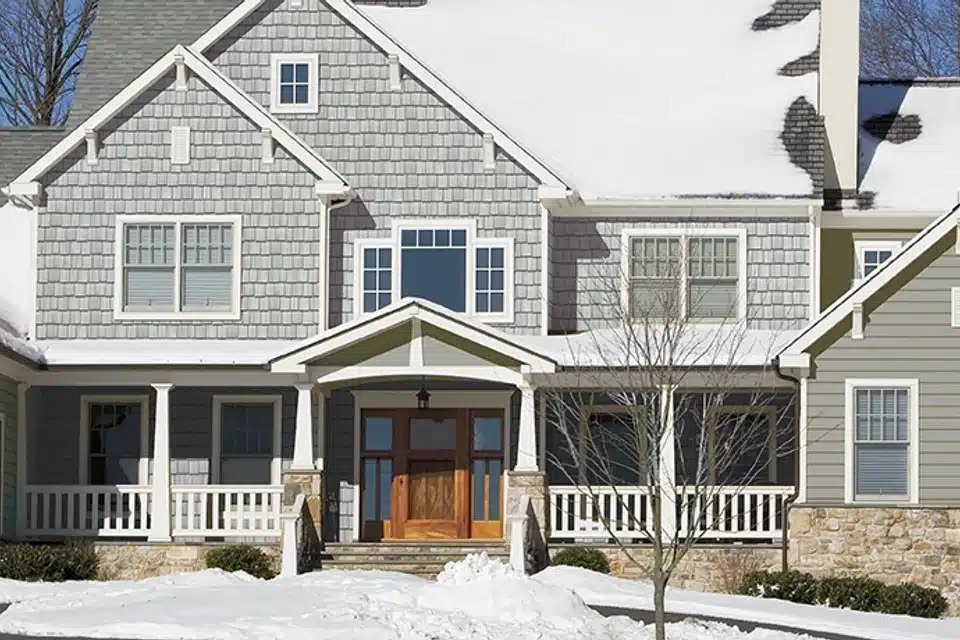
Discover the best replacement windows for lasting comfort, improved energy efficiency, and beautiful curb appeal in every season.
Does one room in your home always feel colder than the others? Do your heating and cooling bills keep creeping up? Your old windows could be the reason. In winter, heat slips out through thin glass and tired frames. In summer, heat sneaks in the same way.
Energy efficient replacement windows slow that heat flow. They use better glass, tighter seals, and smarter frames to keep indoor air where it belongs. In this guide, you will learn how these windows work, what the labels mean, which frames and styles suit Connecticut weather, and why a careful install matters as much as the window itself.
What Makes a Window Energy Efficient?
A window replacement near me is a team of parts, and each part has a job. When every part does its job well, less heat moves through the window. Here are the three main parts.
Smart Glass
Most energy efficient windows use an insulated glass unit, or IGU. It has two or three panes of glass with a small gap between them. That gap acts like a blanket for your window.
These glass features matter most:
- Double or triple panes: More panes add more layers to slow heat.
- Low-E coating: Low-E means “low emissivity.” This thin, nearly clear layer reflects heat. It helps keep warmth inside in winter and helps block the sun’s heat in summer.
- Gas fill: Many makers fill the gap with argon, a safe gas that moves heat less easily than regular air.
Strong Frames
The frame holds the glass and touches your wall, so it must resist heat flow too. Vinyl frames often have hollow chambers that trap air, and some makers fill those chambers with insulation. Wood and fiberglass also resist heat well. Aluminum moves heat fast, so it needs a thermal break, which is a barrier inside the frame.
Tight Seals and Spacers
Seals stop air from leaking around the parts that move. Spacers sit along the glass edges and keep the panes apart. Newer warm-edge spacers move less heat than old metal ones. Together, seals and spacers cut drafts and help keep moisture out of the glass unit.
How to Read a Window Label
Good windows come with labels. They look like small charts, but each number tells a simple story.
ENERGY STAR and NFRC Labels
The ENERGY STAR label shows that a window meets energy rules for a certain climate zone. The program splits the country into zones, and Connecticut sits in the Northern zone. Always check that the label matches your zone.
The NFRC label comes from the National Fenestration Rating Council. “Fenestration” is just a fancy word for windows and doors. The council tests windows and lists the results on a sticker.
The Key Numbers
- U-factor: This shows how fast heat escapes. A lower number is better. For cold Connecticut winters, check this number first.
- Solar heat gain coefficient (SHGC): This shows how much of the sun’s heat comes through the glass. A lower number blocks more heat. A higher number lets in more free warmth.
- Air leakage: This shows how much air sneaks through the window. A lower number means a tighter window.
- Visible transmittance: This shows how much daylight passes through. A higher number means a brighter room.
Signs Your Old Windows Waste Energy
Not sure if your windows leak heat? Watch for these clues:
- Cold air near the frame, even when the window is closed
- Glass that feels very cold in winter or very hot in summer
- Frost or water drops on the inside of the glass
- Curtains that move on a calm day
- Rooms that stay hotter or colder than the rest of the house
- Frames that look warped, cracked, or rotted
- Moisture trapped between the panes
You can also try two quick tests. First, move your hand slowly around the frame on a windy day and feel for moving air. Second, close the sash on a thin strip of paper. If the strip slides out with ease, the seal may be weak. These tests are not perfect, but they point you toward problem spots.
Which Frame Material Saves the Most Energy?
No single frame wins for every home. Each material has strengths and trade-offs.
- Vinyl: Affordable, easy to care for, and often insulated. It is a popular pick for replacement windows.
- Wood: A natural insulator with a classic look. It needs paint or stain to resist moisture.
- Fiberglass: Strong and steady in hot and cold weather. It usually costs more than vinyl.
- Aluminum: Slim and light, but it moves heat quickly unless it has a thermal break.
Pick the material that fits your budget, your home’s style, and how much upkeep you want to do.
Window Styles and How Tightly They Seal
Style changes how much air can sneak through.
- Casement windows: They open with a crank. When closed, the sash presses against the frame, so they often seal very tightly.
- Double-hung windows: Two sashes slide up and down. Good weatherstripping helps them perform well, and the tilt-in feature makes cleaning easy.
- Sliding windows: These glide side to side. Keep the tracks clean and check the weatherstripping.
- Picture windows: These do not open, so they have fewer places to leak. They are great for views and daylight.
- Bay and bow windows: They add space and light but have more joints. Quality construction and good insulation around the seat matter here.
Choosing Energy Efficient Replacement Windows for Connecticut Weather
Connecticut has cold winters, warm and humid summers, and strong storms. Your windows face all of it. The best replacement windows for your home are the ones that match your climate, your house style, and your budget. Follow these steps:
- Start with the U-factor. Look for a low number to keep winter heat inside.
- Check SHGC by the side of the house. Sunny sides may need glass that blocks more summer heat. Shaded sides can use glass that lets in more warmth.
- Pick Low-E glass with a gas fill. This combo adds insulation without adding much bulk.
- Check the air leakage number. A tight window blocks drafts.
- Choose a frame you can maintain. Match the material to your budget and upkeep habits.
- Read the warranty. Look for coverage on glass seals, frames, and parts.
- Plan for professional installation. The next section explains why.
Why Installation Matters as Much as the Window
Even the best window fails if the install is poor. Small gaps around the frame can leak air all day long. A careful installer follows steps like these:
- Measure the opening with care, because a window that is slightly off will not seal well.
- Remove the old window and check the opening for rot, moisture, or damage.
- Repair any damage before the new window goes in.
- Set the window level, plumb, and square.
- Insulate the small gap around the frame with material made for windows.
- Seal and flash the edges so water stays out.
- Test every window to make sure it opens, closes, and locks smoothly.
Good work here helps your energy efficient replacement windows reach the performance listed on their labels.
How Windows Connect to the Rest of Your Exterior
Windows do not work alone. They sit inside your siding, beneath your roofline, and beside your gutters. If one of those parts fails, your windows can suffer too.
- Siding: Siding wraps around each window opening. A skilled vinyl siding contractor trims and seals those edges so water cannot reach the frame. That is why many homeowners study vinyl siding installation and house vinyl siding options when they plan a window upgrade.
- Roofing: A roof leak can send water down the wall and stain frames and sills. A residential roofing contractor can check flashing and shingles.
- Gutters: Seamless gutter installation moves rain away from walls and windows, which helps frames last longer.
- Overall planning: Exterior home remodeling, home renovation services, and home remodeling services often link several of these jobs. Planning them together can cut repeat work.
When people type window replacement near me or vinyl siding installation near me into a search bar, they often want one team that understands the whole exterior. Creative Home Improvement LLC, a Connecticut company working since 1974, handles windows, siding, roofing, and gutters, so one crew can look at how each part affects the others.
Energy Efficient Windows Across Fairfield and New Haven Counties
Homes in Beacon Falls, Bridgeport, New Haven, Orange, Oxford, Trumbull, Seymour, Shelton, Ansonia, Milford, Monroe, and Woodbridge all deal with the same seasonal swings. Older houses in these towns may still have original windows with thin glass and worn seals. Homes near the shoreline also face salty air and heavy humidity, which can age materials faster.
New energy efficient replacement windows suit these conditions well because they handle both cold snaps and muggy weeks. Creative Home Improvement LLC has worked in these towns since 1974.
Common Mistakes to Avoid
- Shopping by price alone: A low price can hide a leaky window.
- Skipping the label: Without U-factor and air leakage numbers, you cannot compare windows fairly.
- Thinking more panes always wins: Triple-pane windows add insulation and weight. Double-pane windows with Low-E glass can work very well for many homes.
- Ignoring the gaps: Poor sealing and missing insulation around the frame wastes the window’s power.
- Expecting windows to fix everything: Attics, doors, and ductwork also affect comfort.
Other Ways to Boost Window Performance
Small habits give your windows a helping hand:
- Close insulating shades or heavy curtains at night in winter.
- Open them on sunny winter days to let free heat in.
- Close blinds on the hottest summer afternoons.
- Add shade trees or awnings to sunny sides of the house.
- Keep weatherstripping and caulk in good shape.
Conclusion: Small Details Add Up to Big Comfort
Energy efficient replacement windows work because every part acts as a team: smart glass, strong frames, and tight seals. The label numbers help you compare options, and Connecticut’s mix of cold winters and humid summers makes those numbers worth reading. Careful installation, plus good care of your siding, roof, and gutters, protects your investment.
Your best next step is simple. Read the labels, ask questions, and look at your whole exterior before you decide. If you want help sorting through options, Creative Home Improvement LLC can look at your windows and explain what makes sense for your home.
FAQs
What is the difference between whole-window and center-of-glass ratings?
Whole-window ratings include the frame and glass edges. Center-of-glass ratings only measure the middle, so they look better than real life. Compare whole-window numbers when you shop.
Are tinted windows the same as Low-E windows?
No. Tint colors the glass and absorbs light. Low-E is a thin, nearly clear coating that reflects heat. Some windows combine both, so check the product details.
Can I replace only some of my windows?
Yes. Many homeowners start with the draftiest rooms. Just plan for matching styles, colors, and trim so the outside of your home still looks even. Phasing the work also spreads out the cost.
What causes fog between the panes of a new window?
Fog between the panes usually means the seal around the glass failed and moisture got in. Cleaning will not fix it. Contact the installer or maker to check warranty coverage for the glass unit.
Will new windows block all outside noise?
They cut a lot of noise, but not all of it. Tight seals and thicker or laminated glass help most. Sound can still travel through walls, doors, and gaps in other parts of the house.
What papers should I keep after window installation?
Keep the receipt, warranty papers, product labels or spec sheets, and your installer’s contact details. These help with claims later and show buyers what you installed if you sell.
Why do my windows still sweat after replacement?
Extra moisture in the air is usually the cause, from cooking, showers, or drying clothes. Efficient glass stays warmer, which helps, but exhaust fans and good airflow still matter.
Can I see a Low-E coating on the glass?
Usually not. Low-E layers are very thin and nearly clear. Some products add a faint tint or show soft reflections at certain angles, so view a sample in your own light.
Are there rebates or tax credits for energy efficient windows?
Rules and programs change often. Check current offers with ENERGY STAR, your utility, and a tax professional before you buy so you know what applies to your home.
Should windows go in before or after new siding?
Often windows go in first or at the same time as siding, so the trim and flashing wrap around them cleanly. A contractor can set the best order for your home.