Butcher paper
Introduction to Butcher Paper
Butcher paper is a versatile, durable, and practical paper product widely used in butcher shops, restaurants, barbecue kitchens, craft projects, and packaging applications. Known for its strength, flexibility, and ability to handle a variety of tasks, it has become an essential material for both professionals and homeowners. Whether you want to wrap fresh meat, prepare delicious barbecue, protect work surfaces, or create attractive craft projects, butcher paper offers a reliable and convenient solution. Unlike ordinary paper, butcher paper is specifically designed for practical use. Depending on its type, it can provide breathability, moisture resistance, and durability, making it suitable for different environments. Understanding its features, benefits, and applications can help you choose the right butcher paper for your needs.
What Is Butcher Paper?
Butcher paper is a strong paper material traditionally used by butchers to wrap meat and other food products. It is commonly manufactured from wood pulp and comes in different weights, colors, and finishes. Its sturdy construction allows it to withstand everyday handling while providing a protective layer around the items it covers. Although butcher paper was originally associated with meat markets, its applications have expanded significantly. Today, it is widely used in barbecue preparation, food service, retail packaging, painting, crafting, and even educational activities. One of the most popular varieties is pink butcher paper, which is particularly well known among barbecue enthusiasts. Other options include white butcher paper, brown butcher paper, and specialty coated papers designed for specific purposes.
Different Types of Butcher Paper
Choosing the right butcher paper depends on how you intend to use it. Each variety has distinct characteristics that make it suitable for particular applications.
1. Pink Butcher Paper
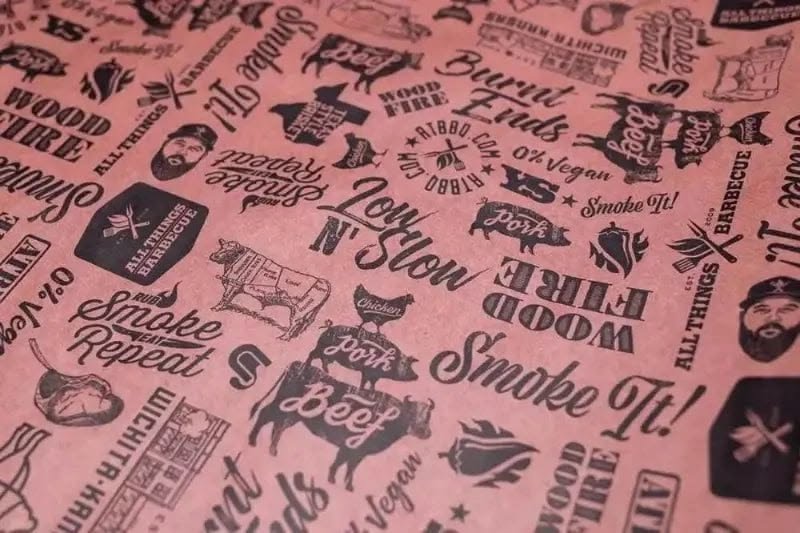
Pink butcher paper, sometimes called peach paper, is a favorite among barbecue enthusiasts. Its breathable construction allows some moisture and steam to escape while helping retain the meat’s natural juices. This makes it especially useful for wrapping brisket, ribs, and pork during the smoking process. Unlike tightly sealed foil, pink butcher paper can help preserve the texture of the meat’s exterior, commonly known as the bark. It is important to select food-grade, uncoated pink butcher paper specifically intended for cooking.
2. White Butcher Paper
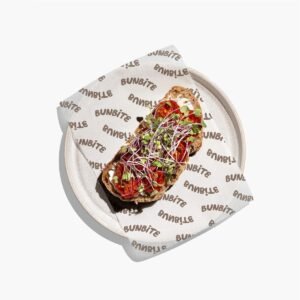
White butcher paper is commonly used in butcher shops, delis, restaurants, and food packaging businesses. It offers a clean, professional appearance and is suitable for wrapping certain foods when the product is specifically manufactured and approved for food contact. Businesses often choose white butcher paper for its simple presentation, versatility, and convenience. It can also be used for lining trays, preparing food orders, and covering suitable work surfaces.
3. Brown Butcher Paper
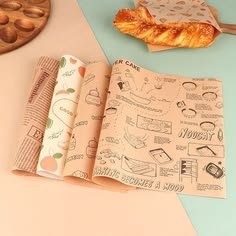
Brown butcher paper is a practical choice for packaging, wrapping, crafts, and general-purpose applications. Its natural appearance makes it popular among businesses that prefer simple, rustic, or environmentally conscious packaging designs. Depending on its specifications, brown butcher paper may also be suitable for certain food-related uses. However, not every brown paper product is intended for direct food contact, so checking the manufacturer’s labeling is essential.
4. Coated Butcher Paper
Coated butcher paper features an additional layer designed to improve resistance to moisture, grease, or other substances. It is often used in food service and packaging applications where additional protection is required. The coating determines how the paper performs, so buyers should confirm whether a particular product is suitable for direct food contact, heating, or other intended uses.
Top Benefits of Using Butcher Paper
Butcher paper offers several advantages that make it useful across different industries.
Durability and Strength
Quality butcher paper is designed to handle routine wrapping and packaging tasks without tearing easily. Its strength makes it suitable for protecting products during storage, transportation, and everyday handling.
Breathability
Certain types of butcher paper allow air and moisture vapor to pass through more readily than impermeable materials. This characteristic is especially valuable in barbecue cooking, where managing moisture helps preserve the desired texture of smoked meat.
Versatility
One of the biggest advantages of butcher paper is its wide range of applications. A single type of paper may serve multiple purposes, depending on its specifications, making it a convenient option for homes, restaurants, and commercial workplaces.
Convenient Handling
Butcher paper can be cut, folded, wrapped, and shaped according to different requirements. It is available in sheets and rolls, allowing users to select the format that best suits their workflow.
Potentially Recyclable Material
Many uncoated butcher paper products are made primarily from paper fibers and may be recyclable where local facilities accept them. However, paper contaminated with grease, food residue, plastic coatings, or other substances may not be accepted. Always check local recycling guidelines and the manufacturer’s product information.
How to Use Butcher Paper for Barbecue
Butcher paper has become particularly popular in the barbecue community because it can help maintain moisture while preserving the exterior texture of smoked meat. When smoking a brisket, cooks often wrap the meat after the bark has developed sufficiently. The paper helps reduce moisture loss while allowing some vapor to escape. This can support a desirable balance between tenderness and a flavorful exterior.
To use butcher paper for barbecue, follow these basic steps:
- Choose food-grade, uncoated butcher paper labeled as suitable for cooking.
- Smoke the meat until the bark reaches your preferred development.
- Remove the meat briefly and place it on a suitable sheet of paper.
- Wrap the meat securely without creating unnecessary gaps.
- Return it to the smoker and continue cooking according to your recipe.
Avoid using ordinary craft paper or paper with unknown inks, adhesives, or coatings for cooking. Also, follow the manufacturer’s temperature limits and food-safety recommendations.
Butcher Paper for Packaging and Crafts
Beyond cooking, butcher paper is useful for packaging products and completing creative projects. Retailers can use it to wrap merchandise, protect items, and create attractive presentations. Its simple appearance works particularly well for handmade products, gifts, and rustic packaging styles. For crafting, butcher paper provides a large, flexible surface for drawing, painting, tracing, and creating decorations. Teachers can use it for classroom activities, collaborative artwork, and learning displays. Families may also use it for children’s drawing sessions or temporary table coverings. In workshops and painting projects, suitable butcher paper can protect floors, counters, and other surfaces from dust, splashes, and minor spills. However, it should not be considered waterproof unless the product is specifically designed for that purpose.
How to Choose the Best Butcher Paper
Selecting the right butcher paper begins with identifying your primary application. If you plan to smoke brisket or ribs, look for food-grade pink butcher paper that is explicitly suitable for cooking. For wrapping products, brown or white paper may be a practical choice, depending on the required appearance and strength.
Consider the following factors before purchasing:
- Paper weight: Heavier paper may offer greater durability for demanding applications.
- Roll or sheet format: Rolls are convenient for cutting custom lengths, while sheets can save preparation time.
- Food-contact suitability: Confirm that the product is approved for your intended food-related use.
- Moisture resistance: Choose a suitable coated product when additional protection is needed.
- Quantity and cost: Bulk rolls may offer better value for businesses with frequent packaging requirements.
Comparing these features can help you find a product that meets your practical needs without unnecessary expense.
Butcher Paper vs. Aluminum Foil
Butcher paper and aluminum foil are both used to wrap meat during cooking, but they produce different results. Aluminum foil creates a more airtight barrier that retains moisture and heat effectively. This can speed up cooking and produce a softer exterior. Butcher paper is generally more breathable, which can help preserve the bark on smoked brisket. However, it may not retain moisture as effectively as foil in every situation. The best choice depends on your preferred outcome. If you prioritize a firmer bark, butcher paper may be the better option. If you want to retain more moisture and soften the exterior, foil may be more appropriate.
Conclusion
Butcher paper is a versatile and dependable material with applications ranging from traditional meat wrapping to barbecue cooking, product packaging, and creative projects. Its strength, flexibility, and availability in different varieties make it useful for both personal and professional purposes. By understanding the differences between pink, white, brown, and coated butcher paper, you can select the right product for your specific requirements. Whether you are preparing smoked brisket, packaging retail products, or protecting surfaces during a craft project, choosing quality butcher paper designed for the intended application can improve convenience and results.