tecar therapy Dubai
TECAR therapy is a non-invasive treatment that has gained attention in physiotherapy and rehabilitation for its potential to support pain management, improve mobility, and promote tissue recovery. Commonly used by physiotherapists and rehabilitation specialists, this treatment uses radiofrequency energy to generate heat within targeted tissues. It may be recommended for people experiencing muscle discomfort, joint stiffness, sports injuries, and certain musculoskeletal conditions.
Whether you are recovering from an injury, dealing with persistent muscle tension, or looking for a complementary rehabilitation technique, understanding how TECAR therapy works can help you make an informed decision. This article explores its benefits, applications, treatment process, and important considerations.
What Is TECAR Therapy?
TECAR stands for Transfer of Energy Capacitive and Resistive. It is a therapeutic technique that uses radiofrequency electrical energy to produce heat within body tissues. The treatment is commonly used in physiotherapy to complement manual therapy, therapeutic exercises, and other rehabilitation approaches.
Unlike external heating methods that primarily warm the skin’s surface, TECAR devices are designed to transfer energy into targeted tissues. The resulting thermal effects may help increase local blood flow, reduce muscle stiffness, and improve tissue extensibility.
TECAR therapy generally uses two operating modes:
- Capacitive mode: This mode is typically used to target tissues with higher water content, including muscles and other soft tissues.
- Resistive mode: This mode is designed to target tissues with greater electrical resistance, including deeper connective tissues and structures around joints.
The appropriate mode depends on the treatment goal, the affected area, and the physiotherapist’s assessment.
How Does TECAR Therapy Work?
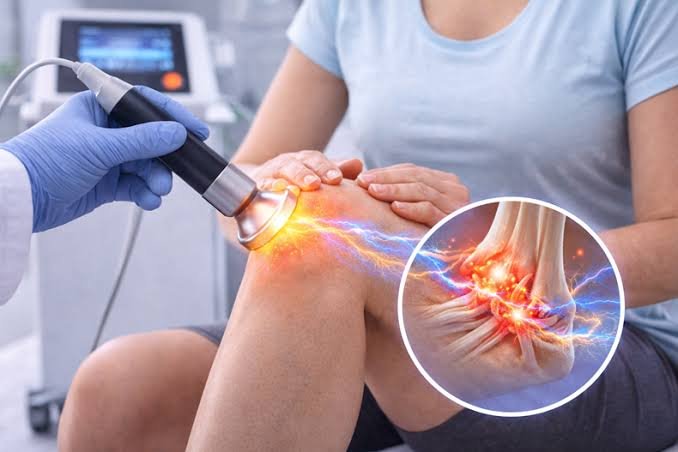
TECAR therapy uses a radiofrequency current delivered through an applicator placed against the skin. A conductive cream or gel may be applied to help the applicator move smoothly and maintain effective contact.
During treatment, the transferred energy can generate heat in the targeted tissues. This thermal effect may encourage local circulation, support tissue mobility, and help reduce discomfort associated with certain musculoskeletal conditions.
The physiotherapist adjusts the device settings according to the patient’s comfort, treatment objectives, and clinical needs. Some treatment protocols use a gentle thermal sensation, while others may involve more noticeable warmth.
TECAR therapy is often combined with hands-on techniques, stretching, and strengthening exercises. This integrated approach aims to address both symptoms and the underlying movement limitations contributing to pain or reduced function.
Although the treatment has promising applications, the quality of scientific evidence varies by condition. It should not be considered a guaranteed solution or a replacement for appropriate medical care.
Key Benefits of TECAR Therapy
TECAR therapy may offer several benefits when used as part of an individualized rehabilitation programme. Outcomes depend on the condition being treated, the patient’s health, and the other therapies used alongside it.
1. Pain Management
One of the main reasons people consider TECAR therapy is to manage musculoskeletal pain. The thermal effects may help reduce muscle tension and improve comfort in selected conditions.
It may be incorporated into rehabilitation programmes for back discomfort, neck stiffness, joint pain, and certain sports-related injuries. However, the treatment’s effectiveness varies, and persistent or unexplained pain should be medically assessed.
2. Improved Local Circulation
The heat generated during TECAR therapy may increase blood flow in the treated area. Improved local circulation can influence oxygen delivery and the movement of substances involved in normal tissue metabolism.
These effects may support rehabilitation, although increased circulation alone does not establish that an injury will heal faster.
3. Reduced Muscle Stiffness
Tight or stiff muscles can limit flexibility and interfere with everyday activities. The warming effect of TECAR therapy may help improve tissue extensibility and make movement more comfortable.
Physiotherapists may combine it with stretching, mobility exercises, or manual techniques to help patients regain a more comfortable range of motion.
4. Support for Rehabilitation
Recovering from an injury often requires a structured programme involving movement, progressive loading, and strengthening. TECAR therapy may be used as an additional technique to help manage symptoms during this process.
It is particularly important to maintain an appropriate exercise programme because passive treatments alone may not restore strength, coordination, or long-term physical function.
5. Potential Benefits for Sports Injuries
Athletes and physically active individuals may experience muscle strains, tendon-related pain, and joint stiffness. TECAR therapy is sometimes included in sports rehabilitation to help manage discomfort and support movement.
Its suitability depends on the injury. Acute injuries, suspected fractures, significant swelling, and possible tendon ruptures require appropriate assessment before treatment begins.
Conditions That May Be Treated With TECAR Therapy
Physiotherapists may consider TECAR therapy as part of a broader treatment plan for selected musculoskeletal conditions.
Muscle strains and tension: It may help manage discomfort and stiffness associated with certain muscle injuries, depending on the injury’s stage and severity.
Tendon-related pain: Some rehabilitation programmes use TECAR therapy for conditions such as tendinopathy. However, progressive strengthening and load management are generally important components of tendon rehabilitation.
Back and neck pain: The treatment may be considered for selected cases of nonspecific musculoskeletal back or neck discomfort, alongside exercise and other evidence-based interventions.
Joint stiffness: It may help improve comfort and mobility when stiffness is associated with certain soft-tissue or musculoskeletal conditions.
Sports-related injuries: TECAR therapy may complement rehabilitation following selected strains and other soft-tissue injuries once the appropriate diagnosis and treatment plan have been established.
Postoperative rehabilitation: In certain cases, a clinician may consider TECAR therapy during recovery from surgery. Its use depends on the procedure, healing stage, medical restrictions, and the surgeon’s recommendations.
TECAR therapy is not appropriate for every condition. A qualified healthcare professional should determine whether it is suitable for your particular symptoms.
What Happens During a TECAR Therapy Session?
A typical session begins with an assessment of your symptoms, medical history, movement limitations, and treatment goals. The physiotherapist may examine the affected area and determine whether additional investigations or medical evaluation are necessary.
If TECAR therapy is appropriate, the process generally includes the following steps:
Step 1: Preparation. The treatment area is exposed, and the therapist positions you comfortably. A conductive cream may be applied to the skin.
Step 2: Device application. The physiotherapist moves the applicator over the targeted area using controlled movements and suitable pressure.
Step 3: Energy adjustment. The device settings are adjusted according to the treatment objective and your comfort level. You may feel gentle or moderate warmth.
Step 4: Monitoring. The therapist monitors your response and adjusts the treatment if necessary. You should report any burning sensation, sharp pain, or unusual discomfort immediately.
Step 5: Rehabilitation exercises. Depending on your condition, the session may finish with stretching, mobility work, strengthening exercises, or advice about activity modification.
Treatment duration varies, but a session may last approximately 15–30 minutes. The number of sessions required depends on the diagnosis, symptom severity, response to treatment, and overall rehabilitation plan.
Is TECAR Therapy Safe?
TECAR therapy is generally well tolerated when performed by a trained professional using appropriate settings. Nevertheless, it is not suitable for everyone, and radiofrequency energy can cause excessive heating or burns if used incorrectly.
Possible temporary effects include redness, warmth, or mild skin irritation. Your therapist should review your medical history and screen for relevant contraindications before beginning treatment.
Extra caution or avoidance may be necessary for people with certain implanted electronic devices, such as pacemakers, or metal implants depending on the device and treatment protocol. Treatment over areas affected by impaired sensation, compromised circulation, active bleeding, or certain skin conditions may also be inappropriate.
Pregnancy, active cancer in the treatment area, acute thrombosis, and other medical conditions require specific clinical consideration. These situations should be discussed with a qualified healthcare professional rather than assessed through general advice alone.
Seek prompt medical attention for severe or worsening pain, significant swelling, unexplained weakness, or symptoms that suggest a serious underlying condition.
TECAR Therapy vs. Other Physiotherapy Treatments
TECAR therapy is one of several techniques used in rehabilitation. Understanding how it compares with other approaches can help you discuss suitable options with your physiotherapist.
TECAR therapy vs. therapeutic ultrasound: TECAR therapy uses radiofrequency energy, whereas therapeutic ultrasound uses sound waves. Both may be used to complement rehabilitation, but their mechanisms differ, and neither is automatically superior for every condition.
TECAR therapy vs. manual therapy: Manual therapy involves hands-on techniques intended to address pain, mobility, or movement restrictions. TECAR therapy uses an energy-based device. Depending on the diagnosis, a therapist may use them together.
TECAR therapy vs. exercise therapy: Exercise therapy focuses on restoring strength, endurance, flexibility, balance, and functional capacity. TECAR therapy may help manage symptoms, but it generally cannot replace the active rehabilitation needed for lasting functional improvement.
The most appropriate treatment depends on your diagnosis, preferences, response to therapy, and the available scientific evidence.
How to Choose a TECAR Therapy Provider
Choosing a qualified provider is important for both safety and treatment effectiveness. Consider the following factors before starting a programme:
- Professional qualifications: Choose a licensed physiotherapist or appropriately qualified healthcare professional with relevant rehabilitation experience.
- Individual assessment: The provider should assess your symptoms and medical history before recommending treatment.
- Clear treatment goals: Ask how TECAR therapy fits into your rehabilitation plan and how progress will be measured.
- Evidence-based care: Look for a provider who combines appropriate treatments with exercises and practical recovery advice rather than promising guaranteed results.
- Safety screening: Confirm that the provider checks for contraindications and explains possible side effects.
You should also discuss the expected cost, proposed number of sessions, and alternatives before committing to a treatment package.
Conclusion
TECAR therapy is a radiofrequency-based treatment used in physiotherapy to help manage selected musculoskeletal conditions. Its potential benefits include improved comfort, reduced muscle stiffness, and support for movement during rehabilitation. However, results vary, and evidence supporting its effectiveness is not equally strong for every condition.
For the best outcome, TECAR therapy should be considered as part of a personalised rehabilitation programme that may include exercise, manual therapy, and activity modification. A qualified physiotherapist can assess your needs, explain the likely benefits and limitations, and determine whether this treatment is appropriate for you.
If you are experiencing persistent pain or restricted movement, seek a professional assessment before starting treatment. The right combination of diagnosis, targeted rehabilitation, and ongoing progress monitoring can help you work towards safer and more sustainable recovery.