Uneven temperatures across industrial facilities can create uncomfortable work areas and complicate efforts to maintain consistent heating. Industrial infrared heating panels deliver focused warmth by emitting infrared radiation that heats people, equipment, machinery, and nearby surfaces directly. Rather than depending entirely on raising the temperature of the surrounding air, this method directs heat toward specific workstations or operational zones. Concentrating warmth where it is most needed can improve comfort in large facilities with changing heating requirements. This targeted approach makes infrared panels a practical consideration for industrial settings seeking effective heat distribution and improved workplace conditions.
How Industrial Infrared Heating Transfers Energy Directly
Industrial infrared heating transfers thermal energy through electromagnetic radiation, warming surfaces, machinery, equipment, and people without relying mainly on heated air. Much like sunlight, infrared energy travels directly towards objects in its path, delivering warmth to the areas where it is needed. Conventional convection systems circulate heated air throughout a building, whereas infrared technology focuses energy on specific surfaces. This difference can help limit unnecessary heat loss and provide effective warmth in selected industrial zones.
This heating method suits facilities where certain work areas require warmth while other sections remain unoccupied. Because it does not depend on heating large volumes of air, infrared technology can be useful in draughty buildings and spaces with limited insulation. Lower reliance on air circulation may also reduce the movement of dust and airborne particles. These characteristics make infrared heating worth considering for expansive workshops, high-ceiling warehouses, and industrial buildings with unusual layouts.
Important Features of Industrial Infrared Heating Panels
Industrial infrared heating panels provide focused radiant warmth through a design that can accommodate different installation requirements and demanding workplace conditions. Instead of heating the surrounding air first, they emit energy towards selected surfaces, equipment, and occupied zones. Their relatively compact construction allows installation on walls or ceilings, helping preserve valuable floor space while directing heat towards operational areas.
Robust materials can support reliable performance in industrial settings where equipment must withstand regular use. Their quiet operation may also benefit workplaces where background noise needs to remain low for daily tasks.
Directing heat towards designated zones can reduce the need to warm unused parts of a facility, helping businesses manage energy use more effectively. Many infrared systems also provide noticeable warmth shortly after activation, making them suitable for areas with changing occupancy or intermittent heating needs. Since they depend less on moving air to distribute heat, these panels may also reduce the circulation of airborne dust within the workplace.
Industrial Settings That Benefit from Infrared Panel Heating
Industrial infrared heating panels can serve a range of workplace requirements by delivering warmth directly to selected areas. In warehouses and storage buildings, they can provide localised heating where staff regularly work or temperature control is important. Manufacturing facilities may use them to warm production stations, machinery surroundings, and occupied sections without needing to heat every part of the building.
Certain industrial processes, including specific drying, curing, and coating operations, may also benefit from controlled radiant heat where equipment specifications and process requirements permit its use. Workshops and large commercial facilities can establish separate heating zones to concentrate energy around active work areas instead of distributing warmth throughout unoccupied spaces.
Buildings with high ceilings or extensive open interiors can present particular challenges for conventional heating because warm air may accumulate above the occupied level. Radiant systems transfer energy directly to intended surfaces, reducing dependence on air circulation. This adaptability allows industrial facilities to consider heating arrangements that suit their building design, operational patterns, and workplace comfort requirements.
Choosing Between Infrared Panels and Infrared Floor Heating
Infrared panels and infrared floor heating use radiant energy to provide warmth, although their placement and distribution patterns differ. Panels are commonly fitted to walls or ceilings, where they can direct heat towards selected work areas, equipment, and surfaces. Their accessible positioning can make zone-based heating easier to arrange, while some installations allow adjustments when workplace requirements change.
Infrared floor heating operates beneath the finished floor, warming the surface and providing more evenly distributed heat at floor level. This arrangement may suit spaces where consistent warmth across an occupied area is desirable. However, installation requires careful planning because the heating elements are integrated into the floor structure. Panels can provide more localised heating with a responsive feel, while floor systems offer an integrated approach to broader surface warmth. The decision depends on the building’s layout, installation requirements, intended use, and preferred heat distribution.
Improving Workplace Comfort through Efficient Heating
Maintaining a comfortable workplace temperature is essential for ensuring productivity and well-being in industrial environments. Infrared heating panels are highly effective in creating a consistent thermal environment by delivering heat directly to surfaces and objects. This approach eliminates the uneven temperature distribution often associated with air-based systems, thereby reducing cold spots and ensuring uniform warmth.
The absence of air circulation minimises disturbances, contributing to a quieter and more stable working atmosphere. Additionally, the steady warmth provided by infrared panels can enhance focus and comfort, especially in spaces where large areas need targeted heating. By offering precise temperature control, these systems prevent overheating or underheating, which is crucial for maintaining optimal working conditions.
Their silent operation further supports concentration in noise-sensitive environments, ensuring that the workforce can carry out tasks without distractions. The ability of these panels to adapt to specific zones within an industrial space allows for energy-efficient heating that prioritises the comfort of employees.
Coordinating Air Movement and Heat in Industrial Facilities
Industrial ventilation plays an important role in regulating indoor air quality and environmental conditions in facilities that rely on heating equipment. Removing stale air and introducing fresh outdoor air can help control airborne contaminants and maintain suitable working conditions. When infrared heating is used, a well-designed ventilation system can help manage excess heat and maintain appropriate airflow throughout the building. Effective air exchange may also assist with humidity control, particularly in facilities where moisture could affect machinery, production materials, or stored goods.
A planned ventilation arrangement can create a more suitable workplace by limiting the build-up of airborne pollutants and supporting cleaner indoor air. Integrating ventilation with industrial heating allows both systems to contribute to environmental management in a coordinated way. Appropriate airflow and targeted heating can help maintain comfortable temperatures while supporting efficient daily operations. In large enclosed facilities, dependable ventilation therefore serves as an important complement to heating equipment and overall workplace comfort.
Directing Infrared Energy Where Industrial Heat Is Needed
Industrial infrared-heating panels can improve heating efficiency by transferring radiant energy directly to selected surfaces, machinery, equipment, and occupied work zones. Traditional convection heating relies heavily on warming surrounding air, which can result in greater heat loss in spacious buildings or areas affected by draughts. Infrared systems concentrate warmth on intended targets instead, reducing the need to heat large quantities of air. Their ability to deliver warmth relatively quickly can also suit industrial workplaces where heating requirements change throughout the day.
Targeted radiant energy can help address cold spots and maintain suitable temperatures without heating every section of a facility equally. More stable thermal conditions may benefit equipment, stored goods, and processes that depend on consistent temperatures. Many infrared panels also have relatively simple operating mechanisms, which can make routine maintenance more straightforward and support dependable performance over time.
Consistent Workplace Temperatures through Hydronic Radiant Heat
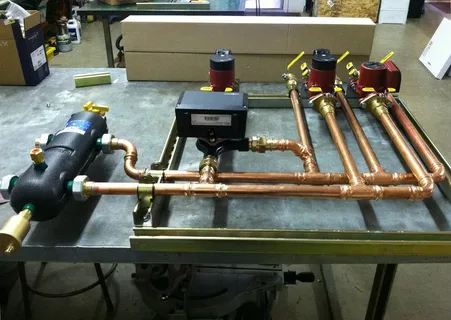
Hydronic radiant heat uses heated water circulated through a network of pipes installed beneath floors or within suitable building structures. This method can provide sustained warmth across industrial spaces where consistent temperatures are required throughout occupied areas. Water’s ability to retain thermal energy helps hydronic systems deliver gradual, steady heating, with overall energy performance depending on system design, insulation, controls, and the heat source.
As hydronic heating does not rely on forced-air circulation to distribute warmth, it may reduce the movement of dust and airborne particles within certain workplaces. This can be beneficial in environments where air movement needs to be controlled for operational reasons. The systems also operate quietly, helping limit unnecessary workplace noise. Pipe layouts can be planned to suit different building designs, allowing heating coverage to reflect the facility’s available space, active work zones, and specific temperature requirements.
Maintaining Reliable Performance from Industrial Heating Panels
Routine maintenance is essential for preserving the efficiency and operational life of industrial heating panels. Cleaning panel surfaces at suitable intervals can help prevent dust and debris from collecting and affecting radiant heat transfer. Electrical connections and components should also be inspected periodically to identify damaged wiring, worn parts, or other faults that could interfere with normal operation. Keeping connections secure can further reduce the likelihood of unexpected interruptions and help maintain dependable heating performance.
Changes in heat output, unusual behaviour, or indications of overheating should be monitored so developing issues can be addressed before they become more serious. Scheduled professional servicing can provide a detailed assessment, identify less visible faults, and confirm that the system continues to operate efficiently. Maintaining appropriate clearance and airflow around panels can also support heat dissipation and minimise excessive heat accumulation. A consistent maintenance routine can therefore help industrial heating systems provide reliable performance while supporting efficient energy use in demanding workplace environments.
Consistent Industrial Warmth with Hydronic Radiant Floor Heating Panels
Hydronic radiant floor heating panels offer a practical heating option for expansive industrial spaces where reliable and even warmth is required. Heated water circulates through pipe networks installed beneath the floor, gradually transferring thermal energy across the surrounding area. Because water stores heat effectively, hydronic systems can maintain comfortable temperatures over extended periods while supporting considered energy use. Their reliance on radiant heat rather than forced-air distribution can also help minimise the movement of dust and airborne particles within industrial workplaces.
Low-noise operation is another advantage in facilities where background sound needs to remain manageable during daily tasks. Hydronic installations can be configured to suit different building dimensions, floor layouts, and operational heating demands. As warmth spreads upwards from the floor, the system can create a more uniform thermal environment without the draughts often associated with conventional air-circulation heating. This makes hydronic radiant panels worth considering for industrial areas that require steady, widespread heating.
Conclusion
Industrial heating options, such as industrial infrared heating panels and hydronic radiant systems, offer different ways to maintain suitable temperatures across expansive workspaces. Infrared panels provide direct warmth to specific zones, whereas hydronic systems can distribute heat across broader floor areas to meet facility needs. These approaches can support workplace comfort while helping manage energy consumption. Careful equipment selection, qualified installation, and scheduled servicing contribute to reliable operation. Choosing a heating solution suited to the site’s activities can help maintain practical temperature control and efficient energy use.
FAQs
How do industrial infrared heating panels warm designated work areas?
Industrial infrared heating panels emit radiant energy that warms nearby objects, equipment, and people directly. This method reduces reliance on heating all the surrounding air, allowing targeted warmth to be delivered to specific work areas within larger facilities.
What distinguishes infrared panels from conventional heating equipment?
Infrared panels deliver heat through radiation rather than relying primarily on warm air circulating throughout a building. This direct transfer can provide focused warmth to selected workstations and suit industrial facilities where individual zones require different levels of heating.
Do hydronic radiant floor heating panels operate quietly?
Hydronic radiant floor heating panels typically distribute warmth through heated fluid circulating within a system rather than relying on forced-air fans. This can reduce operating noise, making them a suitable option for industrial environments where quieter working conditions are preferred.
| Related Business Listings |
| Contact Directory |
| Local Business Profiles |