In a competitive retail environment, product packaging needs to do more than protect an item. It must communicate quality, build consumer confidence, and help businesses distinguish genuine products from imitations. As online shopping and global distribution continue to expand, brands are paying greater attention to packaging features that support product identification and visual appeal. One option gaining attention across retail, e-commerce, and manufacturing is custom hologram stickers.
These stickers combine reflective visual effects with practical labelling applications. Depending on their design and construction, they can help businesses create distinctive packaging, communicate authenticity, and improve the presentation of products. Understanding their materials, printing methods, and appropriate applications helps businesses choose solutions that meet their packaging objectives.
What Are Hologram Stickers and How Do They Work?
Hologram stickers are labels that display shifting colours, reflective patterns, or three-dimensional visual effects when viewed from different angles. These effects are generally created through specialised optical structures incorporated into holographic films or materials.

Unlike conventional paper labels, holographic labels interact with light to produce a distinctive appearance. Their visual characteristics make them useful for packaging that needs to stand out on crowded shelves or provide an additional layer of product identification.
Custom holographic stickers can be designed with specific colours, shapes, logos, text, and patterns. Depending on the printing and finishing process, businesses may choose from several options, including:
- Rainbow holographic finishes: Produce multicoloured reflections that change with the viewing angle.
- Logo-based holographic labels: Highlight a company emblem or brand identity.
- Transparent holographic stickers: Combine selected transparent areas with reflective effects.
- Tamper-evident labels: Use constructions designed to show visible evidence of removal or interference.
- Security-focused holograms: Incorporate specialised patterns or other features intended to make unauthorised reproduction more difficult.
It is important to recognise that a holographic appearance alone does not guarantee authenticity. Security depends on the design, production method, and any additional verification features incorporated into the label.
Key Applications Across Retail, E-Commerce, and Manufacturing
The flexibility of hologram stickers makes them suitable for a wide range of products and packaging formats. Their application depends on the surface material, environmental conditions, branding requirements, and desired level of protection.

Retail Product Packaging
Retail brands can use holographic labels to highlight logos, product ranges, or limited-edition collections. Cosmetics, accessories, electronics, gift products, and premium consumer goods are examples of categories where reflective finishes can complement the overall packaging design.
For effective results, businesses should consider the relationship between the label and the packaging. A highly reflective sticker may work well on simple, understated packaging, while a complex design may compete with existing graphics.
E-Commerce and Shipping
Online retailers can incorporate holographic labels into product boxes, seals, and branded packaging. These labels can provide a recognisable visual element that helps customers identify the seller or product range.
For shipping applications, durability matters. Labels must withstand handling, friction, and changes in temperature or humidity. Businesses should test adhesive compatibility and surface performance before using a particular label across all shipments.
Brand Protection and Authentication
Counterfeit products can create financial losses and damage consumer trust. Security-oriented labels may help businesses make unauthorised copying more difficult, especially when holographic effects are combined with unique serial numbers, QR codes, or other verification methods.
However, QR codes and printed identifiers should be supported by a reliable verification process. Simply adding a code or reflective finish does not prevent counterfeiting on its own.
Understanding Hologram Printing and Customisation Options
The results achieved through hologram printing depend on the selected material, artwork, production technique, and finishing requirements. Businesses should establish their priorities before finalising a design.
Hologram sticker printing may involve printing selected graphics onto suitable holographic stock or combining printed elements with specially manufactured optical patterns. Each approach offers different possibilities for visual consistency, customisation, and security.

When planning an order, consider these practical factors:
- Artwork preparation: Use clear logos and legible text. Fine details may become difficult to distinguish against complex reflective backgrounds.
- Material selection: Choose a suitable film or label stock for the intended packaging surface.
- Adhesive performance: Match the adhesive to the product material, considering whether the surface is coated, textured, curved, or exposed to moisture.
- Label dimensions: Ensure the sticker fits the available space without covering important product information.
- Quantity and consistency: Confirm minimum order quantities, production tolerances, and colour expectations before approving a large run.
- Testing and approval: Request a sample or proof where available, particularly for packaging used across multiple product lines.
Businesses exploring personalised hologram stickers should also consider how the label will appear under different lighting conditions. A design that looks attractive on a digital screen may produce a different visual effect on reflective stock. Physical samples can help identify readability issues before production.
Common Challenges and How to Avoid Them
Although holographic labels offer several benefits, they require careful planning.
One common challenge is excessive visual complexity. When a sticker combines detailed artwork, small text, and strong reflective effects, important information can become difficult to read. A simpler layout, clear contrast, and carefully positioned branding elements can improve the result.
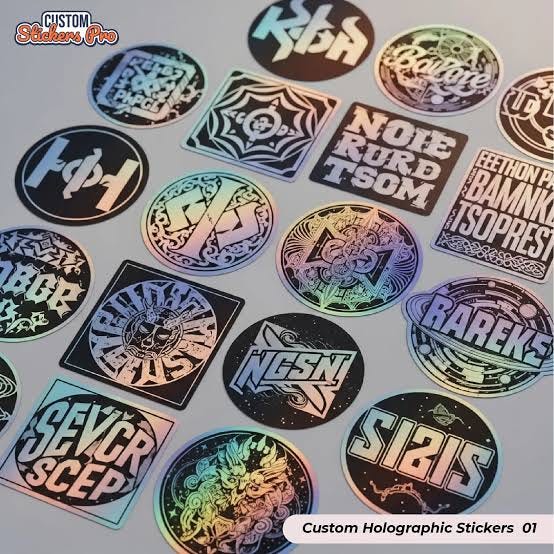
Another issue is selecting unsuitable materials. A label designed for a smooth cardboard box may not adhere reliably to textured plastic or curved packaging. Testing the actual packaging surface helps reduce peeling, wrinkling, and premature label failure.
Businesses should also distinguish decorative labels from security features. Personalised holographic stickers can support branding, but organisations requiring stronger protection may need additional measures, such as tamper-evident adhesives, unique identifiers, controlled artwork, or documented authentication procedures.
Finally, production consistency should not be overlooked. Variations in placement, finish, or dimensions can affect the appearance of large packaging batches. Clear specifications and approval samples help establish an acceptable production standard.
Choosing the Right Holographic Sticker Solution
Selecting suitable labels starts with defining the intended outcome. A retailer seeking stronger shelf appeal may prioritise reflective finishes and logo visibility, while a manufacturer concerned about product authenticity may require specialised security features.
Businesses should evaluate the following questions before making a decision:
- What product and packaging surface will carry the sticker?
- Is the primary purpose decoration, identification, tamper evidence, or authentication?
- Will the label be exposed to moisture, friction, heat, or outdoor conditions?
- What artwork, dimensions, adhesive properties, and finishing options are required?
- Does the chosen design remain readable and consistent across production batches?

For businesses researching UK printing options, The Quantum Print provides a relevant starting point for exploring custom hologram stickers UK and available holographic label formats. Reviewing material choices, design requirements, and intended applications can help buyers prepare a more precise specification.
Conclusion
Holographic labels offer businesses a practical way to combine distinctive packaging with product identification and, where appropriately designed, additional security measures. From retail presentation to e-commerce packaging and authentication programmes, their effectiveness depends on selecting suitable materials, preparing clear artwork, and matching the label to its intended purpose.
By testing samples, evaluating adhesive performance, and distinguishing decorative finishes from genuine security features, businesses can make informed packaging decisions. Well-planned custom hologram stickers can contribute to a consistent brand identity while supporting packaging requirements across different industries.
Contact Us : https://www.thequantumprint.com/contact-us/
About Us : https://www.thequantumprint.com/about-us/
Website Link : https://www.thequantumprint.com/