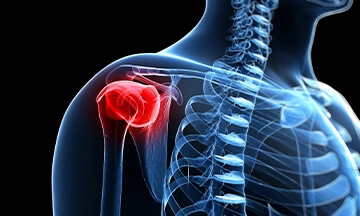
Shoulder pain can affect many parts of daily life. Simple activities such as lifting objects, reaching overhead, getting dressed, or even sleeping comfortably may become difficult. One common cause of shoulder pain is shoulder bursitis, a condition that leads to inflammation in the small fluid-filled sacs that help reduce friction around the shoulder joint.
Many people initially manage the condition with rest, medication, and physical therapy. However, when symptoms continue or return frequently, patients often look for other treatment options. Stem Cell Treatment for Shoulder Bursitis has gained attention as a regenerative approach that may help support healing and improve shoulder function.
This article explains shoulder bursitis, its causes and symptoms, and the potential benefits of stem cell treatment for individuals dealing with this condition.
Understanding Shoulder Bursitis
The shoulder is one of the most mobile joints in the human body. To support smooth movement, small sacs called bursae are located between bones, tendons, and muscles. These bursae contain fluid that reduces friction during movement.
Shoulder bursitis occurs when one or more of these bursae become inflamed. The most commonly affected bursa is the subacromial bursa, which sits between the rotator cuff tendons and the upper part of the shoulder blade.
When inflammation develops, the bursa may swell and cause pain, especially during arm movements.
Common Causes of Shoulder Bursitis
Several factors can contribute to the development of shoulder bursitis, including:
Repetitive Shoulder Movements
Activities that involve repeated overhead motions can irritate the bursa over time. Examples include:
- Painting
- Tennis
- Swimming
- Construction work
- Weightlifting
Injury or Trauma
A direct blow or fall onto the shoulder may trigger inflammation in the bursa.
Poor Posture
Incorrect posture can place additional stress on shoulder structures and increase the risk of irritation.
Age-Related Wear and Tear
As people age, the tissues around the shoulder may become more vulnerable to inflammation and degeneration.
Associated Shoulder Conditions
Shoulder bursitis can sometimes occur alongside:
- Rotator cuff injuries
- Tendinitis
- Shoulder impingement syndrome
- Arthritis
Symptoms of Shoulder Bursitis
Symptoms can vary depending on the severity of inflammation.
Common signs include:
- Shoulder pain during movement
- Pain when lifting the arm
- Tenderness around the shoulder
- Swelling
- Reduced range of motion
- Discomfort while sleeping on the affected side
- Weakness during certain activities
In some cases, symptoms may gradually worsen if the underlying inflammation is not addressed.
Traditional Treatment Approaches
Most patients begin with conservative treatment methods.
These may include:
Rest and Activity Modification
Reducing activities that aggravate the shoulder can help minimize irritation.
Physical Therapy
Specific exercises may improve flexibility, strength, and joint function.
Anti-Inflammatory Medications
Nonsteroidal anti-inflammatory drugs (NSAIDs) are often used to reduce pain and swelling.
Corticosteroid Injections
Injections may temporarily decrease inflammation and discomfort.
Surgery
In severe or persistent cases, surgical intervention may be considered when conservative methods fail.
While these approaches can provide relief, some patients continue to experience recurring symptoms or incomplete recovery.
What Is Stem Cell Therapy?
Stem cells are unique cells with the ability to develop into different types of specialized cells. They also release substances that may support tissue repair and healing processes.
In regenerative medicine, stem cells are used to help support the body’s natural healing response.
The goal is not simply to mask symptoms but to encourage repair at the source of tissue damage or chronic inflammation.
For shoulder bursitis, stem cell treatment is being explored as a potential option for reducing inflammation and supporting healthier tissue function.
How Stem Cell Treatment Works for Shoulder Bursitis
The treatment process may vary depending on the patient’s condition and the treatment plan.
Generally, stem cell therapy involves several steps:
Patient Evaluation
A thorough assessment helps determine whether the patient is a suitable candidate.
Stem Cell Collection
Stem cells may be obtained from sources such as:
- Bone marrow
- Adipose (fat) tissue
Processing
The collected material is prepared to concentrate the regenerative cells.
Injection
The stem cells are carefully injected into the affected shoulder area using imaging guidance when necessary.
After treatment, the cells may contribute to the healing environment by supporting tissue repair and regulating inflammatory responses.
Benefits of Stem Cell Treatment for Shoulder Bursitis
Many patients are interested in regenerative therapies because they focus on supporting the body’s healing mechanisms.
Below are some potential benefits.
1. May Help Reduce Inflammation
Inflammation is one of the primary causes of pain in shoulder bursitis.
Stem cells release biological factors that may help regulate inflammatory processes within the affected area. Reduced inflammation can contribute to improved comfort and mobility.
2. Supports Natural Healing
Unlike treatments that primarily address symptoms, stem cell therapy aims to support the body’s repair mechanisms.
This regenerative approach may help improve the condition of surrounding tissues and promote healthier function.
3. Potential Improvement in Shoulder Mobility
Pain and inflammation often limit movement.
As inflammation decreases and tissue health improves, patients may experience better flexibility and a greater range of motion.
Improved mobility can make daily tasks easier and more comfortable.
4. Minimally Invasive Procedure
Stem cell therapy is generally considered a minimally invasive treatment.
Compared with surgery, the procedure typically involves injections rather than large incisions.
This may reduce recovery time and procedural risks for selected patients.
5. Reduced Dependence on Pain Medications
Long-term use of pain medications may not be ideal for every patient.
If regenerative treatment helps improve symptoms, some individuals may require fewer medications to manage discomfort.
6. May Delay or Prevent Surgical Intervention
Not every patient with shoulder bursitis requires surgery.
For individuals with persistent symptoms, stem cell therapy may provide another treatment option before considering more invasive procedures.
7. Supports Overall Joint Health
The shoulder joint functions as a complex system involving muscles, tendons, ligaments, cartilage, and bursae.
By promoting a healthier healing environment, regenerative therapies may contribute to improved overall joint function.
8. Personalized Treatment Approach
Stem cell therapy is often tailored to the patient’s specific condition and needs.
A personalized treatment plan may improve the likelihood of achieving meaningful results.
Who May Be a Candidate for Stem Cell Treatment?
A healthcare specialist may consider stem cell therapy for individuals who:
- Have chronic shoulder bursitis
- Continue experiencing symptoms despite conservative treatments
- Wish to explore non-surgical options
- Have recurring inflammation
- Want a regenerative treatment approach
A detailed medical evaluation is essential to determine suitability.
Not every patient is an ideal candidate, and treatment recommendations should always be individualized.
Recovery After Stem Cell Treatment
Recovery experiences can vary among patients.
Following treatment, patients may receive instructions that include:
- Temporary activity modification
- Physical therapy exercises
- Gradual return to normal activities
- Follow-up evaluations
Healing is typically a gradual process because regenerative therapies work by supporting biological repair mechanisms.
Some patients notice improvements within weeks, while others may require several months to experience the full effects.
Importance of Rehabilitation
Successful outcomes often depend on combining treatment with a structured rehabilitation plan.
Physical therapy can help:
- Improve flexibility
- Strengthen supporting muscles
- Restore proper movement patterns
- Reduce the risk of future injury
A comprehensive recovery program can maximize treatment benefits.
Lifestyle Tips for Managing Shoulder Bursitis
Whether undergoing stem cell treatment or other therapies, healthy habits can support recovery.
Maintain Good Posture
Proper posture reduces unnecessary stress on shoulder structures.
Perform Recommended Exercises
Consistent stretching and strengthening exercises may improve shoulder stability.
Avoid Overuse
Limiting repetitive overhead activities can help prevent irritation.
Stay Physically Active
Regular movement supports joint health and circulation.
Follow Medical Advice
Adhering to professional guidance can improve recovery outcomes and long-term shoulder function.
Future of Regenerative Medicine for Shoulder Conditions
Regenerative medicine continues to be an area of growing interest within orthopedic care.
Researchers are studying how stem cells may help support healing in various musculoskeletal conditions, including:
- Shoulder bursitis
- Rotator cuff injuries
- Tendon disorders
- Cartilage damage
- Joint degeneration
As scientific understanding continues to evolve, regenerative therapies may play an increasingly important role in managing orthopedic conditions.
Conclusion
Shoulder bursitis can significantly impact daily activities, comfort, and overall quality of life. While traditional treatments such as medication, physical therapy, and injections remain valuable options, some patients seek alternative approaches when symptoms persist.
Stem Cell Treatment for Shoulder Bursitis offers a regenerative approach that focuses on supporting the body’s natural healing processes. Potential benefits may include reduced inflammation, improved mobility, enhanced tissue repair, decreased reliance on pain medication, and the possibility of avoiding more invasive procedures.
Patients considering this treatment should undergo a comprehensive evaluation with an experienced orthopedic specialist. For individuals exploring advanced regenerative options, consulting with Dr Marouane Bouloudhnine can help determine whether stem cell therapy may be an appropriate part of a personalized shoulder care plan.