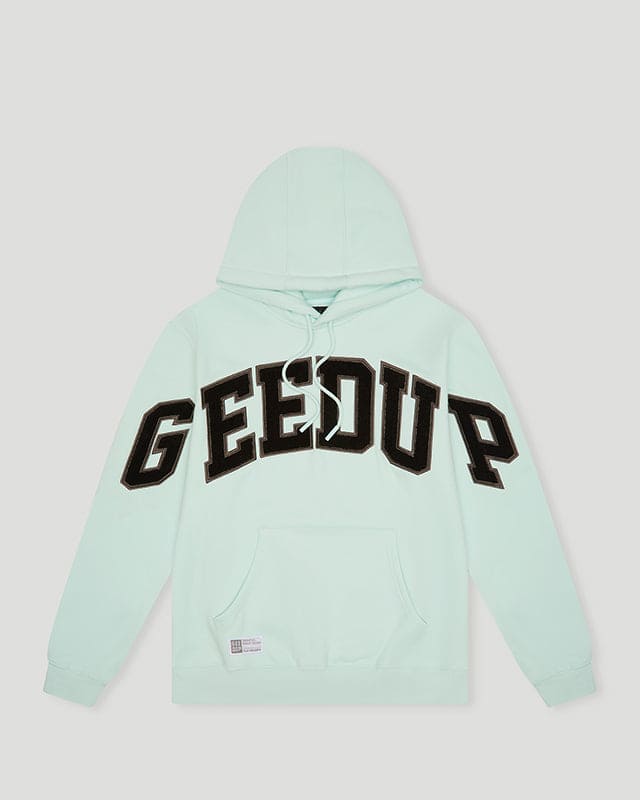
Sustainability and the Future of Geedup Streetwear
Streetwear has evolved from a subcultural expression into one of the most influential forces in modern fashion. What began through communities connected to skateboarding, music, and urban creativity has become a global industry shaped by identity, exclusivity, and cultural influence. However, as streetwear continues to grow, a new challenge has emerged: sustainability. Consumers are increasingly questioning how clothing is produced, how long it lasts, and what impact it has on the environment. For brands like Geedup, the future of streetwear depends not only on design and community but also on responsible approaches to production and consumption.
Geedup has built its reputation around authenticity, loyalty, and cultural connection. Its rise reflects a shift in fashion where people are attracted to brands that represent values and lifestyles rather than simply selling products. As sustainability becomes more important in global fashion, streetwear brands must find ways to maintain their identity while responding to environmental and ethical expectations.
The Changing Role of Sustainability in Fashion
The fashion industry has faced increasing attention because of concerns about waste, overproduction, and resource consumption. Traditional fast fashion models often prioritize speed and low prices, resulting in large amounts of clothing waste and environmental pressure.
Streetwear has historically operated differently from fast fashion. Many streetwear brands focus on limited releases, stronger community relationships, and products designed to create long-term value. This approach can naturally support sustainability because limited production reduces excess inventory and encourages customers to view pieces as meaningful rather than disposable.
For Geedup, sustainability aligns with the brand’s existing philosophy of creating products connected to identity and loyalty. When consumers feel emotionally connected to clothing, they are more likely to keep and value those pieces for longer periods.
Quality Over Quantity
One of the most important principles shaping sustainable streetwear is the idea of quality over quantity. Modern consumers are becoming less interested in constantly replacing clothing and more interested in investing in durable pieces.
A high-quality hoodie, jacket, or shirt can remain part of someone’s wardrobe for years. This reduces waste and changes the relationship between consumers and fashion. Instead of seeing clothing as temporary trends, people begin to view garments as personal items with stories and memories.
Geedup’s popularity has been connected to the emotional value supporters place on its products. The brand’s limited releases and strong identity encourage customers to treat items as meaningful pieces rather than disposable fashion.
Limited Drops and Sustainable Consumption
The limited-drop model has become one of the defining features of streetwear culture. Brands release smaller collections rather than producing large quantities available everywhere. This strategy creates excitement, but it can also support more responsible production when managed carefully.
Producing smaller quantities allows brands to better estimate demand and reduce unnecessary waste. Instead of creating large amounts of unsold stock, companies can focus on intentional production.
For Geedup, limited releases have helped create a strong relationship between the brand and its community. This approach reflects a broader movement in fashion where exclusivity is connected not only to status but also to thoughtful consumption.
However, sustainability requires more than limited availability. Brands must also consider materials, manufacturing processes, packaging, and supply chains to create meaningful environmental improvements.
The Importance of Responsible Materials
One of the biggest opportunities for sustainable streetwear is the use of responsible materials. Traditional clothing production often relies on resources that can have significant environmental impacts. The future of fashion will likely involve increased use of recycled fabrics, organic materials, and improved manufacturing methods.
For streetwear brands, adopting sustainable materials can strengthen their connection with younger consumers who value environmental awareness. Today’s customers often want to support companies that demonstrate responsibility rather than simply promote an image.
As Geedup continues to grow, attention toward material choices and production practices will become increasingly important. A brand’s cultural influence comes with greater responsibility, and sustainability can become part of its long-term identity.
Community and Sustainability
One of Geedup’s strongest qualities is its community-focused approach. The brand has built loyalty by creating a sense of belonging among supporters. This same community connection can play an important role in encouraging sustainable habits.
A strong community can influence how people view clothing. When customers understand the value behind a product, they are more likely to care for it, repair it, and keep it longer.
Streetwear has always been driven by communities. Sustainability fits naturally into this culture because both rely on shared values and collective action. A brand that creates a strong relationship with its audience has the opportunity to encourage more responsible fashion choices.
The Digital Future of Sustainable Streetwear
Technology will also shape the future of sustainable streetwear. Digital platforms allow brands to communicate directly with customers, understand demand, and reduce unnecessary production.
Social media has changed how streetwear communities develop. Brands can now build global audiences without relying entirely on traditional retail systems. This creates opportunities for smaller, independent labels to operate more efficiently.
For Geedup, digital engagement has been central to its growth. As the fashion industry becomes more connected, technology can help brands create smarter production systems and reduce waste.
Future streetwear may also include digital fashion experiences, virtual communities, and new ways for customers to interact with brands without increasing physical consumption.
Balancing Growth and Responsibility
One of the biggest challenges for successful streetwear brands is balancing growth with authenticity. As a brand becomes more popular, demand increases, and scaling production becomes necessary. However, rapid expansion can create pressure to sacrifice quality or sustainability.
Geedup’s future success will depend on maintaining the qualities that made it influential while adapting to changing expectations. Growth does not only mean producing more products—it means building a stronger, more responsible brand.
Sustainability can become a key part of this evolution. By focusing on durability, responsible production, and community values, streetwear brands can continue to grow while reducing their environmental impact.
The Future of Geedup and Streetwear Culture
The future of Geed up streetwear will likely be shaped by three major forces: identity, sustainability, and innovation. The brand’s cultural strength comes from its ability to represent a mindset and connect with its audience. Sustainability provides an opportunity to expand that identity by showing responsibility toward the future.
Streetwear is no longer only about trends. It is about values, creativity, and long-term cultural influence. Brands that succeed in the coming years will be those that understand that consumers want both style and purpose.
Geedup represents a generation of streetwear brands built through community rather than traditional fashion systems. As sustainability becomes a central issue, the brand and others like it have the opportunity to redefine what modern streetwear can become.
Conclusion
Sustainability is becoming one of the most important factors shaping the future of streetwear. For Geedup, the challenge is not only maintaining its cultural identity but also embracing responsible practices that reflect the values of a changing audience.
The future of streetwear will belong to brands that combine creativity with responsibility. Quality products, meaningful communities, thoughtful production, and environmental awareness will define the next generation of fashion.
Geedup’s journey shows that streetwear is more than clothing—it is a reflection of culture and identity. By embracing sustainability, the brand has the opportunity to become part of a larger movement toward a more conscious and responsible fashion future.
More:Shop