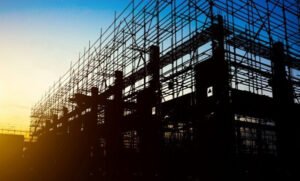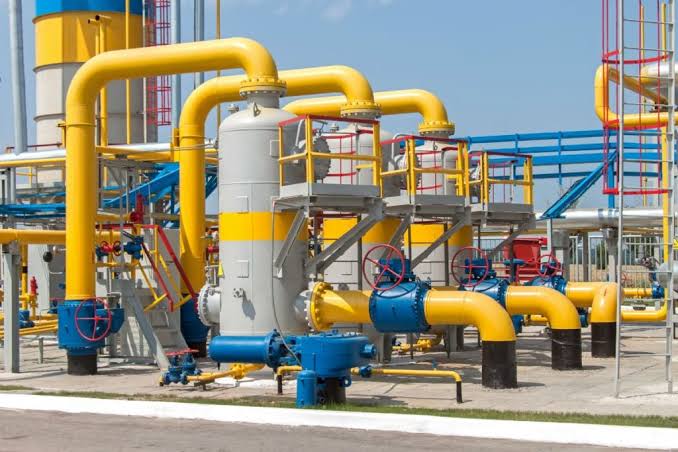
Constructing oil and gas facilities is one of the most complicated engineering processes in the industrial sector, which requires detailed planning, technical expertise, regulatory compliance, and the ability to work with multiple stakeholders towards achieving safety, efficiency, and long-term operational success in all phases of an oil/gas-related construction project for both upstream process facilities, downstream transportation facilities, and petrochemical facilities. Construction is a critical component of delivering reliable infrastructure, and good execution of construction will reduce the risks, control costs, and ultimately ensure that the facility will meet performance expectations from day one once completed.
Project Planning and Feasibility Assessment
In this phase, the project owner will determine whether the project is economically viable and whether the facility can meet the technical requirements imposed on it by law, environmental impact, and compliance with regulations before finalizing a contract with a construction contractor to carry out the construction of the oil/gas facility. An important step to developing a successful oil/gas facility project plan is site selection. Taking a significant amount of time to plan a project or obtain a comprehensive plan in place will vastly reduce the likelihood of unexpected problems occurring later in a project and will create a solid foundation for the successful execution.
Engineering Design and Regulatory Approvals
The team normally consists of civil, structural, mechanical, piping, electrical, and instrumentation engineers, who all work together to create an integrated facility design that meets all operational needs and considers worker safety and environmental concerns. The use of advanced modeling techniques aids in determining the best locations for equipment and process flow and maintenance access before the physical construction process has begun. The successful completion of the engineering and permitting process on schedule and properly helps to eliminate costly redesigns as well as the delays incurred in the construction process, and also allows the project to continue under the requirements of law.
Procurement and Supply Chain Management
Oil and gas projects require thousands of different parts and pieces like structural steel, pressure vessels, compressors, pumps, pipelines, electrical systems, and instrumentation. Procurement will evaluate potential suppliers for each of these parts based upon quality standards, where each supplier is located, the time it takes for a supplier to deliver parts to the project, what certifications the supplier has, and the cost of the parts. Effective management of the supply chain ensures that the proper number of materials arrive at the site based upon the construction schedule, which eliminates schedule delays and cost overruns that would occur due to delays as a result of not having materials delivered on time.
Site Preparation and Civil Construction
Once the essential civil construction phase is complete, large-scale process equipment installations can take place at the newly constructed facility. Major equipment installations include the assembly and installation of large process equipment, storage tanks, pressure vessels, piping networks, compressors, heat exchangers, and supporting steel structures in accordance with engineering specifications. Electrical distribution systems support all of the equipment installed at the facility, as do the systems providing mechanical, electronic, and other means of connecting to the facility’s power supply.
Mechanical, Electrical, and Structural Installation
Installation of instrumentation used to control and monitor the facility, in conjunction with electrical and mechanical equipment installed earlier in the project, occurs at this time as well. This includes the installation of automation controls and sensors. Quality assurance inspections are conducted throughout the installation process to confirm that all equipment is properly connected, aligned, and calibrated, and that they meet all of the project’s engineering specifications. Coordination among the various disciplines involved in the construction of the facility is critical to the successful completion of each installation phase.
Testing, Pre-Commissioning, and Safety Verification
The commissioning of a facility involves a number of important activities that are designed to ensure that hydrocarbons are introduced only once every system is confirmed to perform as intended. One of the key pre-commissioning activities is mechanical completion inspection, whereby the construction of the facility is verified to have been executed according to the design specification. To perform mechanical completion inspection, pipelines must be pressure tested, electrical systems must be energized and inspected, rotating equipment must be tested, instrumentation must be calibrated, and all automation systems must be validated through functional testing.
The End
Oil and gas facility construction companies are a meticulously planned, coordinated process that requires competence from multiple disciplines, like engineering, procurement, construction, safety, and operations. The process includes comprehensive planning, rigorous quality control, and compliance with applicable industry regulations to reduce risks and maximize operational performance and return on investment. As energy infrastructure continues to transform due to new technologies and increasing sustainability demands, a disciplined construction methodology is still essential for the creation of safe, dependable, and high-performing oil and gas facilities that will be capable of meeting the world’s energy demands for many years to come.