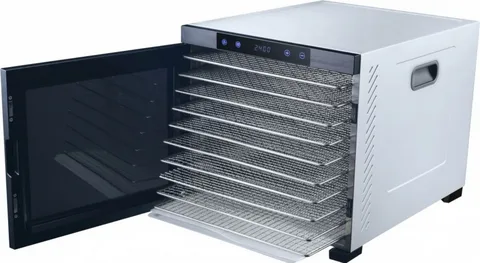
Food dehydration is a food preservation method that removes moisture to inhibit the growth of microorganisms that cause spoilage. This technique has been used for centuries and remains a practical way to extend the shelf life of various foods. The best dehydrator simplifies the process, enabling consistent, efficient drying. By reducing water content, food becomes lighter and more compact, making it easier to store and transport. Dehydrated food retains much of its original nutritional value while enhancing its natural flavours. Whether preparing dried fruits, vegetables, or meats, these machines provide a reliable way to preserve food for later use. As awareness of waste reduction and healthy snacking grows, food dehydration remains a valuable culinary and preservation tool, with applications in both households and small-scale food production.
How Dehydration Preserves Food?
Dehydration is a preservation technique that removes moisture from food to inhibit the growth of microorganisms such as bacteria, yeasts, and moulds. Without sufficient water, these microorganisms cannot thrive, which significantly slows down the spoilage process.
The absence of moisture not only preserves the food but also helps to maintain much of its original nutritional content. Furthermore, dehydration intensifies the food’s natural flavours, enhancing its taste.
This method also reduces the weight and bulk of food, making storage and transport more convenient. By prolonging shelf life and maintaining quality, dehydration offers an effective way to preserve a wide variety of foods, keeping them safe and enjoyable for extended periods. Its benefits make it a practical choice for both home and commercial use.
Factors to Consider in Dehydrator Machine
When evaluating dehydrator machine, airflow design plays a significant role in achieving consistent results. Machines with horizontal airflow often ensure even drying, while vertical models may vary in efficiency depending on how you place the food. Machine capacity is another critical factor, as it determines how much food the machine can process at once.
Material quality and build durability are also important, as sturdier machines typically offer better performance and longevity. Features like adjustable temperature settings add versatility for drying different foods, improving the appliance’s overall functionality.
Energy consumption is another aspect to consider, particularly for prolonged use. Machines with efficient energy usage can reduce operational costs without compromising performance. Noise levels and ease of maintenance are additional factors that influence a machine’s suitability for regular use. Evaluating these factors helps you select a reliable, effective dehydrator.
Different Types of Dehydration Machines
Dehydration machines are categorised by airflow design and construction. Vertical airflow machines typically direct air from the top or bottom, so you must arrange trays carefully to ensure even drying. These models are often compact, making them suitable for limited spaces. In contrast, horizontal airflow machines push air across trays, promoting uniform dehydration regardless of where you place food.
Construction materials also distinguish machine types. Models built with durable materials, such as stainless steel, tend to retain heat better and last longer. Plastic models may be lighter and more affordable but may not offer the same durability.
Certain machines are designed with specific features for particular uses, such as preserving delicate herbs or drying larger quantities of food. Understanding the available types can help you choose the most appropriate model for your needs.
Temperature Control in Dehydrators
Adjustable temperature settings are essential in food dehydrators, as different foods require specific heat levels for optimal drying. Fruits generally need lower temperatures to preserve their natural sweetness and prevent over-drying, while vegetables benefit from moderate settings to maintain their texture and nutritional content. Higher temperatures are typically used for meats to ensure proper dehydration and food safety.
Machines equipped with precise temperature controls provide flexibility, allowing tailored drying processes for a variety of foods. This feature not only improves drying results but also helps to retain essential vitamins and minerals that might be lost at unsuitable heat levels. Consistency in temperature throughout the process ensures uniform results, reducing the risk of unevenly dried food. This level of precision makes the dehydrator versatile and suitable for a range of culinary applications.
The Role of Timer Features
Programmable timers in food dehydrators add convenience by letting users set precise drying times for different foods. This functionality eliminates the need for constant monitoring, allowing the dehydration process to occur seamlessly.
Machines with timers often include automatic shut-off mechanisms that prevent over-dehydration and help food retain its desired texture and quality. This feature is particularly beneficial for longer dehydration sessions or when multitasking in busy environments.
Advanced timer settings can also allow staged dehydration processes, where specific drying stages are set for different times and temperatures. This level of control increases the machine’s flexibility, accommodating a variety of culinary needs. By integrating timer features into the design, dehydration machines offer greater precision and efficiency, making food preservation both practical and hassle-free.
Noise Levels during Operation
Noise levels from food dehydration machines can vary significantly, depending on factors such as motor design and airflow systems. Machines equipped with powerful fans or motors often generate higher noise levels, which may be noticeable in quieter environments.
Some models incorporate noise-reduction features, allowing for smoother operation with minimal disruption. This aspect is particularly beneficial in households where noise sensitivity is a concern.
Assessing a machine’s operational noise before purchasing is advisable, especially for extended use or if the machine is intended to run overnight. Quiet operation enhances overall user experience, ensuring the machine fits seamlessly into everyday settings without causing inconvenience or disturbance to surrounding activities.
Cleaning and Maintenance
Proper cleaning and maintenance of food dehydration machines support efficient performance and durability. Machines with detachable trays and components simplify cleaning, as you can easily remove and wash each part individually. Thoroughly cleaning all residues, such as food particles and moisture, helps prevent contamination and odours. Regularly inspect components for wear or damage to maintain proper function. Machines made with non-stick or dishwasher-safe materials make maintenance easier.
Following manufacturer-recommended cleaning guidelines, including using appropriate cleaning tools, is essential to preserve the machine’s condition. Proper upkeep not only enhances the machine’s lifespan but also ensures consistent drying results, making maintenance a critical aspect of owning a food dehydrator.
Versatility of Use
Food dehydration machines accommodate a wide variety of ingredients, including fruits, vegetables, meats, and herbs, making them suitable for diverse culinary applications. These machines allow you to make items such as fruit leathers, vegetable chips, and meat jerky, enabling innovative snack preparation. They can also dry herbs for seasoning or flowers for tea, expanding their use beyond traditional food preservation.
Some models also support fermenting yoghurt or proofing bread, showcasing their multifunctionality. This adaptability supports creative recipes while reducing food waste. Their ability to handle a wide range of foods enhances their practicality, making them a valuable tool for both home kitchens and small-scale food production.
Dehydration Efficiency and Speed
Dehydration efficiency and speed depend on several factors, including the machine’s power, slice thickness, and initial moisture content. Higher-wattage machines tend to speed up the drying process, which helps preserve food quality while saving time.
Uniformly slicing food into thinner pieces can further enhance efficiency, as thinner items dehydrate more quickly and evenly. Additionally, arranging food correctly on trays allows optimal airflow, ensuring consistent drying.
Foods with higher water content, such as fruits, generally take longer to dehydrate compared to low-moisture items like herbs. Efficient machines maintain nutritional integrity by preserving vitamins and minerals, while optimised settings remove moisture effectively without compromising taste or texture.
Cost Considerations
The cost of food dehydration machines varies widely, depending on build quality, capacity, and additional features. Basic models often offer fewer features and suit occasional use. More advanced machines offer precise temperature control and larger capacities for regular or bulk dehydration. Higher-priced models may include durable materials, energy-efficient designs, or specialised settings that justify the investment for frequent use.
When evaluating cost, assess the intended purpose and frequency of use. Machines that balance affordability with essential features can provide reliable performance without unnecessary expenditure, ensuring an appropriate choice for preserving food efficiently over time.
Safety Features in the Best Food Dehydrators
Safety features in the best food dehydrators are designed to ensure secure operation during use. Many models include overheat protection systems that automatically shut off the machine at unsafe temperatures, preventing damage and reducing fire risk. Non-slip bases improve stability during operation, reducing the risk of accidents. Insulated exteriors are another common feature, keeping the outer surface cool to the touch and preventing burns.
Some machines also incorporate child-lock mechanisms for added safety in family settings. Following recommended usage guidelines and maintaining the appliance properly further supports safe, efficient operation.
Conclusion
The best dehydrator offer a highly efficient, practical, and sustainable method for preserving fresh produce, meats, and herbs for long-term storage across Australia. By extracting moisture through controlled heat and continuous airflow, these appliances prevent microbial spoilage while concentrating natural flavours and preserving vital vitamins and minerals. Modern food dehydrators feature horizontal airflow designs, precise thermostatic controls, and programmable timers to ensure uniform drying without constant monitoring. Investing in a durable, energy-efficient food dehydrator reduces household organic waste, lowers grocery costs, and allows health-conscious individuals to prepare wholesome, additive-free snacks effortlessly throughout Australia.
FAQs
What is the primary difference between horizontal and vertical airflow food dehydrators?
Horizontal airflow dehydrators utilize a rear-mounted fan and heating element to distribute air evenly across all trays, eliminating the need for tray rotation. Vertical airflow dehydrators push air from the top or bottom, which can lead to uneven drying if trays are crowded. Horizontal models deliver superior consistency across Australia.
What temperature settings should be used for drying different types of food?
Herbs and delicate flowers dry best at low temperatures around 35°C to 45°C. Fruits, vegetables, and bread proofing require moderate temperatures between 50°C and 60°C. Meats and poultry made into jerky require higher temperatures, typically 65°C to 70°C, to ensure food safety and eliminate harmful pathogens across Australia.
How long does it typically take to dehydrate fruits and vegetables?
Dehydration times vary based on water content, slice thickness, ambient humidity, and dehydrator wattage. Thinly sliced apples or herbs may take four to eight hours, whereas high-moisture fruits like berries or thick vegetable slices can take twelve to twenty-four hours. Maintaining consistent slice thickness ensures uniform drying times across Australia.
How should dehydrated foods be stored to maintain maximum shelf life?
Dehydrated foods must cool completely before being stored in clean, airtight glass jars, vacuum-sealed bags, or food-grade containers. Storing containers in a cool, dark, and dry pantry protects contents from light, ambient moisture, and oxygen degradation, preserving nutritional quality and crispness for months or years across Australia.
What basic cleaning and maintenance practices extend a dehydrator’s lifespan?
Unplug the machine and allow it to cool completely before cleaning. Wash removable mesh trays and drip liners in warm, soapy water using a non-abrasive sponge, or place them in the dishwasher if rated safe. Wipe the interior and exterior motor housing with a damp cloth to prevent sticky residue buildup across Australia.
| Related Business Listings |
| Contact Directory |
| Local Business Profiles |