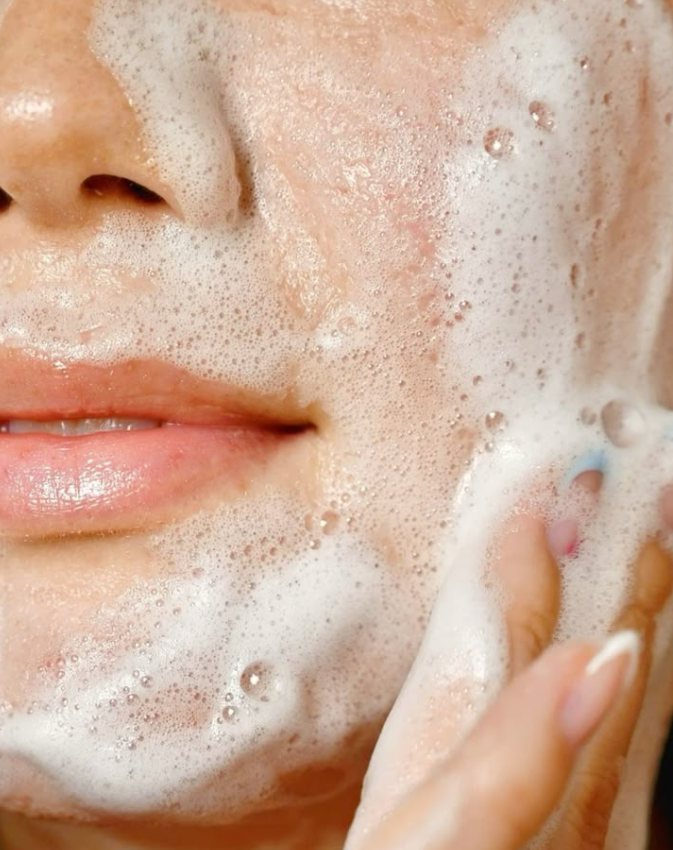
Finding the right Acne Wash can make a big difference when your skin is oily, congested, or prone to regular breakouts. I have found that acne care is not always about using the strongest product available. In many cases, keeping a simple and consistent cleansing routine can be a better starting point.
Acne can appear as blackheads, whiteheads, pimples, or deeper and more painful spots. It can affect teenagers and adults alike, and different people can respond differently to skincare products. The key is to understand what your skin needs and avoid habits that can make irritation worse.
A good cleansing routine can help keep the skin comfortable and remove excess oil, sweat, and everyday impurities. However, washing too often or scrubbing aggressively can actually irritate acne-prone skin. Dermatologists generally recommend gentle cleansing rather than harsh scrubbing.
What Is an Acne Wash
An acne wash is a facial cleanser designed for skin that is prone to spots, excess oil, blocked pores, or breakouts.
Depending on the product, an acne cleanser may contain ingredients such as salicylic acid or benzoyl peroxide. These ingredients are commonly used in acne care, although the right option depends on your skin and the type of acne you have.
For me, one of the biggest advantages of using an Acne Wash is that it can make cleansing feel more targeted than using an ordinary soap or body wash on the face.
However, a cleanser should not be expected to solve every type of acne on its own. Moderate or severe acne may require additional treatment and professional advice.
How Acne Develops
Understanding acne makes it easier to understand why cleansing matters.
Acne can develop when hair follicles become blocked with oil and dead skin cells. Hormonal changes can increase oil production, while inflammation can contribute to the development of spots.
This is why acne is not simply a result of having a dirty face. The NHS explains that poor hygiene does not cause acne, and excessive washing can irritate the skin.
That was useful for me to understand because I initially thought washing more often would automatically mean fewer breakouts.
In reality, gentle and consistent skincare is generally a better approach.
Choosing the Right Acne Wash
Not every cleanser is suitable for acne-prone skin.
When choosing an Acne Wash, I would look for a product that is gentle and appropriate for the face. If your skin is sensitive, a harsh cleanser can leave it feeling tight, dry, or irritated.
Products labelled as non-comedogenic can be useful because they are designed to be less likely to clog pores. The American Academy of Dermatology also recommends gentle, non-abrasive skincare for people managing acne.
I would also avoid choosing a product simply because it produces a strong tingling sensation. A product does not need to feel harsh to be effective.
How Often Should You Wash Acne-Prone Skin
One of the most common mistakes I see is washing the face repeatedly throughout the day.
It may seem logical to wash away oil whenever your skin looks shiny. However, excessive cleansing can irritate the skin and potentially make acne symptoms worse.
The NHS recommends washing acne-affected skin no more than twice a day with a mild cleanser and lukewarm water.
A simple routine can therefore be enough:
Morning: Gently cleanse the skin.
Evening: Cleanse again before bed.
You may also want to wash after heavy sweating or exercise.
How I Use an Acne Cleanser
The way you use a cleanser can be just as important as the product itself.
I prefer to wet my face with lukewarm water first. I then apply a small amount of cleanser and gently massage it across the skin with my fingertips.
There is no need to scrub hard.
After cleansing, I rinse thoroughly and gently pat my face dry with a clean towel.
Dermatologists recommend using your fingertips instead of abrasive washcloths, sponges, or similar tools because aggressive rubbing can irritate acne-prone skin.
This simple approach is much easier to maintain every day.
Acne Wash Ingredients Worth Knowing
Different acne cleansers contain different active ingredients.
Salicylic Acid
Salicylic acid is commonly used in products designed for acne-prone skin. It can help exfoliate the skin and clear blocked pores.
It may be particularly useful for people dealing with blackheads and whiteheads.
However, stronger does not always mean better. If your skin becomes dry or irritated, reducing use or choosing a gentler product may be appropriate.
Benzoyl Peroxide
Benzoyl peroxide is another established acne treatment. NHS guidance explains that benzoyl peroxide is available in gels and face washes and is commonly used for mild to moderate acne.
It can cause dryness, redness, peeling, burning, or stinging in some people.
It can also bleach hair and fabrics, so care is needed when using products containing benzoyl peroxide.
If you are unsure whether an active ingredient is suitable for your skin, asking a pharmacist or healthcare professional can help.
Acne Wash for Oily Skin
Oily skin can make acne management frustrating.
When I notice excess oil, my first instinct is to want a stronger cleanser. But stripping too much oil from the skin is not necessarily helpful.
Instead, I prefer a cleanser that removes excess oil without leaving the skin extremely dry.
A balanced skincare routine can include gentle cleansing followed by a lightweight, non-comedogenic moisturiser.
The goal is to keep the skin clean and comfortable rather than trying to remove every trace of natural oil.
Mistakes That Can Make Acne Worse
There are several habits I would avoid when using an Acne Wash.
The first is scrubbing too aggressively. Scrubbing does not remove acne and can irritate the skin.
The second is washing your face too frequently.
Another common mistake is changing products every few days. Acne treatments often need time before improvements become noticeable. The American Academy of Dermatology notes that acne treatment can take several weeks to show improvement.
I would also avoid picking or squeezing spots. This can increase inflammation and raise the risk of scarring or dark marks.
Building a Simple Acne Skincare Routine
A complicated routine is not always necessary.
A simple acne skincare routine could include:
- A gentle Acne Wash
- A suitable moisturiser
- A non-comedogenic sunscreen during the day
- An appropriate acne treatment if recommended
- Consistent cleansing morning and evening
Keeping the routine simple makes it easier to identify what works and what causes irritation.
I also find that consistency is more useful than constantly adding new products.
Acne Wash and Sensitive Skin
If your skin is sensitive, choosing an acne cleanser requires extra care.
Some active ingredients can cause dryness or irritation, especially when first introduced.
If your face becomes very dry, uncomfortable, or irritated, it may be worth reducing how frequently you use the product or discussing alternatives with a pharmacist or healthcare professional.
Avoid using several strong acne products at the same time unless you have been advised to do so.
Overloading your routine can make it difficult to identify the cause of irritation.
When to Get Professional Advice
An Acne Wash may be useful as part of everyday skincare, but it is not appropriate to rely on cleansing alone for every type of acne.
If you have deep, painful nodules or cysts, widespread acne, or acne that is leaving scars, professional advice is important.
The NHS recommends speaking with a GP when acne is moderate or severe, when nodules or cysts develop, or when pharmacy treatments are not controlling the condition.
Early treatment can also help reduce the risk of long-term scarring.
Making Acne Care Part of Your Daily Routine
The biggest change I made was to stop treating acne as something that needed an aggressive solution.
Instead, I focused on gentle cleansing, consistent skincare, and giving products enough time to work.
Using an Acne Wash can be a useful part of that routine, particularly when it is selected according to your skin type and used correctly.
Cleanse gently, avoid excessive washing, do not squeeze spots, and choose skincare products that are less likely to clog pores.
Most importantly, remember that acne is a medical skin condition and not simply a sign of poor hygiene. If your breakouts are persistent, painful, or causing scarring, getting advice from a healthcare professional is a better option than continually changing cleansers.
A simple, consistent approach can make acne-prone skin easier to manage while giving other appropriate treatments the opportunity to work.