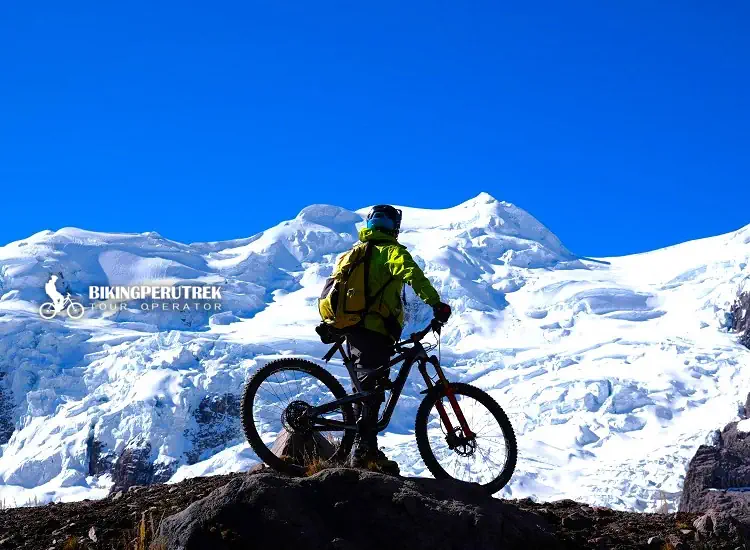
Whenever we go treking , I still remember the first time someone told me Peru was a cycling destination. I pictured llamas and ruins, not single-track. Turns out I had it completely wrong. Peru is one of those countries that feels almost unfair to other cyclists the Andes rise straight out of nowhere, cloud forest trails twist through villages that haven’t changed much in a century, and somehow you can be sweating in the jungle one day and shivering above 4,000 meters the next.
If you’ve been eyeing Adventure Cycling Peru as your next trip but aren’t quite sure where to start, that’s what this guide is for. No fluff, just the stuff a first-time rider actually needs to know before booking anything.
Full disclosure: a lot of what’s here comes from conversations with the folks at Biking Peru Trek, who’ve spent years figuring out which routes work for which riders and, just as importantly, which ones don’t.
Why Peru Actually Deserves the Hype
Everyone thinks of Machu Picchu first, and sure, it’s stunning. But that’s almost the least interesting thing about riding here. What makes Peru special is the sheer range packed into one country mountain passes over 4,000 meters, humid jungle trails down in the Amazon basin, dry coastal desert near Lima, and descents technical enough to humble riders who’ve been doing this for years.
That range is a big part of why Enduro Peru has quietly become a thing among riders in the know. You get the long grinding climbs, then a descent that’s fast, loose, and occasionally terrifying in the best way. If you’ve ridden enduro somewhere like the Alps or the Pacific Northwest, some of it will feel familiar. But the altitude changes everything thinner air, steeper pitches, and trail surfaces that go from packed dirt to loose scree without much warning.
That said, don’t let the enduro talk scare you off if you’re not that kind of rider. Plenty of routes here are built for people who just want a genuinely good Mountain Bike Vacation Peru without needing to send it off every ledge they see.
Planning Your First Trip: What Actually Matters
Timing is more important than people admit
Most riders don’t think much about season until they’re standing in ankle-deep mud on a trail that was supposed to be “moderate difficulty.” May through September is the dry season, and that’s when you want to go firmer trails, clearer skies, and views of the mountains that the wet months just don’t give you. Between November and March, things get muddy fast, and some higher passes become flat-out inaccessible. It’s no accident that most Mountain Bike Tours Peru operators book their calendars solid during the dry months.
Give your body time to adjust
Here’s the thing almost nobody takes seriously enough until it’s too late: altitude. Cusco alone sits around 3,400 meters, and a lot of the good trails climb well past that. Altitude sickness isn’t some rare edge case it happens, and it happens to fit people too. The smartest thing you can do is spend two or three days just hanging around Cusco or the Sacred Valley before you push yourself on a bike. It feels like wasted time until you realize it’s the reason you’re not throwing up on day two.
Figure out what kind of tour actually fits you
Peru’s cycling scene isn’t one-size-fits-all, and it helps to know your options before you book:
- Guided Mountain Bike Tours Peru – the obvious pick for first-timers. A local guide, a support vehicle trailing behind, someone handling bike maintenance, and route knowledge you simply can’t get from a map app.
- Self-guided routes – fine if you’ve done this kind of riding before and don’t mind sorting out mechanical issues or getting a little lost.
- Multi-day expeditions – cycling combined with camping or lodge stays, often moving through two or three completely different ecosystems over the course of a week.
If it’s your first time in the country, just go guided. It’s not about being overly cautious a good guide knows which corner has a blind drop, which stretch to slow down on before a storm rolls in, and where to stop so you actually remember the view later instead of just the burn in your legs.
What a Guided Tour with Biking Peru Trek Actually Looks Like
What I like about how Biking Peru Trek runs things is that they don’t just throw every rider onto the same trail and hope for the best. They actually ask questions first how much you’ve ridden, what kind of terrain you’re used to, whether you’ve dealt with altitude before and build from there. A typical setup includes something like:
- A conversation before the trip to figure out your actual fitness and experience level (not just what you claim on a form)
- Bikes that match the terrain full suspension for the rowdier descents, hardtail where it makes sense
- Guides who know the trails but also the wildlife and the local history, which honestly makes the ride better
- A support vehicle nearby in case something breaks or someone’s had enough for the day
- Places to stay that range from simple hostels to genuinely nice lodges, depending on your budget
- Itineraries that flex a bit because weather changes fast up there, and so does how your legs feel on day three
None of this sounds exciting on paper, but it’s the difference between a trip you remember fondly and one you spend mostly stressed about logistics. Riders who go with an established Mountain Bike Tours Peru operator tend to actually enjoy themselves more, mostly because someone else is handling the stuff that would otherwise eat up half their mental energy.
Where to Actually Ride
The Sacred Valley
This is where most people start, and for good reason. Moderate climbs, descents that pass right by Incan ruins, and easy access back to Cusco if you need a rest day or just want a decent meal. If you’ve never ridden at altitude before, this is the place to cut your teeth on Adventure Cycling Peru without biting off more than you can chew.
The Ausangate Circuit
Now if you’re after something with more bite, Ausangate is where things get serious. Passes here climb past 4,800 meters, and the scenery glaciers, turquoise lakes, alpacas wandering around like they own the place is honestly hard to describe without sounding like a travel brochure. This is the region riders specifically chasing Enduro Peru descents tend to gravitate toward, since the terrain can change completely within a few hundred meters.
The Amazon Basin
Need a break from thin air? Head toward Manu or Madre de Dios, where the trails run warm and humid through dense jungle. It’s a different kind of ride less about gnarly descents, more about the river beside you and the sounds coming from somewhere in the trees you can’t quite place. A completely different side of the country.
The Coastal Desert
Closer to Lima, there’s a stretch of open desert riding that couldn’t feel more different from the mountains fast, wide open, and much easier on the lungs since you’re barely gaining elevation. It’s a solid warm-up for anyone easing into a longer Mountain Bike Vacation Peru before the real climbing starts.
A Few Things Worth Packing (and Knowing)
- Layers, always. Mornings can be freezing and by noon you’re sweating. Altitude makes this worse, not better.
- Drink more water than feels necessary. Dehydration and altitude sickness feed off each other, so don’t wait until you’re thirsty.
- Break in your gear before you land. New shoes or padded shorts you’ve never worn are not something you want to discover mid-climb.
- Don’t race your guide on day one. Everyone wants to prove something the first morning. Resist it pacing over several days beats a strong first hour.
- Carry a basic repair kit anyway. Even with a support vehicle, sometimes you’re further from it than you’d like when a chain snaps.
So, Is This Safe for Beginners?
Honestly, yes as long as you don’t try to skip the prep work. Stick with Guided Mountain Bike Tours Peru instead of figuring it out solo, especially once altitude enters the picture. Operators like Biking Peru Trek take the time to gauge your fitness before you ever get on a bike, and they build the route difficulty around that. It sounds like a small thing, but it’s really what makes this approachable instead of intimidating.
Final Thoughts
Peru doesn’t go easy on riders who show up unprepared, but it’s incredibly generous to the ones who put in a little effort beforehand. Acclimatize, pick the right kind of tour, trust your guide and the payoff is hard to overstate. There aren’t many places on earth where you can ride glacier-fed mountain passes and Amazon jungle trails on the same trip. Whatever level you’re riding at, a Mountain Bike Tours Peru itinerary built around your actual fitness and goals is one of the best ways to experience this country, full stop.
If you’re ready to start putting a trip together, reach out to Biking Peru Trek they’ll help match you with routes that fit where you’re at, not where you wish you were.
Questions People Actually Ask Us
Do I need prior mountain biking experience to do this?
Not really. Biking Peru Trek, along with most other operators, has routes for beginners and separate, more technical ones for experienced riders. Just be honest about your fitness and skill level when booking it genuinely changes which trail you get matched with, and that’s for your own good.
When’s the best time to go?
May through September, hands down. Trails hold up better, skies stay clearer, and you actually get to see the mountains instead of a wall of fog. It’s why most Mountain Bike Tours Peru operators are booked solid during those months.
Is Enduro Peru harder than enduro riding elsewhere?
In some ways, yes. The trails themselves aren’t necessarily more technical, but the altitude adds a layer of difficulty most riders aren’t expecting. Even people with plenty of enduro experience elsewhere should give themselves time to acclimatize before hitting the steeper descents.
Are guided tours really worth the extra cost for a mountain bike vacation?
For a first trip, yes, without much hesitation. Trying to arrange logistics and navigate remote mountain routes on your own is a lot harder than it looks from home, and a guide removes most of that headache.
What should I actually pack?
Layers, a hydration setup, gear you’ve already broken in, sun protection, and a small repair kit. Most operators send over a packing list before you leave, so you’re not guessing.
Can I combine this with a trip to Machu Picchu or other trekking?
Definitely, and a lot of riders do exactly that. Biking Peru Trek can help piece together a combined itinerary if that’s what you’re after.
How seriously should I take altitude sickness?
Pretty seriously. It’s not just a minor inconvenience for some people it can genuinely ruin a trip. Spend a few days getting used to the elevation in Cusco or the Sacred Valley before you push into anything strenuous.