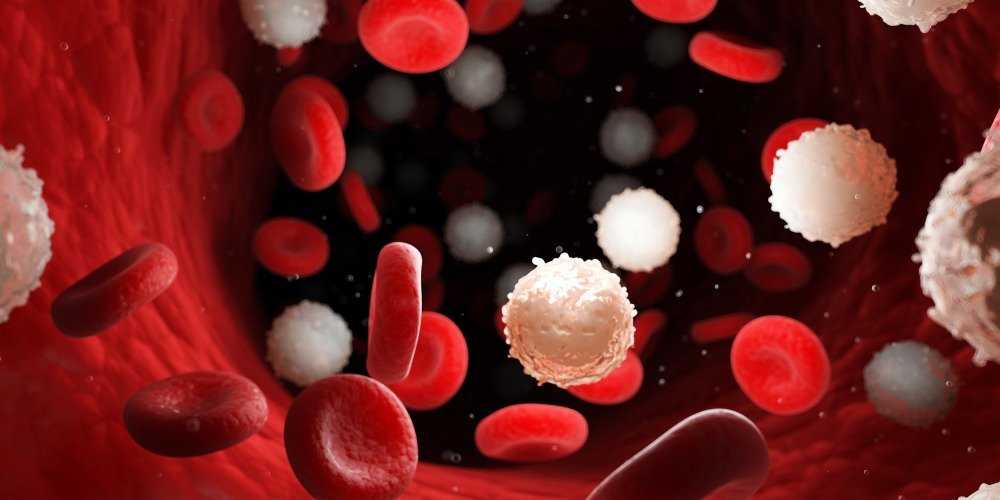
Anemia is a common health condition in which the blood does not have an adequate amount of healthy red blood cells or haemoglobin to carry oxygen effectively throughout the body. Because anemia can develop for different reasons, an appropriate medical assessment is important for understanding what may be contributing to changes in blood health.
For individuals searching for Anemia Dubai, understanding what happens during an anemia assessment can make it easier to prepare for a consultation. The assessment may involve a discussion of symptoms, medical history, physical examination, and blood tests. Depending on the findings, additional investigations may be considered to understand the underlying cause.
Dr. Barbara can assess symptoms associated with anemia and help patients understand the evaluation process, laboratory results, and appropriate next steps based on their individual health circumstances.
What Is Anemia?
Anemia occurs when the blood has insufficient healthy red blood cells or haemoglobin to meet the body’s oxygen-carrying needs. Haemoglobin is a protein found in red blood cells that carries oxygen from the lungs to tissues throughout the body.
There are several forms of anemia, and they can have different underlying causes. For example, iron deficiency can contribute to anemia, while vitamin deficiencies, certain medical conditions, blood loss, or changes in red blood cell production can also be involved.
Because anemia is not one single condition, identifying the underlying cause is an important part of medical assessment.
Common Symptoms of Anemia
The symptoms of anemia can vary depending on its cause and how quickly changes in blood health develop.
Common symptoms may include:
- Tiredness or reduced energy
- Weakness
- Headaches
- Dizziness
- Difficulty concentrating
- Shortness of breath during activity
- Feeling unusually cold
- Pale-looking skin
- Reduced ability to maintain normal physical activity
Some people may have only mild symptoms, while others may notice a greater effect on their everyday routine.
These symptoms can also occur with other health conditions, which is why a medical assessment can be useful when they persist or are unexplained.
Why an Anemia Assessment Is Important
Anemia is a finding that can have many possible explanations. Simply identifying a low haemoglobin level does not always explain why it has occurred.
An assessment helps a healthcare professional consider the individual’s symptoms, medical history, diet, medications, lifestyle, and laboratory results together.
The aim is to determine:
- Whether anemia is present
- What type of anemia may be involved
- Which factors could be contributing to it
- Whether additional testing is appropriate
- What type of management or monitoring may be suitable
This structured approach can help avoid treating a blood test result in isolation.
What Happens During an Anemia Consultation?
An anemia assessment generally begins with a detailed discussion between the patient and healthcare professional.
The healthcare professional may ask about symptoms and when they started. They may also ask whether symptoms have changed over time and how they affect everyday activities.
The consultation may include questions about:
- Energy levels
- Diet and eating patterns
- Previous blood test results
- Medical conditions
- Current medications and supplements
- Family medical history
- Menstrual history when relevant
- Previous episodes of anemia
- Digestive or other health symptoms
- Recent changes in general wellbeing
Providing accurate information can help the healthcare professional understand the wider health picture.
Reviewing Your Medical History
Medical history can provide useful clues during an anemia assessment.
The healthcare professional may review previous diagnoses, medications, surgeries, dietary patterns, and earlier blood tests. Family history may also be relevant because some blood-related conditions can occur within families.
Previous laboratory results can be particularly helpful when available. Comparing older and newer blood results may show whether a blood count has changed over time.
Patients should also mention any supplements they are currently taking, including iron or vitamin products, because this information can be relevant when interpreting laboratory results.
Physical Examination During Anemia Assessment
Depending on the symptoms and medical history, a healthcare professional may perform a physical examination.
The examination can include checking general appearance, pulse, blood pressure, and other vital signs. The healthcare professional may also assess areas relevant to the symptoms and medical history.
A physical examination does not diagnose every type of anemia by itself. Instead, it forms one part of the overall assessment alongside the patient’s history and laboratory findings.
Complete Blood Count for Anemia
A complete blood count, often called a CBC or full blood count, is commonly used when evaluating suspected anemia.
This blood test provides information about different blood cells and includes measurements relevant to red blood cells.
Important values may include:
- Haemoglobin
- Haematocrit
- Red blood cell count
- Mean corpuscular volume
- Other red blood cell measurements
These results can help a healthcare professional understand whether anemia is present and may provide clues about its characteristics.
The results are interpreted in combination rather than by looking at one measurement alone.
Understanding Iron Studies
When iron deficiency is suspected, additional blood tests may be recommended.
Iron studies can include measurements such as ferritin, serum iron, and transferrin-related markers. These tests provide information about the body’s iron stores and how iron is transported.
Ferritin is commonly used as an indicator of stored iron, although its interpretation can depend on the individual’s overall health and other factors.
A healthcare professional can explain which tests are appropriate based on the initial blood count and clinical assessment.
Vitamin Levels and Anemia
Certain vitamin deficiencies can contribute to particular types of anemia. Depending on the patient’s symptoms and blood test results, a healthcare professional may consider testing levels of vitamins such as vitamin B12 and folate.
This is different from Vitamin D Deficiency Dubai, which concerns inadequate vitamin D levels and is assessed through separate testing. Vitamin D plays an important role in bone and general health, while vitamin B12 and folate are particularly relevant to red blood cell production.
If several nutritional factors are being considered, a healthcare professional can determine which laboratory tests are appropriate.
Understanding Different Types of Anemia
Blood test patterns can help healthcare professionals classify anemia.
For example, red blood cells may be smaller than expected in some forms of iron deficiency, while other types of anemia may involve larger red blood cells.
The classification of anemia can provide clues about possible causes and help guide further investigation.
However, laboratory values must be interpreted within the context of the patient’s age, health history, symptoms, medications, and other test findings.
Investigating the Underlying Cause
Once anemia has been identified, the next step may be determining why it developed.
The cause may relate to nutritional factors, blood loss, changes in red blood cell production, absorption problems, or other medical conditions.
The appropriate investigation depends on the individual. A healthcare professional may recommend additional laboratory tests or other assessments based on the initial results.
This is why an anemia assessment is more than simply checking haemoglobin. Understanding the cause can help determine the most suitable approach to management.
The Role of Diet in Anemia Assessment
Diet can be relevant when evaluating anemia, particularly when nutritional deficiency is being considered.
During the consultation, a healthcare professional may ask about foods commonly included in the patient’s diet. Sources of iron include foods such as meat, seafood, beans, lentils, and fortified foods, while other nutrients involved in blood production can be obtained from a variety of foods.
Dietary assessment should be personalised because nutritional requirements vary between individuals.
If laboratory testing confirms a nutritional deficiency, the healthcare professional can discuss appropriate dietary adjustments or supplementation when necessary.
Anemia Assessment for Women
Women may have additional factors that are relevant during an anemia assessment.
For example, menstrual blood loss can be important when evaluating iron deficiency. A healthcare professional may ask about the frequency and duration of menstrual periods and whether there have been recent changes.
Pregnancy can also affect nutritional requirements and blood measurements, so pregnancy status may be relevant when planning an assessment.
Discussing these details openly can help provide a more complete understanding of the potential causes of anemia.
What Happens After Blood Tests?
Once laboratory results are available, the healthcare professional can review them alongside symptoms, medical history, and examination findings.
If anemia is confirmed, the results may help determine its likely type and possible cause. Additional tests may be recommended if the initial findings do not provide enough information.
The next steps can vary significantly from one individual to another. Some people may need nutritional guidance and repeat blood testing, while others may require additional investigation based on the underlying cause.
Monitoring Anemia Over Time
Follow-up testing can be useful for monitoring changes in blood counts and assessing how an individual responds to an appropriate management plan.
The timing of repeat testing depends on the type of anemia, the suspected cause, treatment approach, and individual health factors.
Keeping previous laboratory reports can make follow-up consultations more informative because the healthcare professional can compare current results with earlier measurements.
Preparing for an Anemia Consultation
Preparing information before an appointment can help make the assessment more efficient.
Consider bringing or noting:
- Previous blood test results
- Current medications
- Vitamins and supplements
- Dietary habits
- Relevant medical conditions
- Family health history
- Previous anemia diagnoses
- Details about symptoms and when they started
If blood tests are planned, ask the healthcare provider whether any preparation is required beforehand.
Anemia Assessment in Dubai
For people searching for Anemia Dubai, knowing what to expect during an assessment can make it easier to approach a medical consultation.
The assessment may include a detailed health history, discussion of symptoms, physical examination, complete blood count, and additional laboratory investigations when appropriate.
Dr. Barbara can review symptoms and blood test results and help patients understand whether further evaluation may be required. The assessment can be tailored according to individual health history, symptoms, lifestyle, and laboratory findings.
The objective is to establish a clearer understanding of the patient’s blood health and identify appropriate next steps.
Conclusion
Anemia can develop for many different reasons, so a thorough assessment is important for understanding whether anemia is present and what may be contributing to it. A medical evaluation can include a review of symptoms, personal and family medical history, physical examination, and laboratory testing.
For individuals searching for Anemia Dubai, understanding the assessment process can help them prepare for a consultation and know what information may be useful to discuss. A complete blood count is commonly used to evaluate red blood cells and haemoglobin, while iron studies, vitamin testing, and other investigations may be considered according to individual circumstances.
Dr. Barbara can help patients understand their symptoms, blood test findings, and appropriate follow-up. A personalised assessment allows anemia to be evaluated within the context of the person’s overall health rather than relying on a single laboratory measurement.
Frequently Asked Questions
What is anemia?
Anemia is a condition in which the blood has insufficient healthy red blood cells or haemoglobin to adequately carry oxygen throughout the body.
What are the common symptoms of anemia?
Symptoms may include tiredness, weakness, headaches, dizziness, difficulty concentrating, shortness of breath during activity, feeling cold, and reduced energy.
What blood test is used to diagnose anemia?
A complete blood count or full blood count is commonly used to assess anemia. It provides information about haemoglobin, red blood cells, and other blood components.
What is a ferritin test?
Ferritin is a blood test that can provide information about the body’s stored iron. It may be included when iron deficiency is being considered.
Can vitamin deficiencies cause anemia?
Yes. Certain nutritional deficiencies, including vitamin B12 and folate deficiency, can contribute to particular types of anemia. Testing may be recommended according to symptoms and initial blood results.
Is Vitamin D deficiency the same as anemia?
No. Vitamin D Deficiency Dubai relates to inadequate vitamin D levels, whereas anemia concerns healthy red blood cells or haemoglobin. They are assessed through different laboratory measurements.
Why does a doctor ask about diet during an anemia assessment?
Diet can provide information about nutritional intake, including iron, vitamin B12, folate, and other nutrients involved in normal blood production.
Can women experience anemia because of menstrual blood loss?
Menstrual blood loss can be relevant when evaluating iron deficiency. A healthcare professional may ask about menstrual patterns as part of the medical history when appropriate.
What should I bring to an anemia consultation?
Previous blood test results, a list of current medications and supplements, relevant medical history, family health information, and details about your symptoms can all be useful.
What happens after anemia is diagnosed?
The healthcare professional may review the blood results to determine the type and possible cause of anemia. Depending on the findings, additional testing, nutritional guidance, treatment, or follow-up blood tests may be considered.
When should I arrange an anemia assessment in Dubai?
If you have persistent unexplained tiredness, weakness, dizziness, changes in exercise tolerance, or other symptoms associated with anemia, discussing them with a healthcare professional can help determine whether blood testing or further evaluation is appropriate.
Can I discuss anemia with Dr. Barbara?
Yes. Dr. Barbara can assess symptoms, review relevant medical history and laboratory results, and explain appropriate next steps based on your individual circumstances.