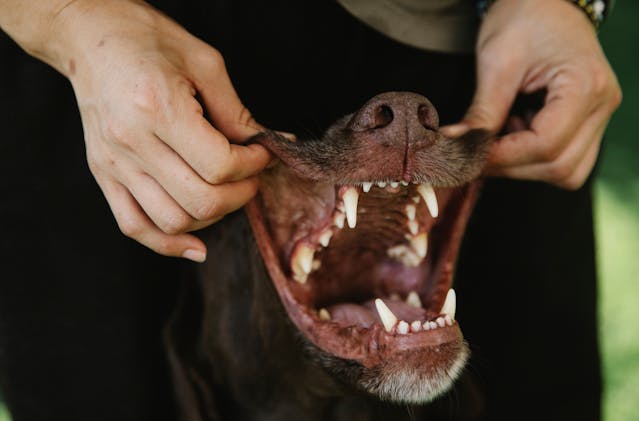
A bright smile is not just for people. Good oral health plays a big part in a pet’s life, too. Yet dental problems in dogs and cats can go unnoticed for a long time. Small signs such as bad breath or slow chewing may seem harmless at first. However, hidden issues inside the mouth can grow into painful conditions.
For pet owners looking into cat dental Topeka, KS, learning about dental disease is an important step toward better care. Healthy teeth and gums help pets eat well, stay active, and enjoy a better quality of life.
Why Do Dental Problems Develop in Pets?
Dental disease starts when plaque builds up on teeth. If plaque is not removed, it turns into tartar. Over time, tartar irritates the gums and creates a place for bacteria to grow.
Several factors can increase the risk:
- Poor dental hygiene
- Age-related tooth wear
- Soft food diets without enough chewing
- Crowded or misaligned teeth
- Genetic traits in some breeds
Once bacteria settle below the gum line, damage can spread beyond what owners can see. A pet may appear healthy while disease continues beneath the surface.
Are Bad Teeth Just a Mouth Problem?
A common belief is that dental disease only affects the mouth. In reality, bacteria from infected gums can enter the bloodstream and travel through the body.
This can place stress on important organs such as:
- The heart
- The kidneys
- The liver
Gum infections may also cause chronic pain. Pets rarely show pain in obvious ways. Instead, they may eat less, chew on one side, drop food, or lose interest in toys. Some animals continue eating despite severe discomfort, which can make problems harder to spot.
Regular checkups and pet teeth cleaning in Topeka, KS can help detect concerns before they become serious.
What Signs Should Pet Owners Watch For?
Dental disease can progress slowly. Early signs are easy to miss, so close attention is important.
Look for symptoms such as:
1. Bad Breath: A strong smell from the mouth is one of the first warning signs. Fresh breath is not expected, but a foul odor may point to infection or heavy tartar buildup.
2. Red or Swollen Gums: Healthy gums should look pink. Redness, swelling, or bleeding can signal gum disease.
3. Trouble Eating: Pets with dental pain may chew slowly, avoid hard food, or leave food behind.
4. Loose or Missing Teeth: Advanced disease can weaken the structures holding teeth in place.
5. Excess Drooling: More saliva than normal may indicate discomfort inside the mouth.
Pet owners seeking cat dental care in Topeka, KS, should not ignore these symptoms. Early care can prevent larger health concerns later.
Can Professional Dental Care Prevent Serious Issues?
Yes. Professional dental care plays a key role in protecting a pet’s health. Home brushing helps, but it cannot replace a full dental exam and cleaning performed by veterinary professionals.
During a professional cleaning, the dental team can:
- Remove tartar above and below the gum line
- Check for hidden infections
- Identify damaged or loose teeth
- Take dental X-rays when needed
- Create a treatment plan for future care
These steps help stop the disease before it spreads. Regular pet teeth cleaning in Topeka, KS, gives veterinarians a chance to find issues early and improve long-term health outcomes.
How Can Owners Protect Their Pets at Home?
Daily habits make a big difference. Good dental care does not need to be complicated.
Brush Teeth Regularly
Use pet-safe toothpaste and a toothbrush made for animals. Even a few brushings each week can help reduce plaque.
Offer Dental-Friendly Products
Dental chews, approved toys, and special diets may help keep teeth cleaner between visits.
Schedule Routine Exams
Veterinary checkups allow professionals to monitor oral health and catch concerns before they grow.
Watch for Changes
Pay attention to eating habits, breath, and gum appearance. Small changes can provide important clues.
Families interested in cat dental care in Topeka, KS, should also ask their veterinarian about personalized dental plans based on age, breed, and health history.
Why Is Early Treatment So Important?
Dental disease does not fix itself. Waiting can lead to more pain, tooth loss, infections, and higher treatment costs. Early care is simpler and helps pets avoid unnecessary discomfort.
A pet with a healthy mouth can eat more comfortably, maintain proper nutrition, and enjoy daily activities with less pain. Preventive care is always easier than treating advanced disease.
Final Thought
Dental disease in pets is far more serious than many owners realize. What starts as plaque and tartar can develop into painful infections and health problems affecting the entire body. Paying attention to early warning signs, scheduling routine exams, and investing in pet teeth cleaning in Topeka, KS can protect a pet’s well-being for years to come. Healthy teeth and gums are not just about appearance. They are a vital part of a pet’s overall health.