Microbiological testing plays a critical role in industries such as pharmaceuticals, biotechnology, food and beverage, healthcare, environmental monitoring, and research laboratories. One of the most important tasks in microbiology is the accurate counting of microbial colonies grown on agar plates. Traditionally, this process has been performed manually, requiring laboratory personnel to visually inspect and count colonies one by one. While effective, manual counting is time-consuming, labor-intensive, and susceptible to human error.
The introduction of the Automatic Colony Counter has transformed microbiological testing by providing a faster, more accurate, and highly efficient method for colony enumeration. Laboratories worldwide are increasingly adopting automated systems to improve productivity, ensure consistency, and comply with stringent quality standards. By automating the colony counting process, organizations can significantly enhance laboratory efficiency while maintaining reliable results.
What Is an Automatic Colony Counter?
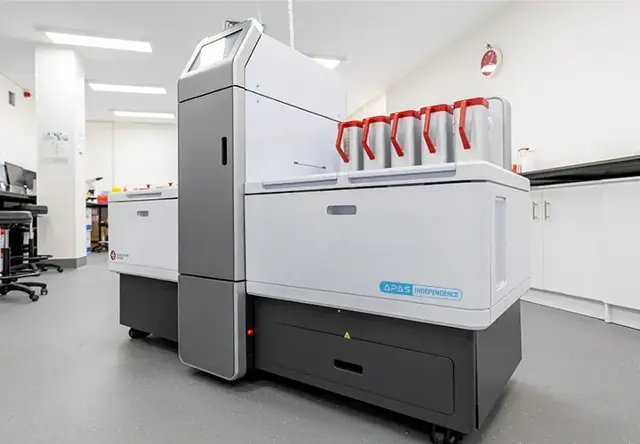
An Automatic Colony Counter is a laboratory instrument designed to automatically detect, count, and analyze microbial colonies on agar plates using advanced imaging technology and intelligent software algorithms. The system captures high-resolution images of culture plates and processes them to identify and count colonies with remarkable accuracy.
Unlike manual counting methods, automated systems can distinguish between overlapping colonies, identify colony size variations, and generate detailed analytical reports. This advanced functionality helps laboratories improve data accuracy and reduce the time required for microbial analysis.
The Importance of Colony Counting in Microbiology
Colony counting is a fundamental aspect of microbiological testing. It helps determine the concentration of microorganisms in samples and supports quality control, contamination monitoring, and product safety evaluations.
Accurate colony counting is essential for:
- Pharmaceutical quality control
- Environmental monitoring programs
- Food safety testing
- Water quality assessment
- Clinical microbiology applications
- Research and development studies
- Sterility testing procedures
Because microbial testing results often influence product release decisions and regulatory compliance, laboratories require highly reliable counting methods. An Automatic Colony Counter provides the consistency and precision needed for these critical applications.
Challenges of Manual Colony Counting
Although manual colony counting has been widely used for decades, it presents several limitations that can affect laboratory productivity and accuracy.
Time-Consuming Process
Counting hundreds of colonies across multiple plates can take significant time, especially in high-volume testing environments. Laboratory staff must dedicate substantial effort to routine counting tasks.
Human Error
Fatigue, distractions, and subjective interpretation can lead to inconsistent results. Different technicians may count the same plate differently, creating variability in data.
Limited Throughput
Manual methods restrict the number of samples that can be processed within a given timeframe, slowing laboratory operations.
Documentation Challenges
Recording and managing count data manually increases the risk of transcription errors and can complicate audit trails.
These challenges highlight the need for automated solutions that improve efficiency while maintaining data integrity.
How an Automatic Colony Counter Enhances Productivity
The primary advantage of an Automatic Colony Counter is its ability to dramatically increase laboratory productivity. Automated systems streamline the colony counting process and enable faster decision-making.
Rapid Analysis
Automated instruments can count colonies within seconds, significantly reducing analysis time compared to manual methods. This allows laboratories to process more samples in less time.
Increased Throughput
High-throughput laboratories benefit from the ability to analyze large numbers of plates quickly. This improved workflow helps meet demanding testing schedules and production requirements.
Reduced Labor Requirements
By automating routine counting tasks, laboratory personnel can focus on more complex analytical activities, improving overall operational efficiency.
Consistent Results
Automated counting eliminates much of the variability associated with manual counting, ensuring reproducible and reliable data across different operators and testing sessions.
Advanced Features of Modern Automatic Colony Counters
Today’s Automatic Colony Counter systems offer a range of sophisticated features designed to maximize accuracy and productivity.
High-Resolution Imaging
Advanced cameras capture detailed images of microbial colonies, enabling precise detection and analysis.
Intelligent Software Algorithms
Modern systems use advanced image processing technology to identify colonies accurately, even when colonies overlap or vary in size.
Automatic Data Storage
Results can be stored electronically, simplifying record management and supporting regulatory compliance requirements.
Colony Classification
Many systems can categorize colonies based on size, color, or morphology, providing additional analytical insights.
Customizable Parameters
Users can adjust counting settings to accommodate different microbial species, agar types, and testing protocols.
Reporting Capabilities
Automated report generation simplifies documentation and helps laboratories maintain complete audit trails.
Applications Across Industries
The versatility of the Automatic Colony Counter makes it valuable in numerous industries and testing environments.
Pharmaceutical Industry
Pharmaceutical manufacturers use automated colony counters for environmental monitoring, microbial limit testing, sterility testing, and contamination control. Accurate microbial enumeration supports compliance with GMP requirements and quality assurance programs.
Food and Beverage Industry
Food producers rely on microbial testing to ensure product safety and quality. Automated counting helps laboratories rapidly detect contamination and maintain regulatory compliance.
Environmental Monitoring
Environmental laboratories use colony counting to assess microbial contamination in air, water, and surface samples. Automated systems improve testing efficiency and data accuracy.
Healthcare and Clinical Laboratories
Clinical microbiology laboratories utilize automated counting systems to support microbial identification and infection monitoring activities.
Research Institutions
Universities and research centers benefit from faster microbial analysis, allowing scientists to focus on experimental design and data interpretation rather than manual counting tasks.
Improving Accuracy and Compliance
Regulated industries require highly accurate and traceable microbiological testing results. An Automatic Colony Counter supports compliance by reducing operator-dependent variability and improving data integrity.
Electronic record management features help laboratories meet documentation requirements associated with Good Manufacturing Practices (GMP), Good Laboratory Practices (GLP), and other regulatory standards. Automated systems also provide consistent methodologies that enhance result reproducibility and audit readiness.
By minimizing manual intervention, laboratories can reduce the risk of errors and ensure greater confidence in test results.
Cost Savings Through Automation
Although investing in an Automatic Colony Counter requires an initial expenditure, the long-term financial benefits are substantial.
Key cost-saving advantages include:
- Reduced labor costs
- Increased sample processing capacity
- Lower risk of counting errors
- Improved operational efficiency
- Faster turnaround times
- Enhanced regulatory compliance
- Reduced need for repeat testing
These benefits contribute to a strong return on investment and make automated colony counting an attractive solution for laboratories of all sizes.
Future Trends in Colony Counting Technology
As laboratory automation continues to evolve, colony counting systems are becoming even more sophisticated. Emerging technologies include artificial intelligence, machine learning, cloud-based data management, and advanced image recognition capabilities.
Future Automatic Colony Counter systems are expected to deliver even higher levels of accuracy, faster processing speeds, and seamless integration with laboratory information management systems (LIMS). These innovations will further enhance laboratory productivity and support increasingly complex microbiological testing requirements.
Conclusion
The Automatic Colony Counter has become an essential tool for modern microbiology laboratories seeking greater efficiency, accuracy, and productivity. By eliminating the limitations of manual counting, automated systems enable laboratories to process more samples, generate reliable results, and maintain regulatory compliance with ease.
From pharmaceutical manufacturing and food safety testing to environmental monitoring and research applications, the Automatic Colony Counter delivers significant operational advantages. As automation technologies continue to advance, these systems will play an even more important role in supporting high-quality microbiological testing and helping laboratories meet the growing demands of today’s scientific and regulatory environments.