Healthy hooves are the foundation of a horse’s overall soundness, performance, and comfort. However, hoof care is not the same throughout the year. Seasonal changes directly affect hoof moisture levels, growth rate, and susceptibility to diseases. That’s why understanding seasonal hoof care practices is essential for every horse owner and farrier.
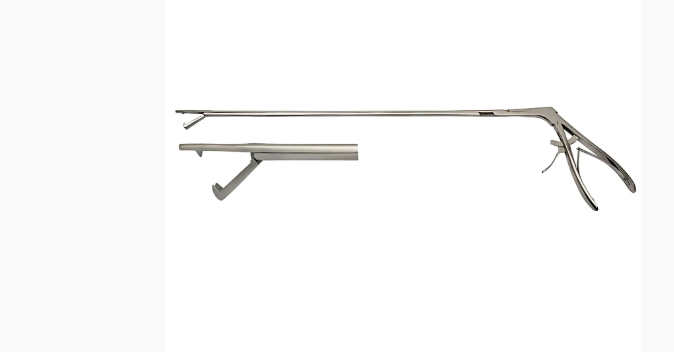
Proper management, regular inspections, and the correct use of professional farrier tools during maintenance play a key role in keeping hooves strong and disease-free all year round.
Spring Hoof Care: Managing Moisture and Rapid Growth
Spring brings increased moisture, rain, and softer ground conditions. During this season, hooves tend to grow faster but also become more prone to bacterial infections.
Key Practices:
- Increase frequency of hoof cleaning to remove mud and debris
- Watch for early signs of thrush due to wet conditions
- Schedule regular trimming as hoof growth accelerates
- Ensure balanced nutrition to support healthy horn growth
Common Risks:
- Soft, weakened hoof walls
- Fungal and bacterial infections
- Uneven hoof wear due to muddy terrain
Spring is a critical time to maintain consistent farrier visits to prevent long-term hoof imbalance.
Summer Hoof Care: Preventing Dryness and Cracks
Hot weather and dry ground conditions in summer can lead to dehydrated hooves. This often results in cracks and brittleness if not managed properly.
Key Practices:
- Keep hooves moisturized using appropriate hoof conditioners
- Avoid prolonged exposure to extremely dry or rocky surfaces
- Provide adequate hydration and electrolyte balance
- Monitor hoof temperature after intense activity
Common Risks:
- Cracked hoof walls
- Reduced elasticity
- Hoof sensitivity on hard ground
Summer care focuses on maintaining hoof flexibility and preventing dehydration damage.
Autumn Hoof Care: Preparing for Seasonal Transition
Autumn is a transitional season where moisture levels start increasing again, and temperature fluctuations can affect hoof stability.
Key Practices:
- Maintain consistent trimming schedules
- Clean hooves after wet walks or pasture time
- Check for early signs of hoof infections returning with moisture
- Strengthen hoof structure through balanced diet
Common Risks:
- Mixed conditions causing uneven hoof wear
- Early fungal infections
- Loose or weakened hoof walls
This season is all about preparation for the upcoming winter stress period.
Winter Hoof Care: Protecting Against Hard and Frozen Ground
Winter conditions such as frozen soil, snow, and mud can be extremely challenging for hooves. Lack of proper care can lead to serious structural issues.
Key Practices:
- Regular cleaning to remove ice, snow, and mud buildup
- Reduce exposure to frozen or slippery ground when possible
- Maintain routine farrier visits despite cold weather
- Monitor hoof dryness inside stables
Common Risks:
- Hoof contraction and reduced blood flow
- Ice buildup causing imbalance
- Increased risk of cracks in dry winter air
Winter care is focused on protection and maintaining circulation within the hoof.
Importance of Regular Farrier Care Across All Seasons
Regardless of the season, consistent farrier care is essential for maintaining hoof balance and preventing long-term damage. Seasonal changes only increase the need for timely trimming and inspection.
A professional farrier ensures:
- Proper hoof alignment
- Removal of overgrown or damaged hoof wall
- Prevention of lameness and structural issues
Neglecting regular care can quickly lead to chronic hoof problems that affect the horse’s entire musculoskeletal system.
Conclusion
Maintaining healthy horse hooves requires a season-specific approach. Each season presents unique challenges—whether it’s moisture in spring, dryness in summer, or freezing conditions in winter. With proper care routines and regular farrier attention, horse owners can ensure long-term hoof health, comfort, and performance.
Consistent monitoring and the correct tools for farriers during maintenance help ensure precision in trimming and overall hoof balance throughout the year.