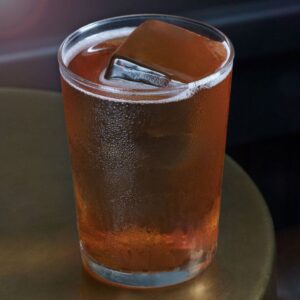
For decades, rum has been typecast as the ultimate party spirit. It is the backbone of tropical beach vacations, the fuel for late-night Tiki drinks, and the reliable companion to a splash of cola. But if your perception of this spirit is stuck in a blender with crushed ice and strawberry puree, you are missing out on one of the most sophisticated, complex spirits in the world.
There is a quiet revolution happening on back bars and home shelves alike. Spirits enthusiasts are putting down the cocktail shakers and picking up neat glasses to discover a simple truth: premium aged rum is not just a mixer; it is a world-class sipping experience that rivals the finest single malts and vintage cognacs.
The Metamorphosis: From Sugar Cane to Liquid Gold
To appreciate the maturity of the spirit, we have to look at how it transforms. Unlike whiskey, which relies on grain, this spirit begins its life with sugar cane, either fresh cane juice or rich molasses. In its youth, unaged white varieties are vibrant, sharp, and intensely grassy or sweet.
But when you introduce that spirit to a charred oak barrel and let it sit for five, twelve, or even twenty-five years, magic happens. The wood tames the wild, fiery properties of the young alcohol. Year after year, the liquid breathes through the staves of the barrel, absorbing compounds from the wood while evaporation concentrates the flavors.
Because many producers age their stock in ex-bourbon barrels, sherry casks, or port pipes, the liquid pulls deeply from the history of those previous occupants. What goes into the barrel as a fiery, transparent spirit emerges as a complex, dark amber masterpiece.
Demystifying the Labels: Age vs. Artificial Color
Before diving into a glass, it is crucial to understand what you are actually buying, because marketing can be deceptive. A common misconception is that any bottle with a deep, dark amber hue has spent decades in a barrel. This brings us to a critical distinction in the spirits world: why aged rum is better than dark rum.
Many generic “dark” options on the bottom shelf achieve their color and heavy sweetness simply through the addition of artificial caramel coloring and sugar syrups after distillation. They are designed to cut through heavy mixers, not to be savored. They lack structure, balance, and authenticity.
True, premium versions, however, earn every single drop of their color and character honestly from the barrel.
- Authentic Aging: The deep hue comes entirely from years of interaction with charred oak staves.
- The Tropical Accelerator: Most of these spirits are aged in tropical climates like the Caribbean. The intense heat and humidity cause the barrels to expand and contract rapidly, accelerating the interaction between wood and liquid. One year of aging in Jamaica or Barbados can impart the same complexity as three years in a cold Scottish warehouse.
Pro Tip: Look for bottles with a specific age statement (e.g., “12 Years Old”) rather than vague descriptors like “Anejo” or “Dark.” This ensures you are paying for actual time spent in the wood, not food coloring.
Exploring the Aged Rum Flavor Profile
When you pour a glass of well-matured spirit neat or with a single, slow-melting ice cube, you unlock a symphony of taste. The typical aged rum flavor profile is incredibly broad, shifting dramatically depending on the country of origin and the distillation method.
The Spanish Style (Cuba, Puerto Rico, Dominican Republic)
These are typically column-distilled, making them light, elegant, and smooth. On the palate, you will find delicate notes of vanilla, toasted almond, buttery caramel, and a smooth, clean finish. They are incredibly approachable for beginners.
The British Style (Jamaica, Barbados, Guyana)
If you want something bold and muscular, this is your destination. Often distilled in traditional pot stills, these spirits are heavy, aromatic, and rich. Jamaican varieties are famous for “funk”—a distinct, wildly complex flavor note reminiscent of overripe bananas, pineapple, and leather. From Barbados, you will experience a perfect balance of oaky spice, dark chocolate, and dried fruits.
The French Style (Martinique, Guadeloupe)
Known as Rhum Agricole, these are distilled directly from fresh sugar cane juice rather than molasses. When aged, they offer a fascinating, earthy flavor profile. Expect a combination of herbal, grassy notes intermingled with baking spices, French oak, and a dry, wine-like finish.
How to Join the Sipping Movement
Ready to transition from the cocktail shaker to the sipping glass? Treat it with the same respect you would show a fine Scotch.
Choose a glass with a tapered opening, like a Glencairn or a small snifter, which concentrates the aromas. Don’t rush into it; let the liquid sit in the glass for a few minutes to open up. Take a small sip to let your palate adjust to the alcohol, and then take a second sip to let the waves of vanilla, tobacco, spice, and oak wash over your tongue.
The world of spirits is vast, but few categories offer the sheer warmth, historical depth, and value for money that you find in a properly matured bottle of cane spirit. It is time to elevate your shelf.