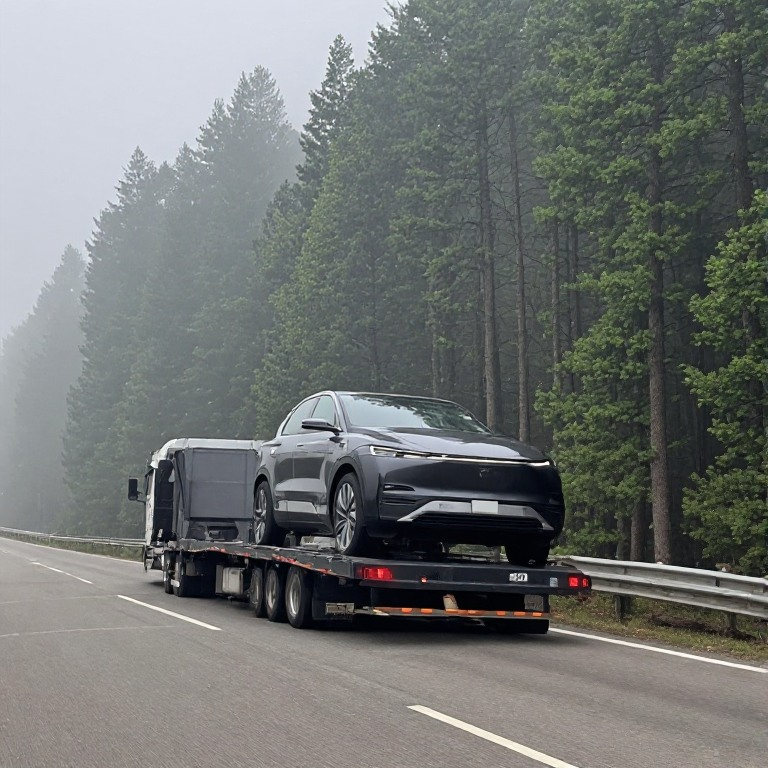
Buying a vehicle online can open up a much larger marketplace than the one available in your hometown. A buyer in Florida might find the right SUV in Texas, while someone in Oregon could purchase a classic vehicle from a seller in California. Once the purchase is complete, however, one practical question remains: How will the vehicle get home?
This is where auto transport companies can become part of the buying process. Instead of traveling to the seller and driving the vehicle back yourself, you can arrange professional transportation between the seller’s location and your destination.
The process is relatively straightforward, but understanding the steps beforehand can make the experience much easier.
The Purchase Is Only Half the Journey
Finding a vehicle online is often the exciting part. You compare photos, specifications, history reports, prices, and seller information before deciding to proceed.
Transportation comes after the purchase.
A buyer might have several options:
- Fly to the seller’s location and drive home.
- Ask someone they know to collect the vehicle.
- Hire a professional driver.
- Arrange vehicle transportation with a carrier.
For a vehicle located hundreds or thousands of miles away, professional transportation can remove the need for a separate long-distance road trip.
It also allows the buyer to organize their travel independently from the vehicle’s journey.
Step One: Confirm the Vehicle and Pickup Details
Before arranging transportation, make sure the vehicle is actually ready for collection.
Important information can include:
- Seller’s complete pickup location
- Vehicle year, make, and model
- Vehicle identification information
- Running or non-running condition
- Vehicle dimensions if unusual
- Seller’s availability
- Destination address
- Preferred pickup timeframe
The vehicle’s condition is especially important.
A standard running sedan is handled differently from a non-running automobile that requires special loading equipment. Telling the transportation provider about the vehicle’s actual condition helps avoid complications when the carrier arrives.
Step Two: Decide How You Want It Transported
Online vehicle buyers aren’t limited to one transportation method.
- Open Carrier
Open transport is widely used for everyday vehicles. Several vehicles can travel together on a carrier, making this a common choice for sedans, SUVs, pickups, and similar automobiles.
- Enclosed Carrier
Enclosed transport places vehicles inside a covered trailer. Buyers purchasing classic cars, luxury vehicles, exotic automobiles, or collectibles may prefer this option because it provides additional protection from outdoor road exposure.
The decision should be based on the vehicle, route, budget, condition, and desired level of protection.
Step Three: Understand the Quote
Price is naturally important, but the cheapest number isn’t necessarily the most useful comparison.
A vehicle transportation quote can be affected by factors such as:
| Factor | Why It Can Matter |
| Distance | Longer routes generally involve more transportation resources |
| Vehicle size | Larger vehicles occupy more carrier space |
| Vehicle condition | Non-running vehicles may require special equipment |
| Transport type | Open and enclosed options can differ |
| Route | Availability and demand can vary |
| Timing | Seasonal demand can affect scheduling |
| Pickup location | Accessibility can influence arrangements |
When comparing auto transport companies, make sure you understand what the quoted service includes rather than comparing numbers without context.
Step Four: Coordinate With the Seller
This is one of the most important parts of an online vehicle purchase.
The seller needs to know when the carrier will arrive. The transportation provider needs accurate information about where and when the vehicle can be collected.
A simple communication chain can prevent unnecessary delays:
Buyer → Seller → Transport Provider → Carrier
If the seller works during the day or the vehicle is stored at a dealership or auction facility, pickup hours may be restricted.
Confirm those details before scheduling.
What Happens on Pickup Day?
When the carrier arrives, the vehicle’s condition is generally documented before loading.
The driver may inspect the exterior and record existing damage. Buyers should encourage sellers to participate in this process and retain appropriate documentation.
Photographs can also be useful.
The vehicle is then loaded onto the carrier according to the transportation method selected.
Once the car is in transit, the buyer can focus on preparing for its arrival rather than arranging a cross-country drive.
Don’t Assume Every Address Is Carrier-Friendly
A seller might live on a narrow residential street, while the buyer’s destination could have similar access limitations.
Large auto transport trucks need room to maneuver safely.
If the exact pickup or delivery address cannot accommodate the carrier, a nearby accessible location may be necessary.
This is especially relevant when buying vehicles from urban neighborhoods, apartment complexes, rural roads, or locations with restrictions.
Discussing access before pickup can help everyone understand where the vehicle will actually change hands.
The Delivery Is the Final Checkpoint
When the vehicle arrives, the buyer should inspect it before completing the delivery process.
Compare the vehicle against the condition documentation from pickup. Look at the exterior carefully and check areas where existing damage was recorded.
The delivery process and paperwork can vary by transportation provider, so customers should follow the instructions supplied for their shipment.
Taking a few minutes for inspection can provide useful documentation and help resolve questions promptly if something doesn’t match the original condition record.
Where Rapid Auto Shipping Fits
Rapid Auto Shipping helps customers transport vehicles purchased from distant locations across the United States.
The company offers open and enclosed transportation, door-to-door service, insured shipping, and real-time shipment updates. Customers can provide vehicle information, pickup details, destination, and preferred timing to arrange transportation.
This can be useful for online purchases involving:
- Private sellers
- Dealerships
- Auctions
- Out-of-state vehicle purchases
- Specialty automobiles
- Remote buyers and sellers
Customers can also request a free instant quote before arranging transportation.
A Simple Example
Imagine you live in Pennsylvania and discover a used SUV in Arizona.
The vehicle is exactly what you’re looking for, but driving it home would require a multi-day journey across the country.
After completing the purchase, you provide the transportation company with the seller’s location, your destination, vehicle details, and desired timeframe.
The carrier coordinates pickup with the seller. The vehicle is inspected, loaded, transported toward Pennsylvania, and delivered according to the agreed arrangements.
You don’t have to fly to Arizona just to begin the vehicle’s journey.
That’s one of the practical advantages of professional transportation when purchasing online.
Five Questions Buyers Should Ask Before Booking
Before selecting a transportation provider, ask:
- Is the vehicle insured during transportation?
Understand the applicable coverage and documentation.
- Can you collect the vehicle from the seller’s location?
Confirm that the address is accessible to the carrier.
- Does the quote include the services I need?
Clarify transportation type, pickup, delivery, and any additional requirements.
- Can you transport a non-running vehicle?
If the purchased car doesn’t operate, disclose that before receiving a quote.
- How will I receive shipment updates?
Know how you’ll communicate with the provider while the vehicle is traveling.
Buying Online Doesn’t Have to Mean Driving Across the Country
An online vehicle purchase can give buyers access to cars far beyond their local market, but distance shouldn’t be ignored when calculating the practical side of the purchase.
Auto transport companies can bridge that gap by moving the vehicle separately from its new owner. From coordinating with the seller to documenting the vehicle at pickup and delivery, understanding the transportation process helps buyers prepare for each stage.
For customers purchasing vehicles hundreds or thousands of miles away, professional transportation can turn a complicated collection trip into a more organized part of the buying experience.
Frequently Asked Questions
- Can auto transport companies pick up a vehicle from a private seller?
Yes. Private-party vehicle purchases can often be transported when the seller can coordinate a suitable pickup time and location.
- Can I ship a vehicle purchased from an online auction?
Many auction purchases can be transported, but pickup requirements and operating hours should be confirmed before scheduling.
- Does the seller need to be present?
Someone authorized to release the vehicle generally needs to coordinate the handoff. Exact requirements depend on the seller and transportation provider.
- Is enclosed transportation necessary for a newly purchased car?
Not necessarily. Open transport is commonly used for standard vehicles. Enclosed transportation may be considered for specialty or high-value automobiles.
- Can the vehicle be delivered directly to my home?
Door-to-door service can bring the vehicle close to the requested destination when road and access conditions permit. A nearby meeting location may be necessary when the carrier cannot safely access the address.