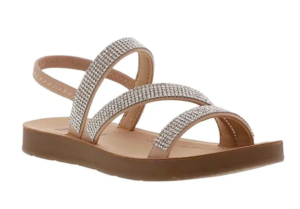
Buy Kids Sandals: How to Choose Comfortable Sandals for Everyday Wear
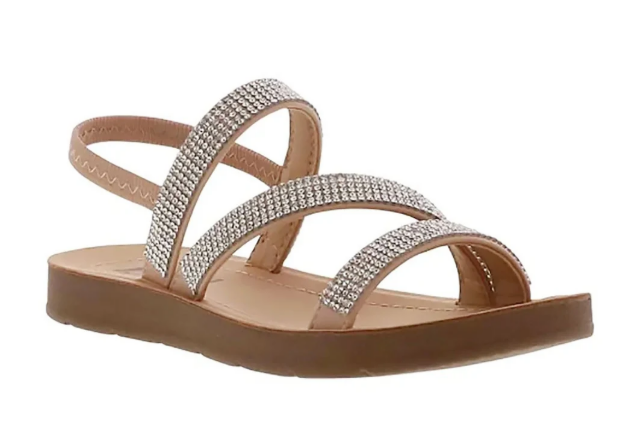
Choosing footwear for children can take more thought than it seems. Kids are constantly moving, whether they are running around the playground, walking to school, visiting relatives, or spending time outdoors during the holidays. Their footwear needs to keep up with all that activity without feeling uncomfortable or getting in the way. This is one reason many parents look for sandals that are easy to wear, practical, and suitable for different occasions.
When you plan to buy kids sandals, it helps to look beyond colours and designs. A pair may look attractive on a shelf, but the fit, sole, material, and fastening system are just as important. Children need footwear that feels secure while allowing them to walk and play naturally. Taking a little time to compare these details can make shopping easier and help you find a pair your child will actually enjoy wearing.
Why Sandals Are a Useful Choice for Children
Sandals are a popular option for everyday wear, particularly during warmer months. Their open design can allow more airflow around the feet than many closed shoes, which may feel more comfortable in hot weather. They are also generally easy to put on and remove, making them convenient for children who are still learning to manage their own footwear.
For family outings, casual walks, holidays, and relaxed outdoor activities, sandals can be a practical alternative to sneakers. Some styles are designed for everyday use, while others are better suited to the beach, garden, or poolside.
Of course, sandals are not ideal for every situation. Activities that involve running on rough ground, cycling, or playing sports may require closed shoes with additional protection. Thinking about where your child will wear the sandals can help you choose a suitable design.
Check the Fit Before Choosing a Design
A comfortable fit should be one of the first things you consider when shopping for children’s sandals. Children do not always notice or explain discomfort straight away, so it is worth checking the fit yourself.
The sandals should provide enough room for the toes without allowing the feet to slide around excessively. The heel should sit comfortably within the footbed, and the straps should hold the foot in place without digging into the skin.
Avoid buying sandals that are much too large simply because your child will grow into them. Extra space may cause the feet to move around, making walking less comfortable. At the same time, a pair that is too tight can create pressure and rubbing.
If you are shopping online, measure your child’s feet and compare the measurements with the brand’s size chart. Sizing can vary between manufacturers, so relying only on the usual shoe size may not always give you the right result.
Look for Materials That Feel Comfortable
The material used in children’s sandals can affect how they feel during daily use. Soft, flexible materials are often a sensible choice because they can reduce the likelihood of uncomfortable rubbing around the toes and straps.
Fabric sandals may feel light and casual, while synthetic materials are often easy to wipe clean. Some sandals feature leather or leather-like uppers, which can work well for everyday outfits and slightly dressier occasions.
Pay attention to the inside of the sandal as well as the outer material. Rough seams, stiff edges, or poorly finished straps can irritate the skin, especially when children wear their sandals for several hours.
For warm weather, consider designs that allow airflow and do not trap too much heat. If your child has sensitive skin, check how the straps sit against the feet and watch for signs of redness after the first few wears.
Choose a Sole With Reliable Grip
Children rarely walk slowly everywhere they go. They may move from tiled floors to pavements, playground paths, grassy areas, and other surfaces within a single afternoon. A sandal with a suitable outsole can help provide better traction during these everyday activities.
Look for a sole that feels stable and has a tread pattern appropriate for its intended use. Extremely smooth soles may not be suitable for slippery surfaces, while very stiff soles can make walking feel awkward.
Flexibility is another detail worth checking. A sandal should bend naturally where the foot moves, without folding too easily or feeling flimsy. The right balance depends on the sandal’s design and the activities it is made for.
Remember that ordinary casual sandals are not a replacement for specialised footwear when an activity requires extra protection or support.
Consider Adjustable Straps and Easy Fastenings
Getting children ready to leave the house can sometimes take longer than expected. Sandals with simple fastenings can make the process easier, particularly for younger children who are learning to dress independently.
Hook-and-loop straps are popular because they can be adjusted quickly and are relatively easy for children to manage. Buckle fastenings may provide a more traditional appearance, while slip-on designs can be convenient for short trips and casual use.
The important thing is that the sandal stays securely on the foot. If the straps are too loose, the foot may slide forward. If they are too tight, they can cause discomfort.
For younger children, check whether the fastening is easy for them to operate without compromising the fit. A design that combines convenience with a secure hold can be useful for school holidays, family outings, and everyday wear.
Pick a Style That Matches Your Child’s Routine
Appearance matters, especially when children have their own ideas about what they want to wear. Bright colours, favourite patterns, and simple designs can all make sandals more appealing. However, it is helpful to match the style to the child’s routine rather than choosing based on looks alone.
For everyday wear, lightweight sandals in neutral or versatile colours may go with shorts, jeans, dresses, and casual outfits. Colourful designs can be a fun option for holidays and weekend activities. For family gatherings, a cleaner, more structured design may be appropriate.
Think about how often the sandals will be worn and how easily they can be cleaned. A pair used daily may need more durable materials than one reserved for occasional outings.
Letting children help choose between a few suitable options can also make the process easier. They get to express their preferences, while you can focus on fit, comfort, and practical features.
Easy Ways to Maintain Kids Sandals
Children’s footwear can become dirty quickly, particularly during outdoor play. Dust, food spills, mud, and moisture can all affect the appearance and condition of sandals.
Fortunately, basic care usually does not require much effort. Wipe away dirt with a soft cloth and use a mild cleaning method appropriate for the material. Always check the manufacturer’s care instructions, particularly for leather, fabric, or sandals with decorative details.
Allow wet sandals to dry naturally in a well-ventilated place. Direct heat may damage certain materials or affect adhesives. It is also worth checking the straps, fastenings, and soles from time to time to make sure everything remains in good condition.
Children’s feet grow quickly, so check the fit regularly. Sandals that were comfortable a few months ago may no longer provide enough room. Replacing them when they become too small or noticeably worn can help prevent unnecessary discomfort.
What to Keep in Mind When Shopping Online
Online shopping gives parents the opportunity to compare different sandal designs without visiting several stores. However, product photographs alone do not tell you everything about how a pair will feel.
Read the product description carefully and check the available sizes, materials, fastening type, sole design, and care instructions. Look at the return or exchange policy before placing an order, especially when you are trying a brand for the first time.
Customer reviews may provide additional information about sizing and everyday use. Look for comments that discuss fit, durability, and comfort rather than relying entirely on star ratings.
It is also useful to decide on a budget before browsing. There is no need to choose the most expensive pair if a simpler design meets your child’s needs. Focus on the features that matter most for regular use.
Finding the Right Kids Sandals
The best sandals for a child are not necessarily the most colourful or expensive ones. They are the ones that fit properly, feel comfortable, stay securely in place, and suit the activities your child enjoys.
Before you buy kids sandals, consider the fit, materials, sole grip, fastening system, and intended use. These practical details can make a bigger difference to everyday comfort than appearance alone.
Whether you need a pair for summer outings, family holidays, casual occasions, or daily wear, comparing a few options can help you make a more informed choice. At Housershoes, exploring different kids sandal styles can help you find footwear that matches your child’s preferences while keeping comfort and practicality in mind. A well-chosen pair can become a useful part of your child’s everyday wardrobe.