Winning an online car auction can feel like finding a hidden gem. You might secure a below-market sedan, discover a classic restoration project, or purchase a vehicle from a dealership liquidation sale several states away. But once the bidding ends, another challenge begins: getting the vehicle from the auction yard to its next destination.
This is where auction car transport becomes an important part of the buying process. A successful bid does not automatically mean the vehicle can be collected immediately or driven home. Auction release rules, payment deadlines, vehicle condition, and pickup arrangements all influence what happens next. Planning transportation before you bid can help you avoid unnecessary expenses and last-minute complications.
The Winning Bid Is Only the Beginning
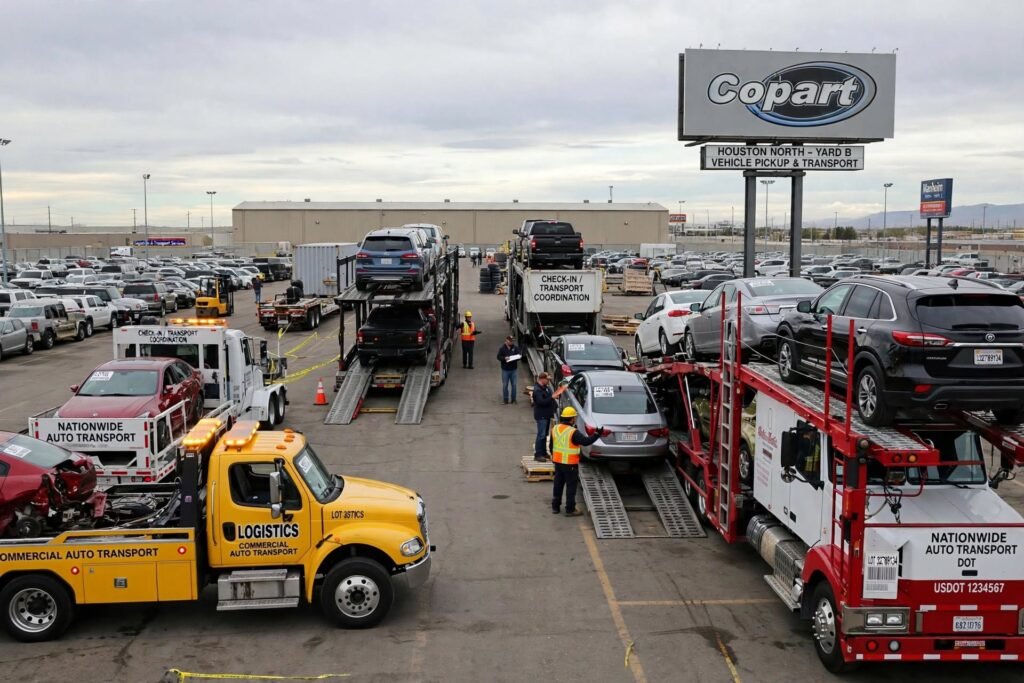
Online auctions make it possible to purchase vehicles from locations far beyond your hometown. Buyers may use platforms such as Copart, IAA, dealer auctions, or independent online marketplaces to find vehicles that suit their needs.
However, the auction location may be hundreds of miles from your home. Even if the car is roadworthy, traveling to collect it requires time, fuel, and a plan for getting back. If the vehicle has accident damage, mechanical problems, missing parts, or no valid road-ready condition, driving it away may not be practical.
Before placing a bid, identify the vehicle’s location and check the auction’s release requirements. Find out when the vehicle can be collected, whether an appointment is required, and what documents or authorization the pickup driver will need.
Rapid Auto Shipping helps customers explore vehicle transportation options across the United States, including shipments that begin at auction locations. Arranging transport early gives you more time to coordinate collection with the auction’s rules.
Three Auction Purchases, Three Different Transport Needs
Not every auction vehicle requires the same plan. Consider these examples.
The everyday commuter: A buyer in Ohio wins a used sedan from a dealership auction in Georgia. The car runs, but collecting it personally would mean a long round trip. Arranging transport may save time and make the purchase easier to manage.
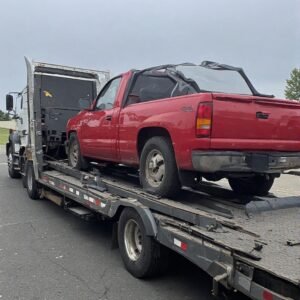
The damaged project car: A buyer in Arizona purchases a collision-damaged vehicle from an auction in California. Because the car cannot safely drive onto a trailer, the buyer needs to disclose its condition and ask about suitable loading equipment.
The classic-car find: A collector in Pennsylvania purchases an older sports car from a seller in Florida. Enclosed transport may be worth considering if additional protection from weather and road debris is a priority.
These scenarios illustrate why the vehicle’s condition, distance, and intended use should guide the transportation decision rather than relying on a one-size-fits-all solution.
The Hidden Expense of Waiting Too Long
Auction purchases often come with deadlines. Depending on the auction’s policies, buyers may have limited time to pay, arrange collection, or remove the vehicle from the storage yard. Storage fees or other charges may apply if a vehicle remains too long, so check the specific auction terms rather than assuming every seller follows the same rules.
Transportation should therefore be part of your purchase calculations.
Before bidding, investigate:
- The auction’s payment and vehicle-release deadlines.
- The pickup location and operating hours.
- Whether collection appointments are required.
- The vehicle’s running condition and loading requirements.
- The estimated transport charge.
- Any possible storage or late-removal fees.
For example, a vehicle that appears inexpensive at auction may become a less attractive purchase if collection is delayed and additional charges accumulate. An advance transport estimate helps you understand the broader cost before committing to the bid.
Can Your Auction Vehicle Actually Be Loaded?
One detail buyers sometimes overlook is whether the vehicle can be loaded using standard transport equipment.
A car described as “runs and drives” may still have a damaged tire, steering issue, weak battery, or other condition that complicates loading. A non-running vehicle may need a winch or other suitable equipment, depending on the carrier and the circumstances.
Give the transport provider accurate information about the vehicle. Mention missing wheels, collision damage, fluid leaks, low ground clearance, or major modifications. Photos can help communicate the condition, although the provider may need additional details before confirming the arrangement.
Also verify that the auction yard permits the proposed carrier to collect the vehicle and that any necessary release paperwork is ready.
Rapid Auto Shipping can help customers explore suitable transport arrangements based on the vehicle’s condition, origin, destination, and scheduling needs. Availability and equipment requirements should be confirmed before booking.
Open Trailer or Enclosed Carrier?
The right transport method depends on the vehicle and your priorities.
Open transport is commonly used for standard cars and is often the more economical option. The vehicle travels on an open trailer and remains exposed to normal outdoor conditions during transit.
Enclosed transport carries a vehicle inside a covered trailer, offering additional protection from weather and road debris. Buyers moving valuable classics, collectibles, or specialty vehicles may prefer this option, although pricing and availability can differ.
For a damaged auction vehicle, the most important question may be loading capability rather than trailer style. Ask whether the carrier can accommodate the vehicle as it sits and whether special equipment is required.
Do not assume every auction car qualifies for every service. Confirm the details before accepting a quote.
A Better Way to Budget for an Auction Win
The final cost of buying a vehicle includes more than the winning bid. Consider the auction’s buyer fees, applicable taxes, transportation, storage charges if any, and repairs or inspections that may be necessary after delivery.
Request an auction car transport quote using the exact pickup and delivery locations. Provide the year, make, model, and condition of the vehicle, along with your preferred collection timeframe.
Compare quotes based on the same information. Ask what the price includes, whether the amount is an estimate or confirmed rate, how scheduling works, and what insurance arrangements apply during transportation.
Rapid Auto Shipping provides nationwide auto transport options that customers can explore when arranging vehicle delivery. Clear information at the beginning helps you make a more informed decision about the complete purchase.
Turn a Winning Bid Into a Well-Planned Delivery
Buying a car online opens up more choices, but it also means taking responsibility for getting the vehicle home. By checking auction deadlines, confirming the car’s condition, and arranging transportation before collection becomes urgent, you can reduce avoidable surprises.
Whether you are purchasing a daily driver, a damaged project car, or a collector vehicle, auction car transport deserves a place in your buying budget. Plan the journey alongside the bid, verify the collection requirements, and work with a transport provider that understands your shipment’s needs.
Frequently Asked Questions
- What is auction car transport?
Auction car transport is the process of moving a vehicle from an auction location to a buyer, dealership, repair facility, or another destination using a vehicle carrier.
- Can I transport a car purchased from Copart or IAA?
Transport may be arranged for vehicles purchased through these auctions, subject to the auction’s release rules, pickup requirements, carrier access, and vehicle condition. Confirm the requirements with the auction before scheduling collection.
- Can auction transport companies move non-running vehicles?
Some carriers can accommodate non-running vehicles using suitable loading equipment. Disclose damage, missing parts, wheel issues, or other problems before requesting a quote.
- How much does auction car transport cost?
Pricing depends on distance, vehicle size and condition, loading requirements, route, carrier availability, and timing. Request an estimate using the exact auction location and delivery address.
- Should I arrange transport before winning the auction?
It is sensible to research transportation options before bidding. An estimate helps you calculate the likely total purchase cost, while final arrangements should be confirmed once the auction’s release conditions and vehicle details are known.
- How can Rapid Auto Shipping help with auction vehicle delivery?
Rapid Auto Shipping helps customers explore vehicle transport options across the United States. Provide the auction location, destination, vehicle details, running condition, and expected release date to discuss suitable arrangements.