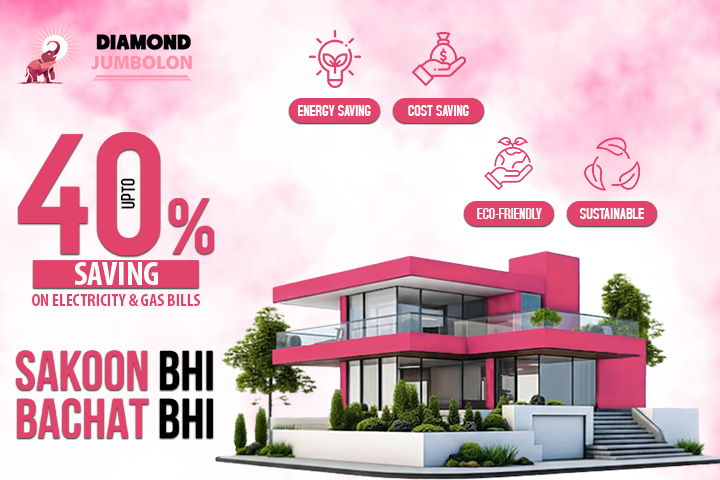
Cavity Wall Insulation: Improving Energy Efficiency and Building Comfort
Cavity Wall Insulation is one of the most effective methods for improving the thermal performance of residential, commercial, and industrial buildings. By reducing heat transfer through external walls, cavity insulation helps maintain stable indoor temperatures, improves energy efficiency, and reduces the workload on cooling and heating systems. In regions with extreme temperatures, properly insulated walls can play an important role in controlling indoor comfort, reducing energy consumption, and protecting buildings from unnecessary heat gain and heat loss.
Understanding Cavity Walls and Heat Transfer
A cavity wall consists of two separate wall layers with a space between them. This cavity was originally designed to reduce moisture penetration and improve wall performance.
However, an empty cavity can still allow heat movement between the external environment and the interior of a building.
During hot weather, outdoor heat can pass through exterior walls and increase indoor temperatures. During colder periods, internal heat can escape through poorly insulated walls.
Cavity wall insulation works by filling this empty space with an insulating material that creates resistance against heat movement.
This reduces thermal transfer and improves the overall performance of the building envelope.
Why Wall Insulation Is Important
Walls cover a large surface area of any building, making them one of the main pathways for heat exchange.
A building without proper wall insulation may experience:
- Increased indoor temperatures during summer
- Faster heat loss during winter
- Higher cooling and heating requirements
- Greater energy consumption
- Reduced indoor comfort
By improving the thermal resistance of walls, insulation helps create a more controlled indoor environment.
This is particularly valuable for homes, offices, schools, warehouses, factories, and commercial buildings where temperature management is important.
How Cavity Wall Insulation Works
Cavity wall insulation acts as a protective thermal barrier inside the wall structure.
The insulation material reduces the speed at which heat travels through the wall layers.
During summer:
- External heat transfer into the building is reduced
- Indoor spaces remain cooler for longer
- Cooling systems may operate more efficiently
During winter:
- Indoor heat loss is minimized
- Rooms retain warmth for longer periods
- Heating requirements may be reduced
The effectiveness of cavity insulation depends on the insulation material, thickness, wall construction, installation quality, and surrounding environmental conditions.
Benefits of Cavity Wall Insulation
- Improved Energy Efficiency
One of the primary benefits of cavity insulation is reduced heat transfer.
When walls provide better thermal resistance, air-conditioning and heating systems do not need to compensate for constant temperature changes caused by external weather conditions.
This can support more efficient energy usage and better building performance.
- Better Indoor Comfort
Insulated walls help maintain more consistent indoor temperatures.
Rooms become less affected by extreme outdoor conditions, creating a more comfortable environment throughout the year.
- Reduced Thermal Bridging
Thermal bridges are areas where heat can move more easily through a building structure.
Poorly insulated wall sections, joints, and connections can create these weak points.
A properly designed insulation system helps reduce thermal bridging and improves the overall efficiency of the building envelope.
- Improved Property Value
Energy-efficient buildings are becoming increasingly important for homeowners, developers, and commercial property owners.
A well-insulated building can offer improved comfort, better operational efficiency, and stronger long-term performance.
Types of Materials Used for Wall Insulation
Different insulation materials can be used depending on the project requirements.
XPS Insulation Boards
XPS insulation, or extruded polystyrene insulation, is a rigid insulation material known for its thermal resistance, moisture resistance, and durability.
XPS boards are commonly used in:
- Exterior walls
- Roof insulation systems
- Floors
- Foundations
- Commercial construction projects
Their closed-cell structure helps reduce heat transfer while maintaining long-term performance.
Mineral Wool Insulation
Mineral wool is another commonly used insulation material that provides thermal and acoustic insulation properties.
It is often selected for applications where sound control and fire resistance are important considerations.
Foam-Based Insulation Materials
Foam insulation systems can provide continuous coverage and help fill difficult spaces where traditional insulation boards may be challenging to install.
The best insulation material depends on the building design, climate conditions, moisture exposure, and required thermal performance.
Cavity Wall Insulation and Moisture Management
While insulation improves thermal performance, moisture control remains an important consideration.
Exterior walls are exposed to rain, humidity, and changing weather conditions. The insulation system must be designed correctly to prevent moisture-related problems.
Important factors include:
- Proper drainage
- Correct material selection
- Suitable vapor control
- Professional installation
- Proper wall detailing
A complete wall insulation system should improve energy efficiency while maintaining the structural integrity of the building.
Combining Wall Insulation with Other Insulation Systems
A building loses or gains heat through multiple areas, not only walls.
For maximum thermal efficiency, insulation should be considered across the entire building envelope.
A complete insulation strategy may include:
- Roof insulation
- Wall insulation
- Floor insulation
- Pipe insulation
- Water tank insulation
Combining different insulation methods creates better protection against temperature changes and reduces energy loss.
Importance of Professional Installation
Even premium insulation materials cannot perform effectively without proper installation.
Common installation issues include:
- Uneven insulation coverage
- Incorrect thickness
- Open gaps
- Poor sealing
- Improper moisture protection
Professional installation ensures the insulation system works as intended and provides long-term thermal performance.
A properly installed insulation layer creates continuous protection against unwanted heat transfer.
Choosing the Right Insulation Solution
Before selecting an insulation system, property owners should evaluate:
- Building structure
- Climate conditions
- Wall design
- Moisture exposure
- Thermal requirements
- Long-term durability
There is no single insulation solution suitable for every building. The correct choice depends on the specific application and performance goals.
Building a More Energy-Efficient Future
Modern buildings require insulation solutions that improve comfort, reduce energy waste, and provide long-term protection against changing weather conditions. Cavity wall insulation is an important part of creating an efficient building envelope by reducing heat transfer through walls and improving indoor temperature control. When combined with roof insulation, XPS boards, water tank insulation, and other thermal solutions, it helps create a complete energy-saving approach. Depending on the structure and application requirements, advanced insulation methods such as rigid boards, wall insulation systems, and Spray Foam can provide additional thermal protection and help achieve better building performance.