Why Electric Vehicles Can Benefit From Ceramic Coating
Electric vehicles often have clean, modern exterior designs. Smooth panels and minimal visual clutter can create an attractive appearance, but they also leave fewer places for paint imperfections to hide.
A ceramic coating can help protect the appearance of:
- Painted body panels
- Gloss-black trim
- Wheels
- Exterior plastic surfaces when suitable for coating
- Certain glass surfaces with compatible products
The main advantage is not that an EV requires completely different protection from a gasoline-powered vehicle. The benefit comes from the combination of modern styling, daily use, and the desire to keep the exterior looking clean with less effort.
Smooth Body Panels Show Contamination Quickly
Many EVs are designed with aerodynamics in mind. Smooth body panels and streamlined surfaces help create a clean visual profile.
However, those large uninterrupted surfaces can show dust, fingerprints, water spots, and road film very clearly.
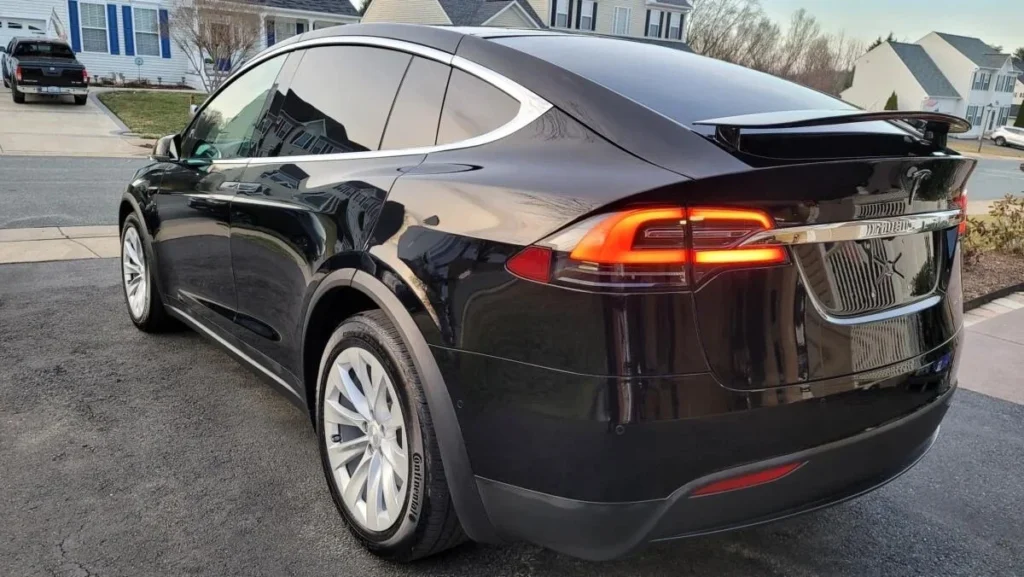
Dark-colored electric vehicles can be especially challenging. A black or deep blue finish may look exceptional when clean but quickly reveal light dust and swirl marks.
Ceramic coating can help make routine maintenance easier by reducing how strongly certain contaminants adhere to the surface. This can be useful for owners who want to maintain a cleaner appearance between washes.
Ceramic Coating Enhances Paint Gloss
One of the most noticeable benefits of ceramic coating is the improvement in surface gloss and visual depth.
A coating works best after the paint has been carefully prepared. Washing alone may not be enough. Paint can contain bonded contamination, light swirl marks, or other imperfections that affect how light reflects from the surface.
The preparation process may include:
- Thorough washing
- Chemical decontamination
- Mechanical decontamination when appropriate
- Paint inspection
- Paint correction
- Final surface preparation
Once the surface is properly prepared, the coating can enhance the clarity of the finish.
A common mistake is believing that ceramic coating itself will remove scratches. It will not. In fact, applying a coating over uncorrected defects may make them more noticeable because the improved gloss can highlight the existing paint condition.
Easier Maintenance for Daily-Driven EVs
Electric vehicles are often used as daily transportation, which means they still collect dust and road grime.
Ceramic coating can simplify routine washing.
Water may bead or move more efficiently across the surface, and light contamination may be easier to remove when the vehicle is maintained correctly.
This does not mean a coated EV can be ignored for weeks or months.
Bird droppings, tree sap, and bug residue should still be removed promptly. The coating provides an additional protective layer, but contaminants can still create problems if they remain on the surface for too long.
A consistent maintenance routine is always more effective than waiting for heavy buildup.
Protecting Gloss-Black Trim
Gloss-black trim is common on many modern electric vehicles.
Unfortunately, it can also show fingerprints, dust, and fine scratches very easily.
A ceramic coating designed for compatible surfaces may help protect gloss-black trim and make it easier to clean.
However, careful washing remains essential.
Gloss-black surfaces are particularly vulnerable to wash-induced marring. Even the best coating cannot prevent scratches caused by rubbing dirt across the surface with a contaminated towel.
Insider Tip: Use Separate Towels for Different Areas
One useful detailing habit is to avoid using the same towel on every part of the vehicle.
A towel used on lower doors or rocker panels may pick up more abrasive contamination than a towel used on upper painted panels.
Using separate clean microfiber towels for cleaner and dirtier areas can reduce the chance of transferring contamination back onto sensitive surfaces.
This small change can make a noticeable difference over time.
EV Wheels and Brake Dust Still Need Attention
Some people assume electric vehicles produce little wheel contamination because regenerative braking can reduce brake use.
While regenerative braking may reduce conventional brake use under certain driving conditions, EV wheels can still collect road grime, dust, and other contaminants.
Wheel design also varies widely.
Some electric vehicles use aerodynamic wheel covers and intricate wheel designs that can trap dirt in tight areas.
A compatible wheel coating can make routine cleaning easier, especially around difficult-to-reach sections.
The most important step is still regular maintenance. Heavy contamination becomes harder to remove when it is allowed to build up over long periods.
Ceramic Coating and Large Glass Surfaces
Many EVs feature large windshields and panoramic glass roofs.
These surfaces require a different approach from painted panels.
A paint ceramic coating should not automatically be applied to glass unless the product is specifically designed and approved for that use.
Dedicated glass coatings can improve water behavior and make exterior glass easier to maintain.
When working around cameras and sensors, care should also be taken to avoid applying inappropriate products to areas where they could affect visibility or performance.
Always consider the vehicle’s design before applying any protective product.
Modern Sensors Require Careful Cleaning
Electric vehicles may include cameras, radar components, sensors, and other driver-assistance equipment located around the exterior.
These components should be handled carefully during washing and detailing.
Avoid aggressive scrubbing around sensors.
Do not apply thick dressings or coatings where they are not recommended.
Keep cleaning products under control, particularly around seams and sensor housings.
The goal is a clean vehicle, not applying products to every visible surface.
Ceramic Coating Can Help With Water Spot Prevention, but It Is Not a Guarantee
Water behavior is one of the reasons people are attracted to ceramic coatings.
However, water spots can still form.
Minerals in water can remain behind after the water evaporates. A coating does not prevent minerals from existing.
If a vehicle is repeatedly exposed to hard water and allowed to dry in direct sunlight, deposits may still develop.
Insider Tip: Dry the Vehicle Carefully After Washing
Do not rely entirely on water beading to dry the vehicle.
After washing, use a clean drying towel or an appropriate vehicle-safe air-drying method to remove remaining water.
Pay extra attention to:
- Mirrors
- Door handles
- Window seals
- Charging-port areas
- Rear body panels
Water often remains hidden in these locations and can drip onto clean paint later.
The Importance of Proper Charging-Port Care
The charging port is a unique area that deserves attention during cleaning.
Follow the vehicle manufacturer’s recommendations and avoid directing excessive water or chemicals into the charging connection.
Clean the surrounding painted and plastic areas carefully without treating the charging port like an ordinary body panel.
Ceramic coating may be suitable for surrounding exterior surfaces, but products should not be applied directly to electrical connection areas unless specifically approved for that purpose.
Ceramic Coating Does Not Replace Paint Protection Film
Another common misconception is that ceramic coating provides the same level of impact protection as paint protection film.
It does not.
Ceramic coating can help with surface maintenance and environmental contamination, but it is not designed to provide the same physical protection against rock impacts.
Owners concerned about high-impact areas may consider different protection strategies for the front bumper, hood, mirrors, and other exposed surfaces.
The right choice depends on how and where the vehicle is driven.
For owners researching long-term exterior care, ceramic coating virginia beach offers useful information about the role of ceramic protection in maintaining a clean and well-prepared vehicle finish.
How Long Can a Ceramic Coating Help an EV?
Durability depends on several factors.
These can include:
- The coating used
- Quality of surface preparation
- Application technique
- Environmental exposure
- Washing habits
- Maintenance products
- How often the vehicle is driven
An EV stored indoors and maintained carefully may experience different conditions from one parked outside every day.
The best approach is to follow the recommended maintenance process for the specific coating rather than assuming all ceramic coatings perform identically.
Final Thoughts
Ceramic coating can be a practical addition to an electric vehicle care routine. It can enhance gloss, improve water behavior, simplify regular washing, and help maintain the clean appearance of modern paint and exterior surfaces.
The biggest benefit comes when the coating is applied after proper preparation. A clean, corrected surface provides the foundation for a better result.
Also read for more information so click here.