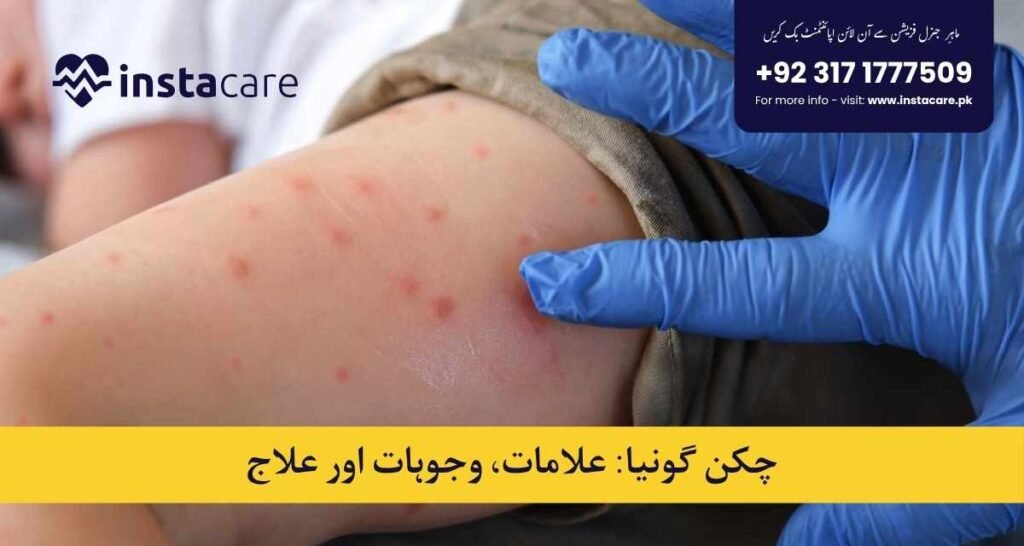
Chikungunya is a mosquito-borne viral disease that can cause sudden fever and severe joint pain. It is mainly transmitted by infected Aedes aegypti and Aedes albopictus mosquitoes, which commonly bite during the daytime. Because chikungunya can resemble dengue and other mosquito-borne infections, recognizing its symptoms and seeking appropriate medical evaluation are important.
There is currently no specific antiviral treatment for chikungunya. Treatment focuses mainly on relieving fever and pain, maintaining hydration, getting adequate rest, and preventing complications. The best way to prevent infection is to avoid mosquito bites and eliminate mosquito breeding sites.
What Is Chikungunya?
Chikungunya is caused by the chikungunya virus (CHIKV), an RNA virus belonging to the alphavirus genus. It is transmitted primarily through the bites of infected female Aedes aegypti and Aedes albopictus mosquitoes.
These mosquitoes can also transmit dengue and Zika viruses. They are particularly active during daylight hours, although mosquito exposure can occur at other times as well.
The name chikungunya comes from a Kimakonde word describing the stooped or bent posture that may occur because of severe joint pain.
How Does Chikungunya Spread?
The infection occurs when an infected mosquito bites a person and introduces the virus into the bloodstream. The mosquito usually becomes infected after biting a person who has chikungunya virus circulating in their blood.
Once infected, the mosquito can transmit the virus when it bites another person. This creates a cycle of transmission between humans and mosquitoes.
A person with chikungunya should take extra precautions to avoid mosquito bites during the first week of illness, because mosquitoes that bite an infected person can potentially become infected and transmit the virus to others.
Symptoms of Chikungunya
Symptoms usually develop 4–8 days after the bite of an infected mosquito, although the incubation period can range from 2–12 days.
Common symptoms include:
- Sudden fever
- Severe joint pain
- Joint swelling
- Muscle pain
- Headache
- Skin rash
- Nausea
- Fatigue and weakness
The most characteristic feature of chikungunya is often severe joint pain, which can make normal movement difficult. Most people recover, but joint pain can persist for weeks, months, or occasionally even years.
Can Chikungunya Be Confused With Dengue?
Yes. Chikungunya, dengue, and Zika can produce overlapping symptoms, particularly fever, headache, muscle pain, rash, and general weakness.
Severe joint pain is particularly characteristic of chikungunya, while dengue can be associated with bleeding and other complications. However, symptoms alone cannot reliably distinguish these infections in every patient.
Laboratory testing may therefore be necessary to establish the diagnosis.
How Is Chikungunya Diagnosed?
A healthcare professional may recommend laboratory testing when chikungunya is suspected.
RT-PCR Test
During the first week of illness, chikungunya virus can be detected directly in a blood sample using molecular tests such as reverse transcription polymerase chain reaction (RT-PCR).
Antibody Testing
After the first week, blood tests can detect antibodies produced by the immune system in response to chikungunya infection. Depending on the timing and clinical situation, antibody testing can help identify recent or previous infection.
Because dengue can produce similar symptoms and may require different management, doctors may also recommend tests to evaluate for dengue or other infections.
Treatment of Chikungunya
There is currently no specific antiviral medicine that cures chikungunya. Treatment is primarily supportive and focuses on controlling symptoms and maintaining hydration.
- Control Fever and Pain
Paracetamol (acetaminophen) is commonly recommended to reduce fever and relieve pain.
Patients should follow the recommended dose and avoid taking more than the prescribed or labeled amount.
- Stay Hydrated
Fever can increase fluid loss. Drinking adequate amounts of water and other appropriate fluids can help prevent dehydration.
If a person is unable to drink enough because of persistent vomiting or severe illness, medical assessment may be necessary.
- Get Adequate Rest
Rest is an important part of recovery. Patients experiencing significant fatigue or joint pain should avoid excessive physical exertion while they are acutely ill.
- Manage Joint Pain
Joint pain can be severe during chikungunya. Symptom management may include appropriate pain medicines and other supportive measures.
Cold compresses may provide temporary relief for painful or swollen joints in some patients.
- Avoid Certain Painkillers Until Dengue Is Ruled Out
This is particularly important in areas where dengue is also circulating.
Aspirin, ibuprofen, and other non-steroidal anti-inflammatory drugs (NSAIDs) should generally be avoided until dengue has been ruled out, because these medicines can increase the risk of bleeding in people with dengue.
Do not start prescription painkillers or anti-inflammatory medicines without discussing them with a healthcare professional.
What Happens if Joint Pain Continues?
Most people recover from chikungunya, but joint pain can persist after the acute infection.
Some patients may experience prolonged or chronic joint symptoms lasting for months or, in some cases, years. Persistent symptoms may require follow-up with a doctor and an individualized approach to pain management and rehabilitation.
If joint pain continues, becomes severe, or interferes with normal daily activities, medical evaluation is recommended.
Who Is at Higher Risk of Severe Chikungunya?
Although chikungunya is usually not fatal, severe disease can occasionally occur.
People who may have a higher risk of severe illness include:
- Older adults
- Newborns and young infants
- Pregnant women
- People with underlying medical conditions
Older people with conditions such as diabetes, hypertension, or heart disease may require closer medical monitoring.
Severe cases can occasionally involve neurological, cardiac, or eye complications and may require hospitalization.
When Should You See a Doctor?
Seek medical advice if you develop sudden fever accompanied by severe joint pain, rash, headache, muscle pain, or significant weakness, particularly if you live in or have recently visited an area where mosquito-borne diseases are circulating.
Prompt medical assessment is especially important for:
- Infants and young children
- Older adults
- Pregnant women
- People with chronic medical conditions
- People with severe or worsening symptoms
- Anyone unable to maintain adequate fluid intake
Because chikungunya can resemble dengue and other infections, a healthcare professional can determine whether laboratory testing is appropriate.
Prevention of Chikungunya
Since there is no specific antiviral treatment, preventing mosquito bites is one of the most important ways to reduce the risk of chikungunya.
Use Mosquito Repellent
Apply an appropriate mosquito repellent to exposed skin or clothing according to the product instructions.
WHO identifies repellents containing ingredients such as DEET, IR3535, or icaridin/picaridin as options for protection against mosquito bites.
Wear Protective Clothing
Wear long-sleeved shirts, long trousers, and clothing that reduces exposed skin, particularly during the daytime when Aedes mosquitoes are active.
Use Window and Door Screens
Screens can help prevent mosquitoes from entering homes. Keeping doors and windows closed where practical can provide additional protection.
Use Mosquito Nets
Mosquito nets are particularly useful for people who sleep during the day, including young children, sick individuals, and older adults. Insecticide-treated nets can provide additional protection.
Eliminate Standing Water
Aedes mosquitoes commonly breed in containers holding stagnant water.
Regularly inspect your home and surroundings for:
- Open buckets
- Flowerpots
- Old tyres
- Water tanks
- Cans and bottles
- Uncovered containers
- Other objects that collect rainwater
Empty and clean water-holding containers regularly, keep water-storage containers tightly covered, and dispose of waste appropriately.
Protect a Person Who Has Chikungunya
If someone in your household has suspected or confirmed chikungunya, preventing mosquito bites is particularly important during the first week of illness.
Use mosquito repellents, protective clothing, window screens, and mosquito nets where appropriate. This helps reduce the chance that a mosquito will bite the infected person, acquire the virus, and subsequently transmit it to someone else.
Is There a Vaccine for Chikungunya?
As of current WHO information, chikungunya vaccines have received regulatory approvals in some countries and regions, but they are not yet widely available or routinely used globally. WHO is continuing to review vaccine evidence and has not issued a general recommendation for their widespread use.
Therefore, mosquito-bite prevention and mosquito-control measures remain essential.
Chikungunya Prevention at the Community Level
Individual protection is important, but controlling mosquito populations requires community participation.
Communities can help by:
- Removing standing water
- Keeping water-storage containers covered
- Cleaning water-holding containers regularly
- Properly disposing of waste
- Supporting local mosquito-control programs
- Following public-health advice during outbreaks
During outbreaks, health authorities may use insecticides and other vector-control measures to reduce mosquito populations.
Key Difference Between Chikungunya and Dengue
Both diseases are transmitted by Aedes mosquitoes and can cause fever, headache, muscle pain, rash, and fatigue.
However, severe joint pain is particularly characteristic of chikungunya, while dengue has a greater concern for bleeding, plasma leakage, and shock in severe cases.
Because symptoms overlap, it is unsafe to diagnose either disease based only on symptoms. Appropriate medical evaluation and, when indicated, laboratory testing can help determine the cause.
Frequently Asked Questions
Is there a cure for chikungunya?
There is currently no specific antiviral treatment that cures chikungunya. Management focuses on fever and pain relief, hydration, rest, and monitoring for complications.
What is the best medicine for chikungunya?
Paracetamol is commonly used to control fever and pain. Aspirin and NSAIDs such as ibuprofen should generally be avoided until dengue has been ruled out because of the potential bleeding risk associated with dengue.
How long does chikungunya joint pain last?
Joint pain often improves within days to weeks, but some people experience persistent joint pain for months or even years.
Can chikungunya be prevented?
Yes. Avoiding mosquito bites and eliminating mosquito breeding sites are the main prevention strategies. Use repellents, protective clothing, window screens, mosquito nets when appropriate, and remove standing water around the home.
Which test is used for chikungunya?
RT-PCR can detect the virus during the early phase of illness. After the first week, antibody tests can help detect the immune response to chikungunya. The appropriate test depends on the timing of symptoms and clinical circumstances.
Can chikungunya cause long-term problems?
Most people recover completely, but prolonged joint pain can occur. Rarely, chikungunya may be associated with complications affecting the eyes, heart, or nervous system.
Book an Online Consultation With a General Physician via InstaCare
If you or a family member develops fever, severe joint pain, rash, headache, muscle pain, or unusual weakness, consult a healthcare professional rather than relying on self-medication. Since chikungunya can resemble dengue and other infections, a doctor can assess your symptoms and determine whether laboratory testing is needed.
Book an online consultation with the best General Physician via InstaCare for professional guidance about your symptoms, appropriate testing, treatment, and recovery.
Disclaimer: This article is intended for general educational purposes and does not replace a medical examination or individualized medical advice. If symptoms are severe or rapidly worsening, seek urgent medical care.