Late July in South Georgia has a way of testing everyone’s patience. The air is thick, the afternoon storms roll in on schedule, and the backyard that looked so inviting in March becomes a place most people avoid until sundown. For many families, that’s the moment the idea of a backyard pool shifts from “someday” to “let’s look into it.”
Finding the right custom pool builder in Valdosta, GA is often where that idea either takes shape or stalls. A pool is one of the largest home projects most people will ever take on. The choices made early on, about design, materials, and who does the work, tend to shape how the space is used for decades.
This guide looks at what custom pool construction actually involves in this part of Georgia, what homeowners commonly run into, and how a well-planned pool often grows into a full outdoor living space.
What “Custom” Really Means in Pool Construction
The word “custom” gets used loosely, so it helps to define it. A custom pool is designed around a specific yard, family, and set of goals rather than chosen from a short list of preset shapes.
In practice, that usually means a concrete pool (often built with gunite or shotcrete), since concrete can be formed into nearly any shape, depth, or size. Fiberglass and vinyl liner pools have their place and can be more budget-friendly. But they come with limits on shape and layout that true custom builds don’t.
A custom design also covers the details around the water. Tanning ledges, built-in benches, raised spa walls, water features, lighting, and the surrounding decking all fall under the same plan. When these pieces are designed together, the result tends to feel intentional rather than pieced together over time.
Why Local Conditions Matter So Much
Pool construction isn’t one-size-fits-all across the country. South Georgia brings its own set of challenges, and experienced local builders tend to plan around them from day one.
Soil is a big one. Much of the region has sandy topsoil over clay. Some properties also deal with a high water table, especially after heavy rain. That affects how a pool is excavated, how the shell is reinforced, and how drainage is handled around the deck.
Weather plays a role too. Long, hot summers mean pools get heavy use for much of the year. That makes durable interior finishes, good circulation, and efficient pumps more important than they might be in cooler climates. Spring pine pollen and leaf drop also make skimmer placement and filtration worth discussing early.
Then there’s the paperwork side. Permits, inspections, setback rules, and safety barrier requirements vary by city and county. A builder who works regularly in the area usually knows these steps well, which helps avoid delays once digging starts.
How Homeowners Usually Approach the Process
Most people start with photos. They save pictures of pools they love, then quickly learn that a design built for a sprawling lot may not fit a typical suburban backyard. That’s normal, and it’s where the design conversation really begins.
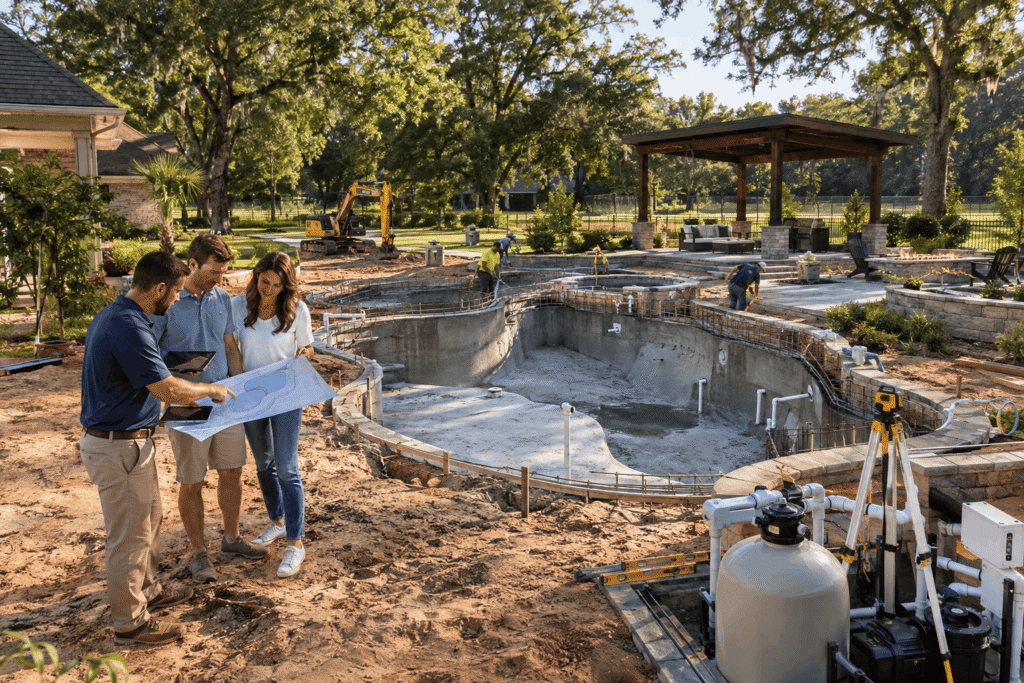
A good custom pool builder in Valdosta, GA will typically walk the property before suggesting anything. They look at slope, sun exposure, access for equipment, and where the pool will be seen from inside the house. Those details often change the design more than any photo does.
Budget comes up early too. Costs for custom concrete pools vary widely based on size, finishes, and added features. Homeowners who get the most value tend to set priorities up front, deciding which features are must-haves and which can be added later.
Timelines also surprise some people. Between design, permits, construction, and curing, a custom pool can take several months from first meeting to first swim. Starting in fall or winter often means the pool is ready by the time the heat returns.
The Real Benefits of Going Custom
The biggest advantage is fit. A custom pool can work around a tricky lot shape, an existing patio, or a mature oak tree that nobody wants to lose. Prefab options can’t always do that.
There’s also the matter of how a family actually lives. Parents of young kids may want a large, shallow sun shelf where little ones can splash safely. Someone dealing with joint pain may want a deeper section for low-impact exercise. Households that entertain often lean toward a spa with a spillover edge and plenty of deck space for guests.
Long-term value is another factor. A well-built concrete pool, paired with thoughtful landscaping and hardscaping, can add real appeal to a home. Buyers in warm climates tend to respond well to outdoor spaces that look finished and easy to enjoy.
Finally, custom builds allow for smarter planning. Running gas lines, electrical, and plumbing for future features during construction is far easier and cheaper than tearing up a finished deck years later.
When the Pool Becomes the Whole Backyard
Many projects that start as “just a pool” end up as something bigger. Once the layout is on paper, homeowners often realize how much more they could do with the space around it.
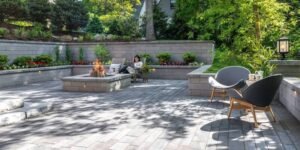
Fire features are one of the most popular additions. South Georgia winters are mild, but evenings from November through February can get chilly. A fire pit turns the pool area into a place people use year-round, not just during swim season.
That’s why searches for custom fire pit installation in Hahira, GA often show up alongside pool research for families in the northern part of Lowndes County. The two projects pair naturally. A fire pit placed near the pool deck, with seating built into a low wall, creates a gathering spot that works on a summer night or a cool January evening.
Gas fire pits are common near pools because they’re easy to light, produce no flying embers, and leave no ash to blow into the water. Wood-burning pits still have loyal fans, but they usually need more distance from the pool and from any structures. Local fire codes and burn rules should always be checked before construction.
A Few Relatable Scenarios
Consider a couple in their fifties whose kids have moved out. They want a smaller pool with a spa, a covered patio, and a fire feature for evenings with friends. Their focus isn’t on diving boards or slides. It’s on comfort, low maintenance, and a space that feels like a getaway.
Now picture a young family on a corner lot with three kids under ten. Their priorities look very different. A wide sun shelf, a fenced perimeter that meets safety rules, and plenty of open deck for towels and toys come first. A fire pit might be phase two, planned now but built in a few years.
Or think about a homeowner with a sloped backyard who assumed a pool wasn’t possible. With retaining walls and a raised pool edge, that slope can become a design feature instead of a problem. A spillover spa or small waterfall often looks best on exactly this kind of lot.
Each of these situations calls for a different design. That’s the core reason custom work exists.
What to Look for When Comparing Builders
Homeowners often find it helpful to look at a builder’s past projects, ideally ones nearby that have held up for several years. Asking how they handle permits, soil testing, and drainage can reveal a lot about their experience in the region.
Clear contracts matter too. Look for a written scope of work, a realistic timeline, and a clear explanation of what’s included and what counts as an add-on. Warranty terms on the shell, equipment, and finishes are worth reviewing closely.
Local, long-standing companies such as Harbin’s Pools are examples of the kind of builders homeowners in the area often consider. Even so, it’s smart to talk with more than one builder, compare design ideas, and choose the team whose approach feels like the best match for the project.
Final Thoughts
A custom pool is more than a place to cool off. When it’s planned around the yard, the climate, and the people using it, it becomes the center of daily life for much of the year.
For homeowners in Valdosta, GA, the best results usually come from starting early, asking plenty of questions, and thinking beyond the water itself. Whether that means adding a spa, planning for a custom fire pit installation in Hahira, GA, or simply leaving room for future upgrades, a little foresight goes a long way.
FAQs
How much does a custom inground pool typically cost?
Costs vary widely based on size, materials, finishes, and features like spas or water features. Concrete custom pools generally cost more than fiberglass or vinyl options. Getting several detailed quotes is the best way to understand local pricing.
How long does it take to build a custom pool?
Most custom concrete pools take a few months from design to completion. Permits, weather, and design complexity can all affect the timeline. Starting in the off-season often helps the pool be ready by early summer.
Is concrete or fiberglass better for South Georgia?
Both can work well. Concrete offers unlimited design flexibility and suits custom layouts, while fiberglass installs faster and needs less resurfacing over time. Soil conditions and design goals usually guide the final choice.
Can a fire pit be installed close to a pool?
Yes, many outdoor designs place fire pits near pool decks. Gas fire pits are popular for this because they produce no embers or ash. Local fire codes and setback rules should be confirmed before building.
Do you need a permit to build a pool in Georgia?
In most cases, yes. Cities and counties typically require building permits, inspections, and safety barriers such as fencing. Requirements vary by location, so checking with the local permitting office is an important early step.