A spring storm rolls through North Texas overnight. By morning, a large limb from a backyard live oak is resting on the fence, and another branch hangs over the roof. Most homeowners have the same first thought: who can take care of this safely and quickly?
That is when hiring an Insured Tree Removal Company in Colleyville, TX becomes more than a formality. Tree work is among the riskiest jobs in home maintenance. The crew you hire, and the insurance behind them, can decide whether a bad morning stays a minor problem or becomes a costly one.
Why Insurance Matters So Much in Tree Work
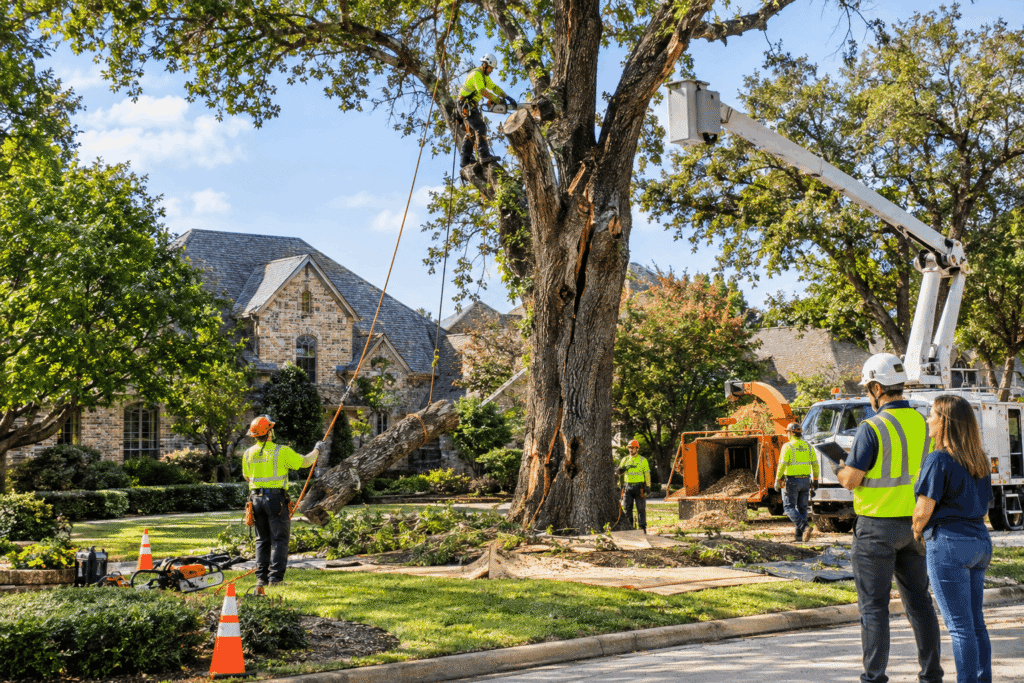
Removing a tree involves heavy equipment, sharp tools, and limbs that can weigh hundreds or even thousands of pounds. Even experienced crews deal with unpredictable factors like hidden rot, shifting wind, and tangled power lines.
When something goes wrong, someone has to pay for it. A falling section might crush a car, crack a foundation, or damage a neighbor’s garage. A worker might get hurt on the job. Without proper coverage, the homeowner can end up facing those bills.
Many people don’t realize that Texas does not require a state license for tree service work. Almost anyone with a chainsaw and a truck can advertise as a tree company. That makes insurance one of the few clear signs that a business is operating professionally.
The Two Types of Coverage Worth Knowing
Most industry professionals point to two key types of insurance.
General liability insurance covers damage to property. If a trunk lands on a roof or a stump grinder throws debris through a window, this policy is designed to handle the repair costs.
Workers’ compensation insurance covers injuries to the crew. This one matters more in Texas than many people expect. Texas is the only state where private employers can choose not to carry workers’ comp. So a company may be fully legal and still have no injury coverage for its workers.
If an uninsured worker gets hurt on private property, the situation can get complicated. Some homeowners’ policies may not respond the way people assume, and legal disputes can follow. Having a company with both policies in place removes much of that uncertainty.
Benefits That Go Beyond Peace of Mind
Insured companies tend to run their businesses differently. Insurance providers often look at safety practices, equipment, and claims history before writing a policy. Companies that keep their coverage active usually have a reason to stay careful.
There is also a quality signal. A business that invests in proper insurance is usually investing in other areas too, such as trained staff, well-maintained equipment, and ISA-certified arborists. These details don’t show up in a quick online ad, but they show up in the final result.
Insurance can also make life easier when dealing with your own insurer. After storm damage, homeowners filing a claim often need clear records of the work done. Established, insured companies are generally used to providing that kind of documentation.
Finally, there is the matter of neighbors. Trees rarely respect property lines. When a large oak leans over a shared fence, an insured crew protects both households, not just the one paying the bill.
Real-World Situations Where It Makes a Difference
Picture a family in Colleyville with a towering pecan tree that has started dropping dead limbs. The tree sits close to the house and near an overhead service line. Removing it requires climbing, rigging, and careful lowering of each section. This is exactly the kind of job where a mistake can be expensive, and where coverage matters most.
Or consider a homeowner dealing with oak wilt, a disease that affects many live oaks and red oaks across Central and North Texas. Infected trees often need removal, and the work has to be timed and handled properly to limit spread. A professional, insured crew is more likely to follow recognized practices.
The same concerns apply in smaller, rural communities. Someone searching for an Insured Tree Removal Company in Franklin, TX may be dealing with large post oaks on acreage, storm-damaged trees near a barn, or stumps left behind after clearing land. The setting is different, but the risks look much the same.
In that part of the Brazos Valley, local outfits such as Brazos Valley Stump Grinding and Tree Service handle the kinds of removals and stump work common to rural properties. Whether the job is in a suburb or out in the country, the questions homeowners should ask stay consistent.
How to Verify Coverage Before Work Begins
Asking “Are you insured?” is a good start, but a verbal yes isn’t enough. The standard practice is to request a certificate of insurance, often called a COI.
A COI lists the insurance carrier, the policy types, coverage limits, and expiration dates. Many homeowners ask to have the certificate sent directly from the insurance agent. That way, they know the document is current and genuine.
It also helps to check that the policy covers the specific work being done. Some policies cover lawn care or trimming but exclude tree removal or climbing. A quick call to the insurance provider listed on the certificate can clear that up.
When comparing quotes, a noticeably lower price can sometimes reflect a lack of coverage. Insurance is a real cost for tree companies, and those savings may simply shift the risk onto the homeowner.
Making a Smart, Informed Choice
Tree removal isn’t something most people do often, so it’s easy to focus only on price and speed. But the right questions upfront can prevent major headaches later.
Whether you’re comparing options for an Insured Tree Removal Company in Colleyville, TX or looking for an Insured Tree Removal Company in Franklin, TX, the basics remain the same. Confirm coverage, ask about experience, and get the details in writing.
A healthy, well-managed landscape adds value and shade to any Texas property. When a tree needs to come down, making sure it’s handled by insured professionals is one of the simplest ways to protect your home, your neighbors, and your wallet.
Frequently Asked Questions
Do tree removal companies need a license in Texas?
Texas does not require a state license for general tree service work. Some cities may have their own permit rules for removing protected trees, so it’s worth checking with local offices before work begins.
What insurance should a tree removal company have?
At minimum, look for general liability insurance to cover property damage. Workers’ compensation is also important because it covers crew injuries, and it is optional for private employers in Texas.
What happens if an uninsured tree worker gets hurt on my property?
The homeowner could face legal claims or medical costs, depending on the circumstances. Coverage under a homeowner’s policy varies, so hiring an insured company is the safest way to avoid that risk.
How can I check if a tree service is actually insured?
Ask for a certificate of insurance and request that it be sent directly from the insurance agent. Then confirm the coverage dates and that the policy includes tree removal work.
Does homeowners insurance pay for tree removal?
It often depends on the cause. Many policies help when a tree falls on a covered structure due to a storm, but removal of a healthy or dead standing tree is usually the homeowner’s responsibility.