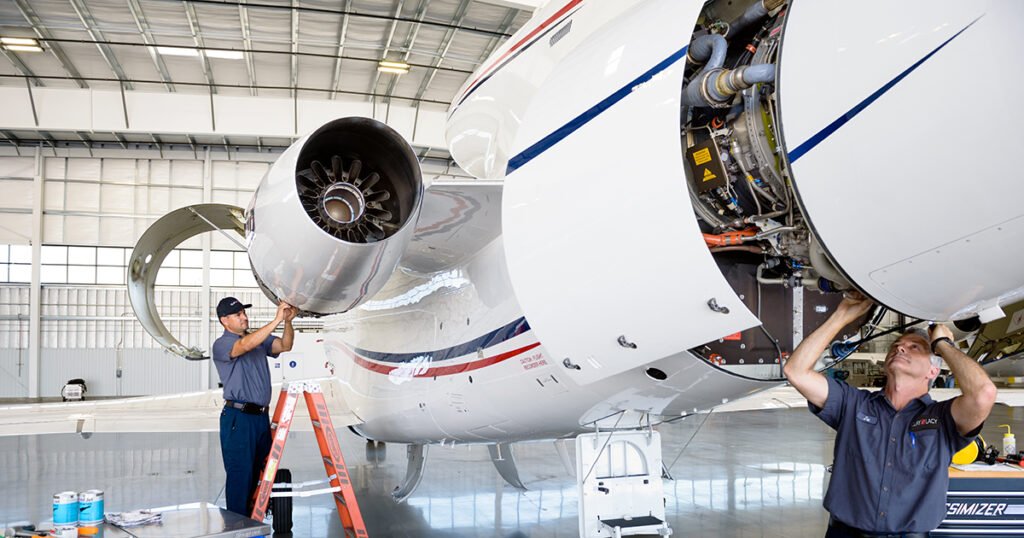
AOG Maintenance
An aircraft is meant to be in the air; however, when it sits and waits for operational clearance, it creates a lot of trouble. Some issues may occur with the aircraft; aspects that include an unexpected warning light, an engine abnormality, or a landing gear issue can delay a flight and create a chain reaction across an operator’s schedule.
This is where Aircraft on Ground (AOG) maintenance becomes essential. AOG situations occur when an aircraft cannot safely continue its planned operation because of a maintenance or technical issue. The problem may be relatively small, but until it is properly assessed and resolved, the aircraft may remain grounded.
So, what causes aircraft to become AOG in the first place? Several issues appear more frequently than others.
What Can Cause an Aircraft to Become AOG?
Aircraft are complex machines made up of thousands of components and interconnected systems. A fault in one area can affect the aircraft’s ability to operate safely.
Here are some of the most common reasons an aircraft may require immediate maintenance support.
1. Engine and Turbine Problems
The engine is one of the most critical systems on any aircraft, so an unusual indication should never be ignored.
Engine problems can range from abnormal readings and oil-related issues to fuel system faults, compressor concerns, turbine component damage, and other mechanical abnormalities. Sometimes the problem is detected during a preflight inspection. In other cases, a warning or unusual engine performance may appear during or after a flight.
Because turbine engines operate under extreme temperatures, pressures, and rotational speeds, troubleshooting requires specialized knowledge. Technicians may need to inspect components, analyze symptoms, perform diagnostic checks, and determine whether a repair or replacement is necessary.
2. Hydraulic System Failures
Hydraulic systems might not be the first thing passengers think about when they picture an aircraft, but they play a crucial role in many aircraft functions.
Depending on the aircraft, hydraulics can support systems such as landing gear, brakes, flight controls, and other essential equipment. A leak, pressure loss, pump problem, or damaged component can therefore keep an aircraft on the ground.
Finding the actual source of a hydraulic problem is particularly important. Simply replacing fluid does not address an underlying leak or component failure. Technicians need to identify the fault, carry out the appropriate maintenance, and verify that the system operates correctly.
3. Electrical and Avionics Malfunctions
Today’s aircraft rely on sophisticated electrical and avionics systems for communication, navigation, monitoring, flight displays, and numerous other functions.
That complexity also means a seemingly simple electrical fault can take time to diagnose. A faulty sensor, damaged wiring, power supply issue, or malfunctioning electronic component can trigger warnings or cause equipment to behave unexpectedly.
Technicians typically use aircraft maintenance documentation, diagnostic equipment, system tests, and troubleshooting procedures to trace the fault back to its source.
4. Landing Gear Issues
Landing gear has a demanding job. It must support the aircraft during ground operations and withstand substantial forces during takeoff and landing.
Problems can involve gear extension or retraction, hydraulic components, mechanical parts, wheels, tires, or warning indications. An unusual gear indication, for example, may require detailed inspection before the aircraft can be released for another flight.
Depending on the fault, maintenance personnel may inspect the relevant components, replace damaged parts, and perform required operational checks.
5. Brake and Tire Problems
Aircraft tires and brakes experience considerable heat, friction, pressure, and mechanical stress. Unsurprisingly, they require careful inspection.
Excessive tire wear, visible damage, brake abnormalities, or unusual indications may prevent an aircraft from departing until the issue has been assessed.
These problems can sometimes be identified during routine inspections. Addressing them promptly can prevent a relatively straightforward maintenance issue from creating a larger operational delay.
6. Unexpected Structural Damage
Not every AOG event starts with a mechanical failure.
Bird strikes, ground handling incidents, foreign object impacts, severe weather, and other events can result in structural damage. A dent or visible mark may appear minor from the outside, but aircraft structures often require careful inspection to determine whether the damage affects safe operation.
Maintenance personnel may need to inspect the affected area against approved technical data and determine whether further inspection or repair is necessary.
Why Do AOG Problems Need Immediate Attention?
Imagine an aircraft scheduled to complete several flights in one day. A technical problem discovered before departure does not just affect one flight. It can disrupt the aircraft’s entire schedule.
Passengers may face delays. Crews may need to be rescheduled. Connecting flights can be affected. Cargo operations may also experience disruption.
For operators, every hour an aircraft remains grounded can have operational and financial consequences.
That is why AOG Maintenance Services can be important when an unexpected technical issue occurs. Having access to qualified maintenance personnel and the necessary resources can help operators address problems efficiently while following the required safety and maintenance procedures.
How Do Technicians Approach an AOG Problem?
AOG maintenance is not simply about fixing whatever appears to be wrong as quickly as possible.
First, technicians need to understand the reported symptoms. They then troubleshoot the relevant system, inspect components, and use approved maintenance procedures to identify the cause.
Once the problem has been identified, the required corrective action can be determined. This may involve repairing a component, replacing a part, carrying out an inspection, or performing additional testing.
Only after the required maintenance has been completed and the applicable checks have been satisfied can the aircraft return to service.
In other words, fast maintenance still needs to be methodical maintenance.
What If the Aircraft Is Away From Its Maintenance Base?
A technical problem becomes more challenging when an aircraft develops a fault at an unfamiliar airport or location.
Operators may need to find qualified technical assistance nearby, particularly when the issue involves a specialized system or turbine engine. In such circumstances, searching for a Turbine Mechanic Near Me can help operators locate potential maintenance resources in the area.
However, proximity is only one consideration. The technician or maintenance provider must also have the appropriate qualifications, experience, equipment, and authorization for the work required.
Can AOG Situations Be Prevented?
Not completely. Unexpected failures, weather events, bird strikes, and other incidents can happen even when an aircraft is carefully maintained.
Still, good maintenance practices can reduce the likelihood of some avoidable problems. Regular inspections, accurate maintenance records, timely replacement of components, proper troubleshooting, and attention to recurring defects all contribute to aircraft reliability.
Operators can also prepare for the unexpected by having contingency plans and access to maintenance support at the locations where their aircraft operate.
The Bottom Line
An aircraft can become AOG for many different reasons. Engine problems, hydraulic failures, avionics faults, landing gear issues, brake and tire problems, and structural damage are just some of the situations that may require immediate attention.
The challenge is not simply getting an aircraft back into operation. The underlying fault must be correctly identified, the required maintenance must be completed, and the aircraft must meet the applicable requirements before returning to service.
When an unexpected problem occurs, AOG Maintenance Services can provide the technical support needed to address the situation efficiently. For operators, having reliable maintenance resources available can make a significant difference when an aircraft unexpectedly has to stay on the ground.