Desi ghee benefits have been a cornerstone of South Asian kitchens for generations. In Pakistan, it is more than just a cooking fat—it represents tradition, nourishment, and rich culinary heritage. From festive dishes to everyday meals, ghee adds a distinct aroma and depth of flavor that few other ingredients can match. In recent years, it has also regained attention in modern nutrition discussions, where its benefits are being re-evaluated with a more balanced understanding.
The Traditional Importance of Desi Ghee
For centuries, desi ghee has been used in home cooking, Ayurveda-inspired remedies, and cultural recipes passed down through families. It is made by slowly heating butter until water and milk solids are removed, leaving behind pure golden fat. This simple yet careful process concentrates both flavor and nutrients, making ghee a highly valued ingredient in traditional diets.
In Pakistani households, ghee is commonly used in parathas, curries, lentils, sweets, and festive dishes like halwa and biryani. Its role in cooking is deeply rooted in cultural practices, often associated with warmth, hospitality, and celebration.
Nutritional Benefits of Desi Ghee
One of the key reasons desi ghee remains popular is its nutritional profile. It contains fat-soluble vitamins such as A, D, E, and K, which support important body functions including immunity, bone health, and skin maintenance. These vitamins are naturally present in milk fat, which means the quality of dairy used during production directly impacts the nutritional value of ghee.
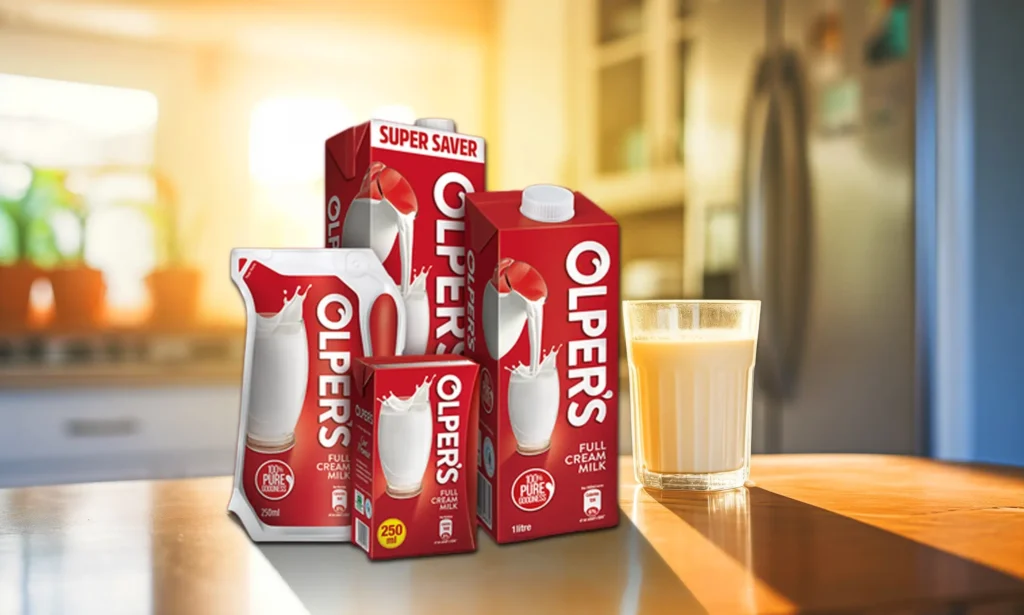
When made from high-quality dairy sources like Olper’s, ghee tends to be purer and more consistent in quality, ensuring better taste and nutritional integrity. Clean sourcing and hygienic processing help preserve the natural richness of the milk fat.
Better Digestibility and Energy Support
Unlike many processed cooking oils, desi ghee is often easier for the body to digest. It contains short-chain fatty acids that are quickly absorbed and converted into energy. This makes it a preferred choice in traditional diets, especially in regions where people need sustained energy throughout the day.
Many households still use a small amount of ghee in daily meals to support digestion and provide a steady energy source. While moderation is important, its natural composition makes it gentler compared to heavily refined fats.
High Cooking Stability and Safety
One of the most practical advantages of desi ghee is its high smoke point. This means it can withstand high cooking temperatures without breaking down easily. In contrast, many vegetable oils degrade when exposed to high heat, potentially affecting both flavor and health quality.
Because of its stability, ghee is ideal for frying, sautéing, and slow cooking. It maintains its structure even during long cooking processes, making it a reliable option for traditional Pakistani dishes that require rich, slow preparation.
Flavor Enhancement in Everyday Cooking
Desi ghee is also valued for its ability to enhance taste. Even a small amount can significantly improve the aroma and richness of food. It brings depth to savory dishes and adds a smooth, indulgent texture to sweets and desserts.
Whether it is drizzled over hot daal, used in frying parathas, or added to rice dishes, ghee elevates the overall eating experience. This natural flavor enhancement is one of the main reasons it remains irreplaceable in many kitchens.
Why Dairy Quality Matters in Ghee Production
The quality of desi ghee is directly linked to the quality of milk used in its production. Clean, well-sourced milk produces better butter, which in turn results in purer and more nutritious ghee. Poor-quality dairy can affect not only taste but also safety and consistency.
Trusted dairy brands such as Olper’s follow strict hygiene and processing standards to ensure that milk-based products meet high-quality benchmarks. When dairy is handled properly from farm to packaging, the final ghee product retains better flavor, purity, and nutritional value.
Modern Use of Ghee in Healthy Lifestyles
Today, desi ghee is being reintroduced into balanced diets in a more mindful way. Nutritionists often recommend using it in moderation as part of a healthy fat intake. Instead of eliminating traditional fats, many people now prefer replacing heavily processed oils with natural alternatives like ghee.
It is also becoming popular in modern fusion cooking, where chefs use it to bring traditional richness into contemporary dishes. This balance between tradition and modern health awareness has helped ghee maintain its relevance in today’s kitchens.
Conclusion
Desi ghee continues to hold a respected place in South Asian cooking due to its rich flavor, nutritional benefits, and versatility. When sourced from high-quality dairy and used responsibly, it can be a valuable part of a healthy diet. This becomes especially relevant when exploring How to Make Dairy Milk Chocolate, where quality dairy ingredients play a key role in achieving smooth texture and rich taste.
More than just a cooking fat, desi ghee represents tradition, purity, and nourishment. With trusted dairy standards and mindful usage, it remains one of the most powerful ingredients in Pakistani kitchens, connecting heritage with modern healthy living.