Cupping Therapy in Dubai
Dry cupping treatment is an ancient therapeutic practice that has been used for thousands of years across various cultures, including Traditional Chinese Medicine (TCM), Middle Eastern healing systems (Hijama in its wet form, though dry cupping differs), and even early Greek and Egyptian medicine. Today, it has gained renewed popularity in modern wellness and sports recovery circles as athletes, physical therapists, and holistic practitioners explore non-invasive ways to relieve pain, improve circulation, and support overall well-being.
Unlike wet cupping, dry cupping does not involve making incisions or drawing blood. Instead, it uses suction to lift the skin and underlying tissues, promoting circulation and helping the body’s natural healing processes.
This article explores everything you need to know about dry cupping treatment, including how it works, its benefits, techniques, potential risks, and what you can expect during a session. Also you can check this manual therapy
What Is Dry Cupping Treatment?
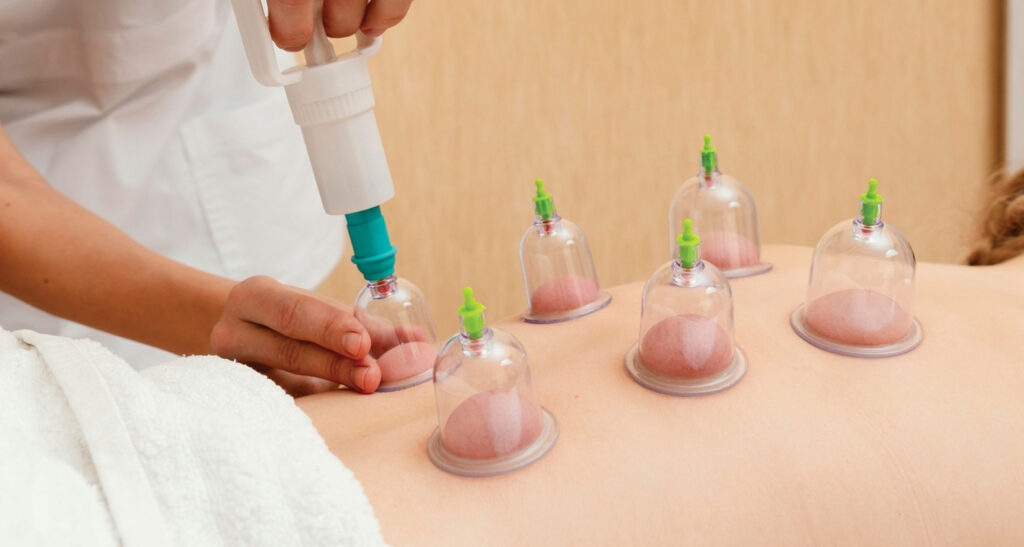
Dry cupping treatment is a therapeutic technique that involves placing special cups on the skin to create suction. This suction can be generated using heat (fire cupping) or mechanical pumps. The cups are usually made of glass, silicone, bamboo, or plastic.
The vacuum created inside the cup pulls the skin upward, increasing blood flow to the area and stimulating the underlying muscles and tissues. This process is believed to help release muscle tension, reduce inflammation, and promote healing.
Unlike wet cupping, dry cupping does not involve bloodletting or skin puncturing, making it a less invasive option for those interested in traditional therapy methods. Also you can take a look iv drip therapy in Dubai
How Dry Cupping Treatment Works
The science behind dry cupping treatment is still being researched, but several physiological effects are widely accepted:
- Increased blood circulation: Suction draws blood to the surface, improving oxygen and nutrient delivery to tissues.
- Fascial release: The lifting effect may help loosen tight fascia and muscle adhesions.
- Lymphatic stimulation: Encourages the movement of lymph fluid, supporting detoxification processes.
- Pain modulation: May activate the nervous system in a way that reduces pain perception.
During the treatment, cups are placed on specific areas of the body such as the back, shoulders, neck, or legs. They may remain stationary or be gently moved across lubricated skin in a technique called “sliding cupping.”
Types of Dry Cupping Techniques
There are several variations of dry cupping treatment, each with its own method and purpose:
1. Static Cupping
Cups are placed on specific points and left in place for 5–15 minutes. This is commonly used for deep muscle tension and localized pain relief.
2. Dynamic or Moving Cupping
Oil is applied to the skin, and cups are gently glided across the body. This technique is often used for larger muscle groups and lymphatic drainage.
3. Flash Cupping
Cups are quickly applied and removed repeatedly. This is used to stimulate blood flow and energize tissue without leaving marks.
4. Fire Cupping
A traditional method where heat is used to create suction inside glass cups before placing them on the skin. This technique is still widely used in traditional clinics.
Benefits of Dry Cupping Treatment
Dry cupping treatment is associated with a variety of potential health benefits. While scientific evidence varies in strength, many people report noticeable improvements after sessions.
1. Pain Relief
One of the most common uses of dry cupping is for musculoskeletal pain. It is frequently used to address:
- Back pain
- Neck stiffness
- Shoulder tension
- Sports injuries
2. Improved Blood Flow
By drawing blood to the surface, cupping may enhance circulation in targeted areas, which can support healing and reduce muscle fatigue.
3. Reduced Muscle Tension
Athletes often use cupping to relieve tight muscles after intense workouts or competitions.
4. Stress and Relaxation
The therapy can activate the parasympathetic nervous system, promoting relaxation and reducing stress levels.
5. Enhanced Recovery
Some studies suggest cupping may help speed up recovery from injuries by reducing inflammation and improving tissue oxygenation.
6. Potential Skin Benefits
Improved circulation may contribute to healthier-looking skin and reduced appearance of cellulite, although more research is needed in this area.
What to Expect During a Dry Cupping Session
If you are new to dry cupping treatment, knowing what to expect can help you feel more comfortable.
Before the Session
A practitioner will typically ask about your medical history, areas of pain, and wellness goals. The skin is cleaned and prepared, and oil may be applied depending on the technique.
During the Session
- Cups are placed on the skin
- A suction effect is created using heat or a pump
- You may feel tightness or pulling sensation, but it should not be painful
- Cups remain in place for 5–20 minutes depending on the treatment plan
After the Session
It is common to see circular marks on the skin. These marks are not bruises in the traditional sense but are caused by increased blood flow and capillary expansion. They typically fade within 3–10 days.
Some people report feeling relaxed, energized, or slightly sore after treatment.
Are There Any Side Effects?
Dry cupping treatment is generally considered safe when performed by a trained professional, but there are some possible side effects:
- Temporary circular marks on the skin
- Mild soreness or tenderness
- Lightheadedness in rare cases
- Skin irritation if performed too aggressively
It is not recommended for individuals with:
- Bleeding disorders
- Severe skin conditions
- Pregnancy (certain areas)
- Open wounds or infections
Always consult a healthcare professional if you have underlying medical conditions before trying cupping therapy.
Dry Cupping vs. Wet Cupping
It is important to distinguish between dry and wet cupping:
- Dry cupping: Uses suction only, no blood is drawn
- Wet cupping: Involves small incisions and controlled blood extraction
Dry cupping is more commonly used in modern wellness and sports therapy settings due to its non-invasive nature.
Who Can Benefit from Dry Cupping Treatment?
Dry cupping may be beneficial for a wide range of people, including:
- Athletes seeking muscle recovery
- Office workers with neck and back tension
- Individuals with chronic pain conditions
- People experiencing stress or fatigue
- Those interested in holistic wellness approaches
However, it should be used as a complementary therapy rather than a replacement for medical treatment.
Scientific Perspective on Dry Cupping
Research on dry cupping treatment is still developing. Some studies suggest it may help with pain relief and relaxation, but more high-quality clinical trials are needed to fully understand its mechanisms and long-term effectiveness.
Many researchers believe its benefits may be partly due to increased blood flow, nervous system modulation, and placebo-enhanced relaxation responses.
Conclusion
Dry cupping treatment is an ancient yet increasingly popular therapy that offers a non-invasive approach to pain relief, relaxation, and muscle recovery. While scientific evidence continues to evolve, many individuals report positive outcomes, especially for musculoskeletal discomfort and stress reduction.
As with any wellness practice, it is best to consult a qualified practitioner and consider cupping as part of a broader health and recovery plan. When performed correctly, dry cupping can be a valuable addition to modern integrative health care.