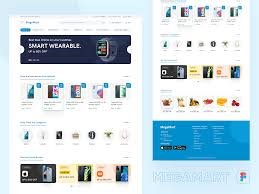
In today’s competitive digital marketplace, having an online store is no longer optional for businesses that want to reach more customers. A professional website helps brands showcase their products, attract potential buyers, and make shopping convenient from anywhere. However, simply launching a website is not enough. Businesses need an attractive design, smooth navigation, secure payment options, and a seamless shopping experience to stand out from competitors.
This is where ecommerce website design plays an important role. A well-designed ecommerce website combines visual appeal with functionality, helping customers discover products, make informed decisions, and complete purchases without unnecessary complications. Whether you are starting a new online business or upgrading an existing store, the right design can support your growth and strengthen your brand identity.
What Is Ecommerce Website Design?
Ecommerce website design is the process of creating an online store where customers can browse products, explore categories, add items to their shopping carts, and complete purchases. It involves more than choosing colors and images. It also includes website structure, user experience, mobile responsiveness, product presentation, navigation, and checkout functionality.
An effective online store should make it easy for visitors to find what they need. Every page should have a clear purpose, from the homepage and product categories to individual product pages and checkout screens.
Why Is Professional Ecommerce Website Design Important?
1. Create a Strong First Impression
Your website often forms the first impression customers have of your business. A clean layout, high-quality product images, consistent branding, and readable content help communicate professionalism.
If a website looks outdated or confusing, visitors may hesitate to purchase. A modern design gives customers a more comfortable browsing experience and encourages them to explore your products.
2. Improve the Customer Shopping Experience
Customers want to find products quickly without navigating through complicated menus. Clear categories, useful search functionality, descriptive product pages, and simple navigation make shopping easier.
A positive user experience can encourage visitors to spend more time exploring your store and help reduce unnecessary obstacles during the buying process.
3. Build Trust and Credibility
Online shoppers need confidence before sharing personal information or making payments. Professional website design can support trust through transparent pricing, clear shipping and return policies, customer reviews, accessible contact details, and recognizable secure payment options.
These elements help customers understand what to expect and make more informed purchasing decisions.
4. Support Mobile Shopping
Many consumers browse and shop using smartphones and tablets. A mobile-friendly online store automatically adapts to different screen sizes, making product images, navigation menus, buttons, and checkout forms easier to use.
Responsive design is essential because a website that works well on desktop computers may create frustration on smaller screens if it is not properly optimized.
Essential Features of a Successful Ecommerce Website
User-Friendly Navigation
Organize products into logical categories and use clear menu labels. Add a search bar that helps customers locate specific products quickly. Filters and sorting options can also make large product collections easier to explore.
Attractive Product Pages
Product pages should provide the information shoppers need to make purchasing decisions. Include high-quality images, accurate descriptions, prices, available sizes or variations, product specifications, and clear calls to action.
Where appropriate, add customer reviews, stock availability, delivery estimates, and related product recommendations.
Simple Shopping Cart and Checkout
A complicated checkout process can discourage customers from completing their purchases. Keep the process straightforward by displaying order totals, shipping costs, and available payment methods clearly.
Allowing guest checkout, reducing unnecessary form fields, and providing helpful error messages can make purchasing more convenient.
Secure Payment Integration
Customers expect online transactions to be handled securely. Choose reputable payment providers and implement HTTPS, appropriate security measures, and suitable fraud-prevention tools.
Your business should also follow the privacy, consumer protection, and payment requirements applicable to its market.
Fast Loading Speed
Website speed influences the shopping experience. Slow pages can frustrate visitors, particularly when they are browsing product galleries or moving through checkout.
Optimize image sizes, minimize unnecessary scripts, use suitable hosting, and monitor website performance to help pages load efficiently.
Customer Support Options
Make it easy for customers to ask questions before and after purchasing. Contact forms, email support, live chat, and helpful frequently asked questions can address common concerns and improve the overall customer experience.
How Ecommerce Website Design Can Support SEO
A visually appealing store is valuable, but potential customers must also be able to discover it through search engines. Search engine optimization should be considered during the website planning and design process rather than added as an afterthought.
Start with a logical website structure that organizes products into relevant categories. Write unique product titles, informative descriptions, and useful category content. Use descriptive URLs, optimize image file sizes, and add meaningful alternative text to product images.
Mobile usability and page performance also matter for visitors and can support search visibility. Implement structured data where appropriate to help search engines understand product information, such as prices, availability, and reviews when eligible.
Avoid creating unnecessary duplicate pages or relying on copied product descriptions. Original, useful content gives shoppers a better understanding of your products and helps distinguish your store from competitors.
Remember that good design alone cannot guarantee high rankings. Search visibility also depends on content quality, technical SEO, competition, website authority, and other factors.
The Role of Ecommerce Website Development
Design determines how an online store looks and how customers interact with it, while development brings its functionality to life. Ecommerce website development may include product management, inventory tracking, payment processing, order management, shipping integrations, and customer account features.
Popular platforms include Shopify, WooCommerce, and other ecommerce solutions. The right option depends on your budget, technical requirements, product range, customization needs, and plans for future growth.
For example, a small business may prefer a platform that offers straightforward store management, while a larger retailer may need advanced integrations, customized workflows, or connections to existing business systems.
Working with experienced designers and developers can help ensure that your store is attractive, functional, and suitable for your operational needs.
Steps to Create an Effective Ecommerce Website
Step 1: Define Your Business Goals
Identify your target audience, products, budget, and primary objectives. Decide whether your main priority is increasing sales, launching a new product line, expanding into new markets, or improving an existing shopping experience.
Step 2: Plan Your Website Structure
Map out the homepage, product categories, product pages, shopping cart, checkout, contact page, and essential policy pages. A clear structure makes the website easier to navigate and maintain.
Step 3: Design for Your Audience
Choose colors, typography, images, and layouts that reflect your brand. Focus on readability, accessibility, and consistency instead of adding unnecessary visual effects.
Step 4: Develop and Test Key Features
Set up your product catalog, payment gateways, shipping options, inventory tools, and customer support features. Test the store on different browsers and devices before launching.
Step 5: Optimize and Improve
After launch, monitor website speed, traffic sources, product engagement, cart abandonment, and completed purchases. Use analytics and customer feedback to identify areas that need improvement.
Regular updates help your online store remain useful as customer expectations and business needs change.
Common Ecommerce Website Design Mistakes to Avoid
Some design decisions can make an online store harder to use. Avoid overcrowded layouts, low-quality product photographs, confusing navigation, hidden shipping costs, and lengthy checkout forms.
Do not overload pages with pop-ups or distracting animations. Ensure that important buttons are easy to identify and that product information is accurate. Broken links, outdated prices, and unavailable products that appear in stock can also damage customer confidence.
Another common mistake is neglecting ongoing maintenance. Regularly review security updates, backups, integrations, inventory information, and website performance to keep the store operating smoothly.
How to Choose the Right Ecommerce Website Design Partner
Choosing a suitable design partner can make the process more organized and efficient. Review their portfolio to see whether they have experience with businesses similar to yours. Ask about their design process, development capabilities, SEO knowledge, security practices, and post-launch support.
Discuss your requirements, expected timeline, budget, and future expansion plans before starting the project. A reliable partner should explain the proposed solution clearly and help you understand the features your business actually needs.
Look for a team that prioritizes customer experience, technical quality, and measurable business objectives rather than focusing only on appearance.
Frequently Asked Questions (FAQs)
1. What is ecommerce website design?
Ecommerce website design involves creating an online store where customers can browse products, view product details, add items to their carts, and purchase products through a convenient and secure shopping experience.
2. Why is ecommerce website design important for online businesses?
Professional design improves usability, presents products effectively, supports customer trust, and makes it easier for shoppers to complete purchases. It can also contribute to better mobile usability and website performance.
3. How much does ecommerce website design cost?
The cost depends on the website’s complexity, platform, number of products, custom features, integrations, and design requirements. A basic store generally requires a smaller investment than a fully customized ecommerce solution.
4. How long does it take to build an ecommerce website?
A straightforward online store may take a few weeks, while a complex website with custom functionality and multiple integrations may take several months. The timeline depends on project scope, content preparation, testing, and revisions.
Conclusion: Turn Your Online Store into a Growth Opportunity
A successful online store brings together attractive visuals, intuitive navigation, reliable functionality, and a convenient shopping experience. Investing in professional ecommerce website design can help businesses present their products effectively, build customer confidence, and create a stronger foundation for online growth.