Hydromulch North Texas
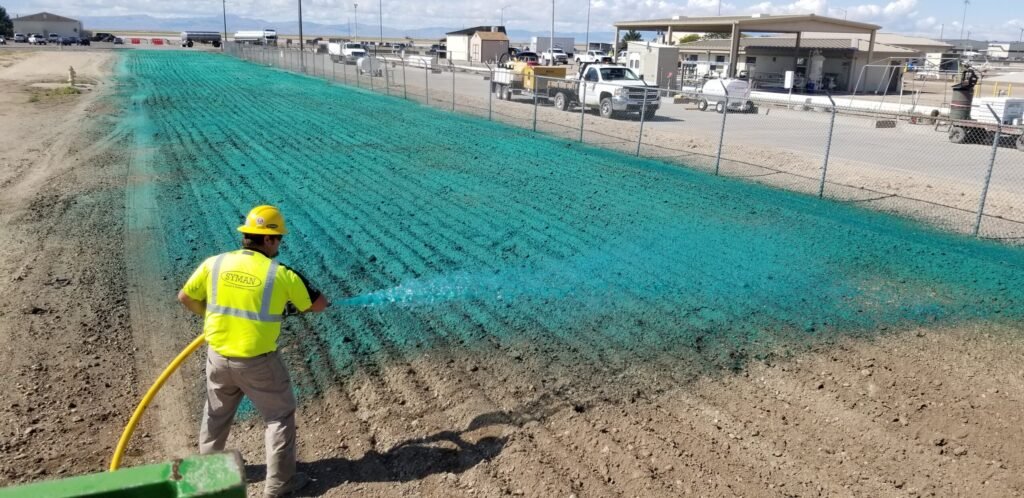
Choosing the right mulch fiber can have a major influence on how well newly seeded soil is protected during the early stages of grass establishment. North Texas properties can experience intense heat, strong winds, heavy rainfall, and periods of drought, creating challenging conditions for exposed soil and developing seedlings. Hydromulch provides a protective layer that helps manage these conditions while supporting seed germination. For property owners considering Hydromulch North Texas understanding the differences between fiber materials can make the selection process much easier.
Wood fiber, paper fiber, and bonded fiber products each have characteristics that make them suitable for different applications. Some are designed primarily for residential lawns and general revegetation, while others may be better suited to slopes, erosion-prone areas, or demanding commercial projects. There is no single mulch fiber that is automatically best for every property. The appropriate choice depends on soil conditions, slope, rainfall exposure, seed type, project size, and the level of erosion protection required.
Understanding Wood Fiber Hydromulch
Wood fiber mulch is manufactured from processed wood materials and is commonly used when greater durability and longer-lasting surface protection are desired. Compared with lightweight paper-based products, wood fiber can provide a more substantial protective layer over seeded soil. Its physical structure can help shield seed from direct rainfall impact and reduce surface moisture loss during the establishment period. These characteristics can make wood fiber an attractive option for challenging North Texas conditions.
Wood-based mulch is often considered for slopes and areas where erosion resistance is an important concern. When properly mixed and applied, the fibers can interlock across the soil surface and create relatively consistent coverage. However, application rates still matter, and simply using more material does not automatically produce better results. A professional should select the appropriate product and application rate according to the site rather than relying on a generic formula.
What Paper Fiber Hydromulch Offers
Paper fiber is often used for general seeding applications because it is lightweight, easy to apply, and can provide useful surface coverage during germination. The fibers help create a protective layer over seed while supporting moisture retention near the soil surface. For relatively flat residential lawns with manageable erosion risk, paper-based hydromulch may provide an efficient option. It can also be appropriate when the primary objective is supporting seed establishment rather than handling severe runoff or slope conditions.
One limitation is that lightweight paper fiber may not provide the same level of durability as heavier wood-based or bonded products under demanding conditions. Strong rainfall, significant runoff, or exposed slopes can place additional stress on the mulch layer. This does not make paper fiber unsuitable; it simply highlights the importance of matching the product to the site. A properly evaluated residential property may not require the same level of mulch reinforcement as a steep commercial construction site.
How Bonded Hydromulch Differs
Bonded hydromulch products are designed to provide stronger cohesion within the mulch layer. Depending on the product formulation, bonding agents can help fibers adhere to each other and remain attached to the soil surface after application. This can be valuable where wind, rainfall, or surface runoff creates a greater risk of mulch displacement. Bonded systems are often considered for erosion-control applications where maintaining surface coverage is especially important during vegetation establishment.
The term “bonded hydromulch” can describe different products and formulations, so property owners should ask contractors exactly what material they plan to use. Product specifications, application rates, and site conditions all influence performance. Bonding does not make a treated area completely resistant to severe storms or concentrated water flow. Where slopes are unstable or runoff is substantial, additional erosion-control measures may still be necessary alongside hydromulching.
Comparing Wood, Paper, and Bonded Fibers
The best way to compare these three fiber types is to consider the demands placed on the property. Paper fiber can be practical for straightforward residential applications where erosion pressure is relatively low. Wood fiber generally offers greater physical coverage and durability, making it useful when conditions are more demanding. Bonded products provide additional cohesion and may be particularly valuable where keeping the mulch layer attached to the soil is a priority.
Cost should also be considered, but it should not be the only deciding factor. Selecting an inexpensive mulch that performs poorly under the property’s actual conditions can result in uneven germination, erosion, and the need for additional work. Conversely, using a high-performance product where it is unnecessary may increase project costs without providing meaningful additional value. A professional site assessment can help determine the appropriate balance between protection, performance, and budget.
Choosing Fiber for Residential Hydroseeding
Homeowners searching for residential hydroseeding near me should ask potential contractors which fiber they recommend and why. A reliable provider should consider the lawn’s slope, soil type, drainage, exposure to wind, expected rainfall, and intended use before recommending a mulch. Flat, sheltered yards may have relatively modest erosion concerns, while properties located on slopes or areas with concentrated runoff may require stronger surface protection.
The seed mixture should also be considered alongside the mulch selection. Different grasses have different germination and establishment requirements, and the mulch should support rather than interfere with those requirements. Soil preparation is equally important because compacted or poorly graded ground can limit the effectiveness of even a high-quality hydromulch application. Asking how these components work together can help homeowners understand whether a contractor is providing a complete establishment plan or simply applying a standard mixture.
Factors That Affect Hydromulch Performance in North Texas
Weather is one of the most important variables after hydromulch is applied. Newly treated soil can be exposed to intense sunlight and heat during summer, while sudden thunderstorms may produce significant rainfall and runoff. Strong winds can also challenge lightweight materials, particularly on open properties without surrounding vegetation or structures. The timing of the application should therefore be considered carefully, although weather conditions cannot always be predicted perfectly.
Water management after application is equally important. Seeds generally need consistent moisture during germination, but excessive irrigation can create runoff and disturb the mulch layer. Homeowners should follow the contractor’s watering recommendations and monitor the soil rather than assuming more water is always better. As grass develops roots, irrigation practices can gradually transition toward deeper, less frequent watering appropriate for the selected turf or vegetation.
Making the Right Hydromulch Decision
Selecting between wood, paper, and bonded hydromulch should begin with the site’s actual requirements rather than a generic preference for one fiber type. Paper can be effective for straightforward residential applications, wood fiber can provide additional durability, and bonded products can offer stronger cohesion where erosion and displacement are greater concerns. Each material has a role, and the best choice depends on the conditions it must withstand. Professional application is also essential because product selection alone cannot overcome poor preparation or improper installation.
For property owners planning Hydromulch North Texas projects, a detailed conversation with a qualified contractor can clarify which fiber is appropriate for the landscape. Those searching for residential hydroseeding near me should ask about seed selection, soil preparation, mulch composition, application rates, irrigation, and expected establishment time. A properly selected fiber can help protect seed, manage moisture, and reduce early soil disturbance while vegetation becomes established. When the mulch system is matched to the property’s conditions, it becomes a practical part of creating healthier and more resilient North Texas landscapes.