Explore industrial floor cranes for manufacturing, warehouses and workshops. Discover lifting solutions from AVCON Systems.
Floor Crane Suppliers in India: A Complete Buying Guide
Introduction
Material handling plays an important role in modern industrial operations. Manufacturing facilities, warehouses, engineering units, automotive plants, and fabrication industries regularly handle heavy equipment, machinery components, and oversized materials. Moving and lifting these loads manually can increase operational risks, consume valuable time, and affect workplace productivity.
Floor cranes offer an effective solution for lifting, positioning, and transporting heavy materials within industrial environments. These cranes are designed to provide flexibility, controlled movement, and efficient load handling without requiring permanent overhead crane installations.
Businesses looking for reliable Floor Crane Suppliers in India should understand the different crane types, their applications, essential safety features, and important factors to consider before making a purchase.
What Is an Industrial Floor Crane?
An industrial floor crane is a mobile lifting system designed to lift and position heavy loads at ground level. Unlike fixed overhead cranes, floor cranes can move across factory floors and operate in different working areas.
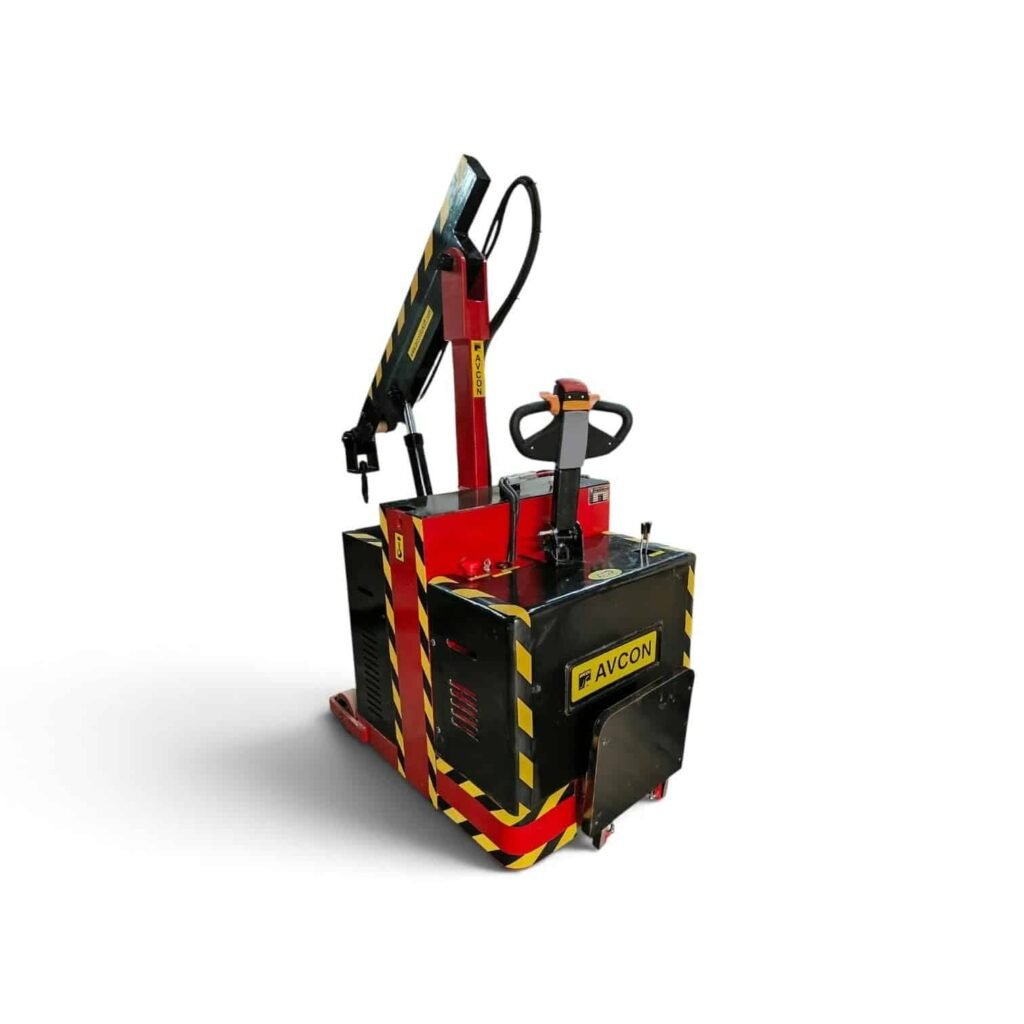
These cranes generally consist of a strong structural frame, lifting boom, hydraulic or electric lifting mechanism, wheels, and supporting components. Depending on the model, they may use manual, hydraulic, or battery-powered systems.
Floor cranes are particularly useful in locations where flexibility, limited floor space, and precise material positioning are important.
Different Types of Floor Cranes Used in Industries
Selecting the right crane depends on the weight, dimensions, and handling requirements of the materials being lifted. Several types of floor cranes are available for industrial applications.
1. Hydraulic Floor Crane
Hydraulic floor cranes use hydraulic pressure to lift and lower heavy materials. They are commonly used in manufacturing workshops, maintenance departments, and engineering facilities.
Their lifting mechanism allows operators to handle equipment with controlled movement. These cranes are suitable for applications where occasional heavy lifting is required.
2. Battery Operated Floor Crane
Battery-operated floor cranes use an electric power system to support lifting and movement operations. They reduce the physical effort required from operators and can improve material handling efficiency.
These cranes are useful in facilities where frequent lifting, positioning, and movement are required. Their battery-powered operation can also reduce dependence on manual handling.
3. Electric Floor Crane
Electric floor cranes are designed for operations that require powered lifting. They can help businesses improve productivity by reducing manual effort and providing consistent lifting performance.
They are particularly suitable for manufacturing plants, assembly lines, and industrial environments with regular material handling requirements.
4. Heavy Duty Floor Crane
Heavy-duty floor cranes are designed for lifting heavier industrial components and machinery. Their structural design, lifting capacity, and stability make them suitable for demanding applications.
Before selecting a heavy-duty model, businesses should evaluate the maximum load, boom extension, lifting height, and operating conditions.
Applications of Floor Cranes Across Industries
Floor cranes are used in several industries because of their versatility and ability to handle different types of materials.
Manufacturing Industries: Floor cranes help lift machine components, metal parts, and heavy equipment during production and assembly operations.
Automotive Workshops: They are useful for handling engines, transmissions, vehicle components, and other heavy automotive parts.
Warehousing and Logistics: Industrial facilities use floor cranes to position heavy goods and equipment in designated storage or working areas.
Engineering and Fabrication Units: Floor cranes support the movement and positioning of fabricated structures, metal assemblies, and machinery components.
Maintenance Departments: Maintenance teams use these cranes when removing, replacing, or positioning heavy machine parts during repair activities.
Important Factors to Consider Before Buying a Floor Crane
Choosing the right lifting equipment is essential for operational efficiency and workplace safety. Businesses should evaluate the following factors before selecting a supplier or crane model.
1. Load Capacity
The crane’s rated capacity should match the maximum weight of the materials being handled. Buyers should also consider the effect of boom extension and load positioning on the crane’s rated capacity.
2. Lifting Height and Reach
Different industrial applications require different lifting heights and horizontal reaches. Evaluate the working area and the dimensions of the materials before choosing a suitable crane.
3. Power and Operating Mechanism
Decide whether a manual, hydraulic, electric, or battery-operated crane is appropriate. The choice should depend on lifting frequency, operator requirements, and workplace conditions.
4. Mobility and Floor Conditions
Check wheel design, manoeuvrability, turning space, and floor conditions. A crane should be able to move safely within the intended operating area.
5. Safety Features
Look for suitable overload protection, stable supporting arrangements, reliable braking systems, and appropriate controls. Always ensure that the equipment meets applicable safety requirements.
6. After-Sales Support
Technical assistance, spare parts availability, maintenance guidance, and service support are important considerations when purchasing industrial lifting equipment.
Why Choosing the Right Supplier Matters
Selecting a reliable equipment manufacturer or supplier is as important as choosing the correct crane model. A dependable supplier should understand the customer’s industrial requirements and recommend equipment based on actual operating conditions.
Businesses should evaluate a supplier based on product quality, engineering capabilities, customization options, technical support, and experience in material handling solutions.
It is also advisable to review product specifications, warranty terms, inspection documentation