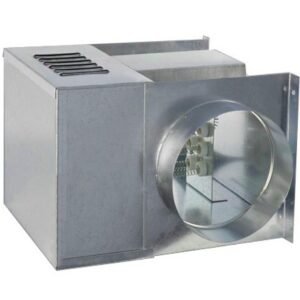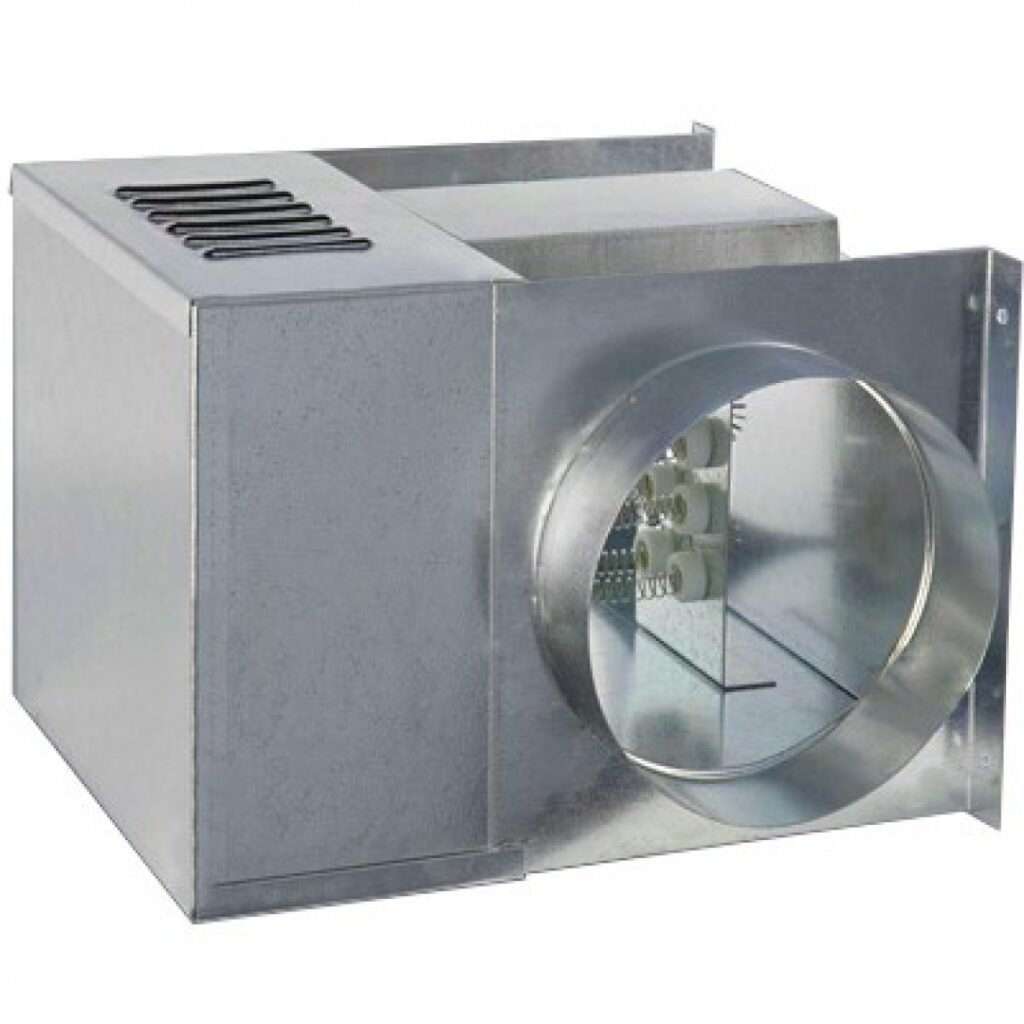
Buildings designed for energy efficiency require effective ventilation without excessive heat escaping indoors. A fresh air heat recovery unit brings outside air into a property while transferring heat from the extracted indoor air to the incoming supply. This exchange can help preserve indoor warmth while lowering the energy lost through regular ventilation. Integrating the equipment into a building’s ventilation design can provide consistent air circulation in tightly sealed homes and modern buildings. By combining outdoor air supply with heat transfer, the system helps address ventilation needs, indoor temperature stability, and energy use within an energy-conscious building design.
Maintaining Comfortable Indoor Conditions with Reliable Ventilation
Consistent air exchange is essential for maintaining a pleasant atmosphere throughout contemporary homes. Insulated walls and airtight construction can restrict natural airflow, increasing the need for controlled ventilation to remove stale air and regulate indoor moisture. When air circulation is inadequate, odours, airborne contaminants, and excess humidity can build up, reducing comfort and potentially encouraging dampness.
A fresh air heat-recovery unit helps address these issues by introducing filtered outdoor air while removing stale air from inside the property. This ongoing exchange supports indoor freshness and transfers heat from outgoing air to the incoming supply, helping reduce unwanted temperature changes. By assisting with air renewal and humidity control, the system can help maintain a more comfortable indoor environment across residential spaces.
Retaining Household Heat through Residential Heat Recovery
Residential heat recovery supports fresh air circulation while reclaiming some of the thermal energy contained in extracted indoor air. Instead of releasing all indoor warmth outside, the system transfers part of that energy to the incoming outdoor air. This reduces the additional heating needed to bring fresh air towards the desired indoor temperature, particularly during colder weather when heating requirements often increase.
Homes with effective insulation may experience more stable indoor temperatures while avoiding some of the fluctuations associated with conventional ventilation. Recovering heat from exhaust air can also reduce the demand placed on heating equipment, depending on the system’s efficiency and the building’s characteristics. Combining ventilation with thermal recovery allows households to renew indoor air while retaining more of the warmth already generated.
Choosing an Appropriate Heat Exchange Ventilation System
Selecting a suitable heat exchange ventilation system requires consideration of the property’s size, layout, insulation, occupancy, and fresh air requirements. The equipment should deliver sufficient airflow to the intended rooms while transferring heat effectively between incoming and outgoing air. Factors such as floor area, room function, and recommended ventilation rates help determine the required system capacity.
Other considerations include product reliability, maintenance demands, operating sound, and electricity consumption. The chosen unit should work with the property’s existing ventilation arrangements and allow convenient servicing over its expected lifespan. Professional assessment and installation can help establish suitable airflow distribution and ensure the equipment operates correctly. Evaluating these factors carefully supports dependable ventilation, indoor comfort, and more efficient energy use throughout the home.
Improving Indoor Freshness with Regular Air Exchange
Indoor air quality contributes significantly to residential comfort, particularly in tightly sealed buildings where natural ventilation may be limited. A fresh air heat-recovery system supplies filtered outdoor air and removes stale air from occupied rooms. This exchange can dilute some indoor pollutants, including dust, allergens, and certain volatile organic compounds, although results depend on filter performance, airflow rates, and the sources of pollutants.
Controlling indoor moisture is another important function of adequate ventilation, since persistent humidity can lead to condensation and encourage mould growth. Heat recovery supports regular air renewal while reducing the amount of warmth lost through ventilation, helping limit unnecessary temperature fluctuations. With suitable filtration and correctly balanced airflow, the system can contribute to fresher indoor conditions and help reduce the buildup of unwanted airborne contaminants.
Reducing Heat Loss while Renewing Indoor Air
Limiting thermal energy loss during ventilation is an important part of designing efficient residential buildings. Conventional air exchange can release warm indoor air outdoors without recovering its stored heat. Heat-recovery equipment reduces this loss by transferring energy from extracted air to incoming fresh air, helping preserve warmth that would otherwise be discarded. This can support comfortable temperatures while reducing the amount of heating required, potentially lowering household energy use and related expenses.
Retaining some of the heat during air exchange helps maintain more efficient indoor conditions, particularly during colder months. More stable temperatures may also improve comfort without relying on excessive heating. Heat-recovery technology therefore offers a practical way to combine regular ventilation with energy conservation and a more consistent indoor climate.
Improving Household Efficiency with Air Heat Recovery
Air heat recovery allows homes to retain part of the heat generated indoors by transferring thermal energy from outgoing air to the incoming fresh air supply. Recovering this energy can reduce the additional heating needed to maintain comfortable temperatures. Depending on the property and energy source, this may reduce reliance on conventional heating equipment, help manage household energy costs, and lower associated greenhouse gas emissions.
Maintaining steadier indoor temperatures can also help heating systems operate more effectively while supporting everyday comfort. This approach may be particularly useful in well-insulated homes that need regular ventilation but would otherwise lose considerable warmth through air exchange. By pairing fresh air circulation with thermal energy recovery, these systems can help balance indoor air quality, energy efficiency, and seasonal comfort.
Maintaining Balanced Airflow throughout the Home
Even air distribution helps create comfortable conditions across different rooms and living areas. Heat-recovery ventilation systems coordinate the supply of outdoor air with the removal of stale indoor air, helping reduce stagnant conditions and excessive temperature variations. Suitable ventilation can also assist with moisture control, limiting conditions that may contribute to condensation and dampness.
A well-planned airflow arrangement can help reduce the accumulation of airborne particles and allergens while distributing fresh air more consistently. Appropriate system design is important because individual rooms may have different ventilation requirements depending on their size, occupancy, and purpose. Balanced supply and extraction can help prevent some areas from receiving too much or too little airflow.
These considerations are especially relevant in tightly insulated properties where natural air movement is restricted. Heat-recovery ventilation provides a controlled way to renew indoor air while supporting thermal comfort, moisture management, and efficient operation in contemporary residential buildings.
Enhancing Residential Comfort with a Fresh Air Heat Exchanger
A fresh air heat exchanger supports a comfortable indoor environment by bringing in outdoor air and transferring heat between incoming and outgoing airflows. This ongoing process helps renew indoor air and dilute some pollutants that may build up in enclosed living spaces.
Recovering thermal energy from extracted air can reduce the energy required to condition incoming air, potentially lowering household heating demand. Appropriate filtration may capture certain airborne particles, while controlled ventilation helps manage excess humidity and reduce conditions that encourage dampness. Performance varies according to system capacity, filter effectiveness, installation standards, and the property’s individual characteristics.
Unlike conventional ventilation that releases indoor warmth directly outside, a heat exchanger transfers some of that energy to incoming air before it enters the home. When incorporated into a suitable residential ventilation design, this technology can help maintain fresh indoor air while supporting temperature stability and more considered energy use throughout the year.
Maintaining Indoor Comfort through Seasonal Temperature Changes
A fresh air heat-recovery unit can help maintain comfortable indoor conditions as outdoor temperatures change throughout the year. By transferring thermal energy between airflows, these systems can support residential climate management in different weather conditions. During colder months, heat recovered from outgoing indoor air can warm the incoming fresh air, potentially reducing the additional heating required.
In warmer weather, the unit continues to provide ventilation, while the extent to which it supports temperature control depends on the system design and outdoor conditions. This adaptability can help households balance air renewal with heating and cooling requirements. Properly designed ventilation also supports controlled airflow and can reduce discomfort associated with poorly managed air movement.
These features make heat-recovery systems relevant to modern homes where energy efficiency and indoor comfort are important priorities. Through balanced ventilation and effective heat transfer, a suitable system can help maintain a stable indoor environment while allowing households to manage energy consumption across changing seasons.
Controlling Roof Heat and Humidity with Residential Roof Ventilation Systems
Residential roof ventilation systems help circulate air through roof cavities, allowing accumulated heat and excess moisture to escape. Adequate ventilation can reduce condensation risks in roof spaces and help protect building materials from prolonged exposure to moisture. During hot weather, removing trapped warm air may also limit heat transfer into the rooms below, contributing to more manageable indoor temperatures.
As part of a wider ventilation plan, roof ventilation can complement heat-recovery equipment by addressing air movement in different areas of a property. Suitable airflow can help maintain better roof-space conditions and support the building’s overall thermal performance. Coordinating ventilation solutions according to the property’s construction and climate requirements may improve indoor comfort, reduce moisture-related risks, and support efficient building operation when each system is appropriately selected and installed.
Cleaner Indoor Environments through Heat-Recovery Ventilation
Heat-recovery ventilation systems can help maintain fresher indoor conditions by continuously removing stale air and supplying filtered outdoor air. This exchange can dilute certain indoor pollutants, including dust, allergens, and some volatile organic compounds, that may build up in enclosed spaces. Suitable filtration helps capture selected airborne particles, while consistent ventilation can assist in managing excess humidity and reducing conditions that encourage condensation and mould growth.
These functions are especially relevant in well-insulated homes where limited natural airflow can allow contaminants and moisture to accumulate. The level of filtration depends on the filter type and its maintenance, making regular inspection important for reliable performance. When correctly designed and operated, heat-recovery ventilation can support balanced indoor air quality, comfortable living spaces, and the ventilation requirements of contemporary residential properties.
Conclusion
A fresh air heat recovery unit helps create comfortable indoor environments by introducing outdoor air and transferring heat between incoming and outgoing airflows. Thermal energy recovered from extracted air can reduce unnecessary heat loss and help stabilise indoor temperatures. Suitable filtration can capture some airborne contaminants, while controlled ventilation assists with managing indoor moisture. Recovering energy during air exchange may also reduce the workload on domestic heating and cooling systems. For households seeking better energy performance, heat-recovery ventilation combines regular fresh-air supply with improved thermal management and everyday comfort.
FAQs
Is it possible to install heat-recovery systems in established homes?
Existing properties can accommodate heat-recovery systems when sufficient space is available for the unit, ventilation ducts, air outlets, and associated components. The installation design will vary according to the building’s structure and its existing airflow arrangements.
How does residential ventilation help maintain efficient household operation?
Residential ventilation replaces stale indoor air and removes accumulated moisture through regular air exchange. When designed appropriately, it can maintain suitable indoor conditions while complementing the property’s heating, cooling, and other domestic systems.
How does a fresh air heat recovery unit reduce energy requirements?
A fresh air heat recovery unit captures thermal energy from outgoing indoor air and transfers it to incoming outdoor air. This recovered energy can reduce the additional heating or cooling required to bring fresh air closer to the desired indoor temperature.
What maintenance helps keep heat-recovery ventilation equipment operating properly?
Maintenance tasks can involve replacing or cleaning filters, inspecting air ducts and vents, and examining components for deterioration. Periodic professional servicing can help preserve suitable airflow, maintain efficiency, and identify developing faults before they affect performance.
| Related Business Listings |
| Contact Directory |
| Local Business Profiles |