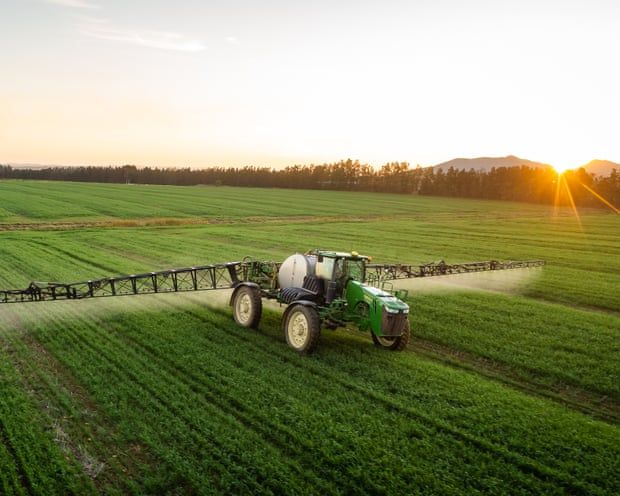
The backbone of British farming relies on an invisible but critical network of logistics: the consistent flow of liquid energy. From the vast grain bowls of East Anglia to the rugged livestock holdings of the Scottish uplands, managing a holding means treating fuel not just as a commodity, but as a primary operational input. Navigating this market requires building a strong relationship with specialized agricultural diesel suppliers. These suppliers do far more than drop off standard fuel; they serve as critical logistical partners who keep tractors moving, drying plants running, and remote farmhouses warm through ever-shifting seasonal demands.
Navigating the Logistics of Heavy-Volume Liquid Energy

Operating a successful farm demands careful long-term planning, especially when securing bulk farm fuel. Unlike commercial transport operations that see stable, year-round usage, British farms experience sharp spikes in demand. The heavy requirements of spring tilling and the frantic, high-stakes harvest window require thousands of liters of fuel to be readily accessible in a matter of hours.
Maintaining a secure, high-capacity on-site storage setup allows you to buy in volume during market dips. Relying on piecemeal, last-minute ordering exposes a business to price spikes and delivery delays during peak seasons. Top-tier distributors solve this issue by offering advanced telemetry systems on their storage units. These smart systems monitor fuel levels in real time and automatically trigger a top-up delivery before the tanks run dangerously low. This hands-off approach ensures your combines and tractors never sit idle when weather windows are tight.
Choosing a Partner Beyond the Delivery Truck

Selecting an agricultural oil supplier involves evaluating much more than the base cost per liter. Modern high-pressure common rail diesel engines found in today’s tractors are highly complex machines. They require clean, stable fuel to operate efficiently. A cheap, lower-grade delivery can quickly cause clogged filters, injector failures, and costly mechanical downtime.
A reliable delivery partner acts as an advisor on fuel health and safety. They provide specialized additives to prevent water condensation and stop the growth of the problematic “diesel bug”—a microbial contamination that thrives in damp, static storage tanks. Furthermore, a comprehensive supplier manages all your liquid energy needs under one roof. They can deliver everything from high-performance engine lubricants and hydraulic oils to specialized transmission fluids, ensuring your entire fleet stays fully operational and compliant with manufacturer warranties.
Keeping Track of Rebated Fuel Regulations
For decades, the standard choice for off-highway machinery across UK farming fuel networks has been marked gas oil. Known universally as red diesel due to its distinctive identification dye, this fuel remains a crucial legal benefit that saves the British agricultural sector hundreds of millions of pounds every year in fuel duty.
However, managing this fuel requires strict legal compliance. While general commercial sectors saw their red diesel privileges removed in 2022, legitimate agricultural, horticultural, and forestry operations retained the right to use it for off-road work. A trusted local supplier ensures your red diesel delivery goes directly into dedicated, secure tanks. They also help maintain the detailed delivery paperwork required to prove compliance during spot checks by HMRC inspectors. Staying aligned with current rules is more vital than ever, particularly with temporary government duty adjustments shifting fuel costs throughout the year.
Adopting Fossil-Free Alternatives in the Fields

As supply chains place greater emphasis on sustainability, the agricultural sector faces increasing pressure to lower its environmental footprint. For businesses looking for an immediate way to cut emissions without buying entirely new machinery, HVO fuel (Hydrotreated Vegetable Oil) has emerged as a groundbreaking solution. This premium, paraffinic fuel is manufactured entirely from certified waste oils and sustainable fats.
Unlike old-fashioned, first-generation biodiesels that often cause filter blockages and degrade quickly in storage, this advanced fuel serves as a true “drop-in” alternative. It can be mixed directly with standard mineral diesel or used completely on its own without requiring any modifications to your existing tractor engines. It burns exceptionally clean, cuts net carbon emissions by up to 90%, and boasts a stable storage life of up to ten years. This longevity makes it an excellent choice for seasonal machines that sit idle for months at a time.
Powering Farmhouses and Grain Dryers Reliable through Winter
While modern tractors and field machinery get most of the attention, a farm’s stationary energy needs are just as vital to its overall bottom line. Keeping deep-bed grain dryers running during a damp autumn or keeping remote farm buildings warm through the winter demands a dependable source of industrial heating oil.
Standard burning oil or commercial kerosene is the traditional choice for these systems, providing a steady and cost-effective source of heat. Because drying harvested crops is a time-sensitive process, even a brief disruption in your heating supply can ruin a yield and cost thousands in lost revenue. Partnering with a distributor that guarantees priority delivery windows during cold snaps gives you invaluable peace of mind. A secure, steady supply ensures that your processing equipment and indoor workspaces stay warm and operational no matter how harsh the British winter turns out to be.
Establishing a Resilient and Future-Proof Energy Strategy

The future of British farming belongs to operations that balance cost efficiency with long-term adaptability. The modern energy market is volatile, shaped by changing global resource costs, shifting environmental regulations, and seasonal weather patterns. Securing your business against these fluctuations requires more than just searching for the lowest price on any given day.
By building an ongoing relationship with a reliable fuel distributor, you gain access to flexible credit terms, bulk pricing advantages, and fixed-price contract options that make your annual cash flow much more predictable. Whether you are sticking with traditional red diesel for your field operations, running your processing plants on high-grade heating oils, or introducing advanced renewable fuels to meet new green supply chain targets, the right supplier ensures your farm always has the energy it needs to grow.