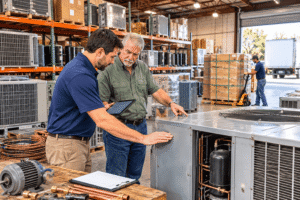
A restaurant owner closes her doors after twelve years. In the back sit two rooftop units, a walk-in cooler compressor, and a storage room full of spare parts. She knows the equipment still has value, but she has no idea who would buy it or how to price it.
This situation is more common than most people realize. Working with a Professional HVAC Liquidation Company in Clover is one of the most practical ways to turn unused heating and cooling equipment into recovered value. Liquidation also keeps usable systems out of landfills and moves them to buyers who need them.
This article covers why HVAC liquidation matters, the most common situations that lead to it, and what property owners and businesses can expect from the process.
Why HVAC Liquidation Matters More Than It Seems
Heating, ventilation, and air conditioning equipment is expensive. A single commercial rooftop unit can cost thousands of dollars new. Even used, these systems often hold real value when they still run well or contain parts that can be reused.
The problem is that HVAC equipment is not easy to sell. It is heavy, bulky, and technical. Most buyers want details about tonnage, refrigerant type, age, and condition before they make an offer.
That is where liquidation specialists come in. They understand the secondary market and know which units sell quickly. They also know how to remove and transport large systems safely.
For many owners, the alternative is grim. Equipment sits unused for months or is hauled away as scrap for a fraction of its worth.
Common Scenarios That Lead to HVAC Liquidation
HVAC liquidation rarely happens by choice alone. It usually follows a bigger change in a business or property. Here are the situations that come up most often.
Business Closures
When a business shuts down, every asset has to go somewhere. Restaurants, retail stores, gyms, and small factories often leave behind HVAC systems that still work well.
Owners in this position usually face tight timelines. A lease may be ending, or a lender may want assets sold quickly. A fast, organized liquidation helps them recover money without delaying the move-out.
System Upgrades
Not every liquidation comes from a closure. Many businesses replace older equipment to improve energy efficiency or meet new building codes.
The old units are often far from worthless. A system that no longer suits a large office building may still be a great fit for a smaller warehouse or workshop. Liquidation gives that equipment a second life.
Surplus Inventory
HVAC contractors and suppliers sometimes end up with more stock than they can use. A canceled project, an over-order, or a shift in product lines can leave shelves full of new or lightly used parts.
Holding onto surplus inventory costs money in storage space and tied-up capital. Selling it through liquidation frees up both.
Property Turnover
Real estate investors, landlords, and property managers deal with HVAC equipment constantly. When a building changes hands or gets renovated, existing systems are often removed.
In some cases, a new owner plans a full mechanical redesign. In others, tenants leave behind portable or specialty units. Either way, someone needs to decide what happens to that equipment.
The Practical Benefits of Professional Liquidation
The biggest benefit is simple: owners recover more value. Professionals know current market prices and can match equipment with the right buyers. That often means a better return than selling scrap metal or posting a random online listing.
Time savings matter too. Selling HVAC equipment alone can drag on for weeks. Buyers ask questions, schedule visits, and sometimes back out. A liquidation team handles much of that work in one coordinated effort.
Safety is another factor that gets overlooked. Commercial HVAC units can weigh hundreds or even thousands of pounds. Removing them may require cranes, special rigging, and trained crews. Mistakes can damage roofs, injure workers, or create liability issues.
There are also environmental rules to consider. Many HVAC systems contain refrigerants that must be recovered properly under federal regulations. Experienced liquidators understand these requirements and help owners avoid costly violations.
Finally, liquidation supports sustainability. Reusing equipment reduces demand for new manufacturing and keeps metal, copper, and electronics out of landfills.
Key takeaway: Professional liquidation is not just about selling equipment. It also protects owners from safety risks, legal trouble, and lost value.
Real-World Examples From the Clover Area
Clover, SC has grown steadily as part of the greater Charlotte region. New homes, shops, and light industrial sites keep appearing. With that growth comes constant turnover in commercial space, which creates steady demand for HVAC liquidation.
Picture a small manufacturing shop that moves to a bigger facility across the state line. The new building already has a modern system installed. The old space still holds three working packaged units. Rather than leave them behind or scrap them, the owner arranges a liquidation and recovers a solid amount to put toward moving costs.
Or consider a local property manager handling a strip mall renovation. Several tenant spaces are being combined, so the old split systems are no longer needed. Instead of paying for disposal, the manager sells the units, and they end up serving smaller businesses elsewhere in the region.
Contractors benefit as well. A heating and cooling company with leftover condensers from a canceled housing project can use Clover HVAC Equipment Liquidation Services to clear that inventory. The money gets reinvested in tools, trucks, or staff.
Some local providers, such as On Time HVAC, have seen these situations firsthand. The pattern is consistent across the industry: well-maintained equipment almost always has a buyer somewhere.
What to Look for in a Liquidation Partner
Not all liquidation providers operate the same way. Owners in Clover, SC who are weighing their options should consider a few basic factors.
Experience with commercial and residential HVAC systems is important. A provider who understands different brands, sizes, and refrigerant types can give a more accurate valuation.
Transparency also matters. A reliable company explains how it prices equipment and what fees, if any, apply. Clear communication helps avoid surprises later.
Licensing and insurance should never be skipped. Removal work carries real risk, and proper coverage protects the property owner if something goes wrong.
Lastly, look at how the provider handles refrigerant recovery and disposal. Responsible handling shows a commitment to both safety and environmental compliance.
Choosing a Professional HVAC Liquidation Company in Clover with these qualities makes the process smoother and more profitable from start to finish.
Common Mistakes to Avoid
One frequent mistake is waiting too long. Equipment that sits unused can lose value as it ages or gets exposed to weather. The sooner owners act, the better their return tends to be.
Another error is removing equipment without professional help. Cutting refrigerant lines or disconnecting electrical systems improperly can cause damage and break environmental laws.
Some owners also accept the first offer they receive. Getting an informed valuation first helps ensure the price reflects the equipment’s true worth.
Final Thoughts
HVAC liquidation turns idle equipment into recovered value, whether the cause is a closure, an upgrade, surplus stock, or a property change. It also reduces waste and helps buyers find affordable systems.
For business owners, contractors, and property managers in Clover, SC, the smartest move is to plan early. Document the equipment, gather basic details like model numbers and age, and compare providers carefully. Reliable Clover HVAC Equipment Liquidation Services can make a stressful transition far easier to manage.
Frequently Asked Questions
What is HVAC liquidation?
HVAC liquidation is the process of selling used, surplus, or unneeded heating and cooling equipment. It often happens during business closures, system upgrades, or property renovations.
Is used HVAC equipment really worth selling?
Yes, in many cases. Working units and reusable parts often hold strong resale value, especially commercial systems that are only a few years old and well maintained.
How long does the HVAC liquidation process take?
Timelines vary based on the amount and size of the equipment. Small jobs may wrap up within days, while large commercial projects can take a few weeks.
Do I need to remove the equipment before liquidation?
Usually not. Most liquidation providers handle removal, since commercial units often require special tools, trained crews, and proper refrigerant recovery.
What happens to HVAC equipment that cannot be resold?
Units that cannot be reused are typically broken down for recycling. Metals like copper and aluminum are recovered, and refrigerants are disposed of according to environmental regulations.