Electrical systems installed in outdoor, marine, industrial, and demanding environments face one major challenge: moisture. Water, humidity, condensation, and salt spray can enter electrical connections and cause corrosion, short circuits, signal interruptions, and equipment failure.
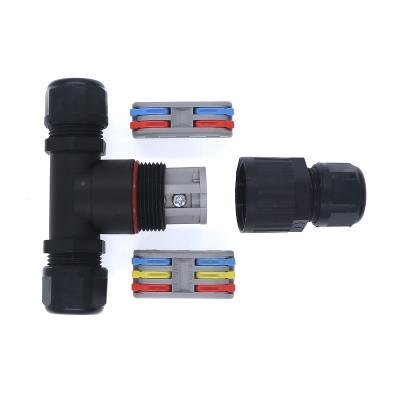
This is why choosing the right connector is essential for maintaining safe and reliable electrical performance. 2-5 Pin Watertight Connectors are designed specifically to create secure electrical connections while helping prevent water and moisture from reaching sensitive contact points.
These connectors are available with different pin configurations, making them suitable for applications that require power transmission, signal communication, or both. Their sealed construction provides an important layer of protection where conventional connectors may not perform reliably. Understanding how they work and where they are useful can help businesses and engineers make better decisions when designing moisture-resistant electrical systems.
Understanding Watertight Connector Technology
A watertight connector is more than a simple electrical plug and socket. It combines electrical contacts with mechanical sealing components designed to restrict the entry of water, dust, and other contaminants. Depending on the design, sealing rings, gaskets, cable seals, and locking mechanisms work together to maintain protection around the connection.
The main purpose is to create a barrier between the electrical contacts and the surrounding environment. When properly installed, this barrier reduces the possibility of moisture reaching conductive components. This is particularly important in locations where electrical equipment is regularly exposed to rain, splashing water, condensation, or high humidity.
How Sealing Prevents Moisture Damage
Moisture can create serious electrical problems. When water reaches exposed conductive surfaces, it can contribute to oxidation and corrosion. Over time, corrosion may increase electrical resistance and weaken the connection. In more severe situations, moisture can create unwanted conductive paths between contacts, potentially causing short circuits.
2-5 Pin Watertight Connectors address this issue through sealed housings and carefully designed contact areas. The connector body surrounds the electrical contacts, while seals help close potential entry points around the cable and mating surfaces. A secure locking mechanism can also help maintain consistent pressure between sealing components.
This protection becomes especially valuable in equipment that operates continuously outdoors. Instead of relying only on an enclosure around the entire electrical system, engineers can use sealed connectors at individual connection points to provide additional protection.
Protection in Marine Environments
Marine applications are among the most demanding environments for electrical connections. Equipment may encounter seawater, salt spray, humidity, rain, and constant temperature changes. Saltwater is particularly problematic because it can accelerate corrosion on exposed metal components.
For boats, underwater equipment, marine lighting, navigation systems, pumps, sensors, and other electrical installations, sealed connections can help improve long-term reliability. 2-5 Pin Watertight Connectors can provide protected connection points that reduce the likelihood of water reaching electrical contacts.
The number of pins can also be selected according to the application’s requirements. A two-pin configuration may be suitable for basic power connections, while connectors with additional pins can support multiple power or signal circuits within a single connection.
Suitable for Outdoor Electrical Equipment
Outdoor equipment is frequently exposed to unpredictable weather. Even when direct rainfall is not a concern, condensation can develop when temperatures fluctuate between day and night. Moisture can enter poorly protected connection points and remain trapped inside electrical equipment.
Watertight connectors help reduce this risk by providing sealed interfaces. They can be used in outdoor lighting, surveillance equipment, solar installations, communication systems, automation equipment, sensors, and electrical control systems.
Another benefit is convenience. Instead of creating complicated custom sealing arrangements around every connection, installers can use purpose-designed connectors that integrate electrical connectivity and environmental protection into one component.
Maintaining Reliable Electrical Performance
A good electrical connection needs more than physical contact between two conductive surfaces. It must remain stable despite vibration, temperature changes, moisture, and environmental contaminants.
A properly engineered connector helps maintain consistent contact between mating terminals. Its locking structure can prevent accidental separation, while its sealing components help limit environmental exposure. Together, these features can contribute to stable electrical performance.
In applications involving sensors and communication equipment, reliable connections are particularly important. A small amount of moisture-related interference can cause inaccurate readings, intermittent signals, or unexpected equipment shutdowns. Protected connectors therefore support both power and data reliability.
Choosing the Right Pin Configuration
Different electrical systems require different numbers of conductors. Selecting the appropriate pin configuration depends on the equipment, voltage requirements, signal requirements, and wiring arrangement.
Two-pin connectors are commonly useful for straightforward positive-and-negative power connections. Three-pin configurations may accommodate power plus an additional signal or grounding arrangement. Four- and five-pin designs can support more complex combinations of power and signal circuits.
When selecting a connector, users should also consider current capacity, operating voltage, cable size, temperature range, sealing performance, connector material, and compatibility with the equipment. Choosing a connector simply because it has a watertight label may not be enough; its complete specifications should match the intended application.
Installation Is Just as Important
Even a high-quality sealed connector can perform poorly if it is installed incorrectly. Cable preparation, terminal assembly, mating, and sealing must follow the manufacturer’s instructions.
Installers should ensure that cables are not excessively bent near the connector. The sealing surfaces should remain clean, and the connector should be fully engaged before the equipment is placed into service. Damaged seals should be replaced rather than reused.
Regular inspections can also identify early signs of wear, corrosion, cracked housings, or loose connections. Preventive maintenance is especially important for marine and outdoor systems where connectors experience constant environmental exposure.
Applications Across Multiple Industries
The versatility of 2-5 Pin Watertight Connectors makes them useful across a broad range of industries. Marine electronics can use them for pumps, lighting, sensors, and control equipment. Industrial automation systems can use sealed connectors for machinery operating in wet or dusty environments.
They can also be valuable in outdoor telecommunications, transportation equipment, renewable energy systems, security installations, and specialized electronic devices. Wherever electrical connections must remain dependable despite environmental exposure, a properly specified watertight connector can provide an important advantage.
Why Quality Matters
Not all connectors offer the same level of environmental protection. Materials, sealing technology, contact construction, locking mechanisms, and manufacturing quality can all influence performance.
A connector intended for a demanding application should be selected based on verified specifications rather than appearance alone. Factors such as ingress protection ratings, material compatibility, operating temperature, electrical ratings, and expected environmental conditions should be reviewed before purchase.
Using quality components can also reduce maintenance requirements and minimize the risk of premature electrical failures. Although a higher-quality connector may have a greater initial cost, improved reliability can provide better value throughout the system’s service life.
Choosing hysfsubsea for Watertight Connection Solutions
For projects requiring dependable moisture-resistant electrical connections, hysfsubsea focuses on solutions suitable for demanding environments where reliable connectivity is essential. When evaluating products, customers should consider their specific electrical requirements, environmental conditions, connector configuration, and installation needs. Selecting an appropriately designed solution can help create stronger and more dependable electrical systems for marine, outdoor, and industrial applications.
Conclusion
Moisture is one of the most common threats to electrical reliability, particularly in marine, outdoor, and industrial environments. Effective sealing can help prevent water and contaminants from reaching electrical contacts, reducing the risks of corrosion, short circuits, and connection failure.
By combining protected contact areas, durable housings, sealing components, and secure locking systems, 2-5 Pin Watertight Connectors provide a practical approach to moisture-resistant electrical connectivity. With the correct pin configuration, suitable specifications, and proper installation, they can help electrical systems operate more reliably in challenging conditions.
For engineers, installers, and equipment manufacturers, selecting the right watertight connector is therefore an important step toward improving electrical safety, durability, and long-term performance.