Maintaining fresh indoor air without wasting energy is an important part of creating a comfortable home. A heat exchanger fan draws fresh outdoor air indoors while transferring heat from outgoing stale air to the incoming supply. This exchange helps reduce heat loss during ventilation and supports more consistent indoor temperatures. The process is especially useful in tightly sealed buildings, where regular air replacement is needed to prevent indoor air from becoming stagnant. By integrating ventilation and heat recovery, these systems promote effective air movement, help maintain thermal comfort, and minimise avoidable energy loss when indoor air is replaced.
Maintaining Healthier Indoor Environments
A steady supply of outdoor air helps create comfortable indoor spaces with effective ventilation. When air circulation is insufficient, carbon dioxide, volatile organic compounds, and airborne particles may build up and affect indoor air quality. Replacing stale air with fresh outdoor air helps dilute these contaminants and creates a healthier atmosphere in residential and workplace settings.
Ventilation also supports moisture control because high humidity can encourage dampness and mould development. Systems fitted with heat-exchanger fans remove used indoor air while introducing fresh air, helping maintain a regular supply throughout occupied areas.
By managing airflow, these systems provide ventilation while retaining some of the thermal energy in outgoing air. They can also improve air distribution and reduce stagnant zones. In homes and commercial buildings, effective air exchange supports indoor comfort, cleaner air, and more efficient building operation.
Limiting Energy Waste with Heat Recovery during Ventilation
Bringing outdoor air into a building can release energy previously used to heat or cool the interior. When conditioned air leaves directly through conventional ventilation, incoming air may need additional heating or cooling to achieve a comfortable temperature. Heat-exchanger fans help address this loss by transferring thermal energy between outgoing and incoming air without mixing the separate air streams.
Reusing a portion of this energy can improve ventilation performance and reduce the demand placed on heating and cooling equipment. This is especially useful in regions with substantial seasonal temperature variations, where maintaining comfortable indoor conditions can consume considerable energy. Recovering heat that would otherwise escape allows buildings to renew indoor air regularly while managing energy use more efficiently.
Matching Ventilation Systems to Different Building Requirements
The amount of ventilation a building needs depends on its design, purpose, occupancy, and daily activities. Residential systems generally need to deliver reliable airflow while keeping noise levels manageable and preserving usable space. Compact units and well-planned air distribution can help maintain indoor freshness without unnecessarily interrupting household routines.
Commercial properties may have more varied ventilation demands because offices, shops, and industrial facilities differ in floor area, occupant numbers, and operating requirements. Their systems must accommodate these conditions while maintaining suitable indoor air quality and comfort.
Heat-exchanger fans are available in configurations suited to different building layouts and ventilation needs. Appropriate airflow settings help match system performance to the space and its occupants. Combining regulated ventilation with heat recovery makes these units practical for properties where consistent air renewal, stable temperatures, and energy conservation are important.
Managing Airflow and Temperature with Heat Exchange Ventilation Fans
A heat exchange ventilation fan brings fresh air into a building and removes stale air while transferring heat between separate airflow channels. Depending on the equipment design, crossflow or counterflow technology can maintain ongoing ventilation while reducing the thermal energy lost as indoor air is discharged.
Heat recovery can lower the demand for heating and cooling systems, helping improve overall building energy performance. Controlled airflow may also distribute fresh air more evenly, reduce stagnant areas, and minimise uncomfortable draughts or uneven temperatures. If the unit includes suitable filtration, it may capture some particles from incoming air, with effectiveness depending on the filter type and specification.
Airflow capacity can be adjusted or selected according to a property’s size, layout, and typical use. This flexibility enables heat exchange ventilation fans to address different ventilation requirements while balancing fresh-air circulation, indoor comfort, and energy consumption.
Retaining Exhaust Energy to Improve Building Efficiency
Ventilation can refresh indoor spaces without allowing all the energy contained in outgoing air to go to waste. Heat recovery technology captures part of this energy by transferring warmth from exhausted air to fresh air entering the building. Separate airflow channels enable thermal transfer while preventing the direct mixing of stale indoor air and incoming outdoor air. This arrangement maintains regular air exchange while making better use of energy already generated for indoor heating.
Recovering heat from exhaust air can ease the demands on heating and cooling equipment, potentially reducing electricity use and operating costs. In colder weather, outgoing indoor air can warm incoming outdoor air before it reaches occupied rooms. Under warmer conditions, some systems can transfer heat away from incoming air, depending on their design and operating settings. These capabilities can help moderate indoor temperatures and reduce avoidable energy consumption.
This method is useful in buildings that require frequent ventilation and comfortable indoor conditions throughout changing seasons. Homes, offices, and other enclosed spaces may benefit from adding thermal recovery to their ventilation systems. Actual results depend on equipment performance, airflow levels, local climate, insulation, and ongoing maintenance. When properly designed and installed, heat recovery can improve building efficiency while meeting fresh-air needs and supporting practical energy management.
Making Air Exchange More Efficient with Heat Reclaim Ventilation
Heat reclaim ventilation enables buildings to remove stale indoor air and introduce fresh outdoor air while recovering some of the thermal energy that would otherwise escape. As exhaust air leaves the building, its heat transfers to the incoming air supply, helping reduce the temperature gap between outdoor air and indoor conditions. This exchange can minimise wasted energy and lower the demand on heating and cooling systems.
Reusing recovered heat can support steadier indoor temperatures and reduce dependence on mechanical climate control alone. At the same time, removing used air helps maintain regular circulation and prevents indoor environments from becoming poorly ventilated.
Homes, commercial premises, and industrial buildings may benefit from this technology according to their particular airflow requirements and operating conditions. Climate, occupancy levels, and ventilation demand all influence equipment suitability and effectiveness. By combining fresh-air circulation with thermal energy recovery, heat reclaim systems can help maintain comfortable interiors while encouraging more efficient energy use.
Setting Appropriate Airflow Levels for Indoor Spaces
Effective ventilation relies on supplying enough fresh air to meet the needs of a particular building without using more energy than necessary. Excessive airflow can increase energy demand because larger volumes of conditioned indoor air are removed and replaced with outdoor air. Selecting suitable ventilation rates helps manage this loss while maintaining adequate air renewal.
Insufficient airflow presents a different concern, as moisture, stale air, and airborne pollutants may accumulate when indoor air is not replaced regularly. Systems fitted with heat-exchanger fans can be configured to respond to factors such as occupancy levels and changing outdoor conditions. Adjusting ventilation rates to suit these variations helps balance fresh-air delivery with energy use. Distributing air effectively throughout the property can also reduce temperature differences and support more consistent comfort across occupied areas.
Design Elements That Shape Heat-Exchanger Fan Efficiency
The efficiency and dependability of a heat-exchanger fan are influenced by its materials, internal mechanisms, and construction. Robust components help the unit handle continuous use and fluctuations in temperature or humidity, making it suitable for various residential and commercial environments.
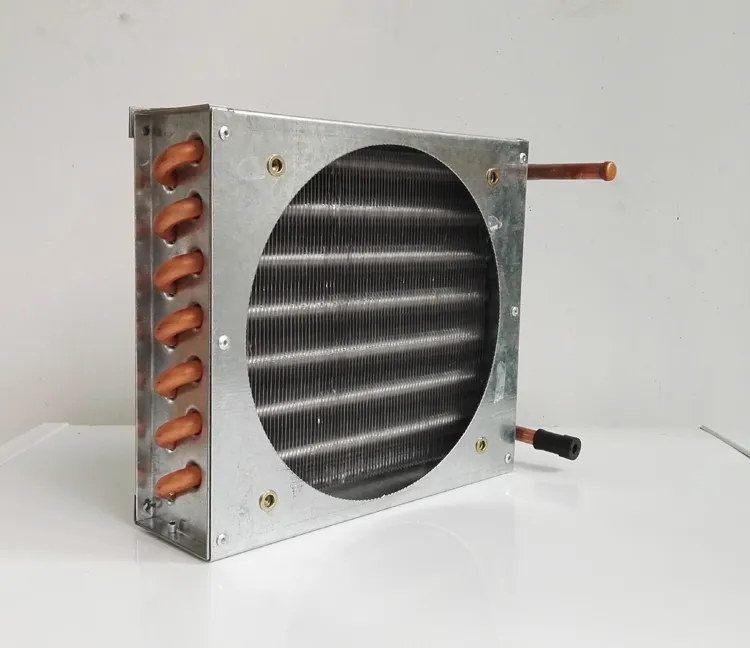
The heat exchange core plays a major role by transferring thermal energy between two separate air streams while maintaining airflow through the equipment. Energy-efficient motors help deliver steady ventilation while limiting electricity use. Depending on the model, automated controls and sensors can also regulate airflow in response to changing indoor or outdoor conditions.
Noise output is another consideration when units are installed near sleeping areas, workspaces, or frequently occupied rooms. Effective insulation can limit unwanted heat transfer, while accessible filters and replaceable components make regular maintenance easier. Together, these features can support consistent ventilation, reliable operation, and practical long-term servicing.
Combining Continuous Air Renewal with Heat Recovery
A heat exchange system supports indoor air renewal while reclaiming thermal energy that might otherwise be lost during ventilation. As used air is removed from the building, some of its heat passes to the incoming outdoor air, helping bring replacement air closer to the indoor temperature. This process can improve thermal comfort and reduce the workload on heating and cooling equipment.
Integrating controlled airflow with energy recovery enables buildings to receive fresh air while retaining some of the energy previously used to condition indoor spaces. Equipment can be selected to suit different layouts, occupancy patterns, and ventilation requirements, helping balance the removal of stale air with the delivery of fresh air. With suitable system selection and installation, this approach can maintain comfortable indoor environments while reducing the energy demands associated with regular air exchange.
Conclusion
Heat-exchanger fans improve building ventilation by bringing in outdoor air and transferring heat from the outgoing airflow to the incoming supply. This process renews indoor air while helping preserve energy already used to heat or cool the property. Such systems can suit houses, offices, and other buildings that require a steady exchange of air. Choosing suitable equipment, ensuring correct installation, and maintaining appropriate airflow rates are important for effective performance. By combining fresh-air delivery with thermal recovery, these systems can support healthier indoor conditions and more considered energy use.
FAQs
What happens when a heat exchanger fan is running?
A heat exchanger fan introduces outdoor air into the building and extracts stale indoor air. During this process, the two air streams pass through separate channels in the heat exchanger, allowing thermal energy to transfer between them without directly mixing the air.
How does a heat-exchange ventilation fan help limit energy use?
A heat-exchange ventilation fan recovers some of the heat from extracted indoor air and transfers it to the incoming outdoor supply. This reduces the temperature difference that heating or cooling equipment must address, potentially lowering its energy requirements.
How does heat-reclaim ventilation recover warmth?
Heat-reclaim ventilation captures thermal energy from air being expelled outdoors. Within the heat exchanger, this energy is transferred to the incoming fresh-air stream, reducing heat loss while allowing the building to receive a continuing supply of outdoor air.
What makes balanced airflow necessary for effective ventilation?
Balanced airflow helps regulate the amount of fresh air entering a building against the volume of stale air being removed. Appropriate flow rates can support indoor air quality, help control pressure differences, and prevent inefficient operation caused by excessive ventilation.
What types of properties are suitable for heat-exchange systems?
Heat-exchange systems may be appropriate for residential homes, offices, commercial premises, and certain industrial buildings. Equipment selection depends on the available installation area, building size, number of occupants, required ventilation rate, and the property’s specific air exchange requirements.
| Related Business Listings |
| Contact Directory |
| Local Business Profiles |