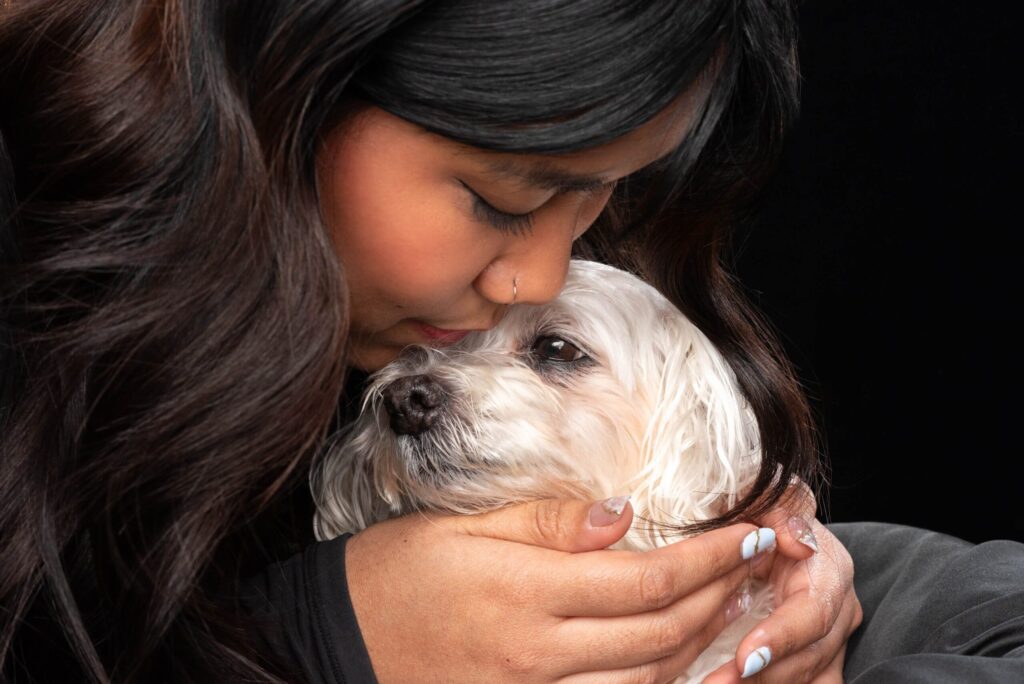
Many pet owners look for deeper ways to understand their animals, especially during difficult situations or major life changes. Curiosity about intuitive communication has grown as people search for emotional connection beyond normal observation. Many people also wonder whether Animal communicators can truly provide reliable insights or whether the experience depends mostly on personal belief. Understanding the topic requires an open but balanced perspective that considers both possibilities and practical limitations.
Animal Psychic Communication
Animal psychic communication is commonly described as an intuitive practice where a person attempts to receive thoughts, feelings, or impressions from an animal. Practitioners often claim they connect through emotions, mental images, or symbolic messages instead of spoken language. Pet owners usually seek these sessions to better understand unusual behaviors, emotional concerns, missing pets, or the bond they share with their companions. Scientific evidence remains limited, making the experience highly personal rather than universally accepted.
Factors That Influence Accuracy
Accuracy can vary for many reasons, and every session may produce different experiences. The skill and experience of the practitioner, the openness of the pet owner, and the purpose of the session all play important roles. Emotional expectations may also influence how messages are interpreted. Some details may seem surprisingly meaningful, while others remain unclear or inaccurate. Looking at the results carefully instead of expecting perfect answers creates a healthier and more realistic perspective.
Separating Guidance From Proven Facts
Animal psychic sessions should never replace veterinary care or professional animal behavior advice. Physical illnesses, injuries, and serious behavioral concerns require proper medical evaluation by qualified experts. Intuitive communication may offer emotional comfort or personal reflection, but it cannot confirm a diagnosis or guarantee specific outcomes. Responsible pet owners use every available source of information together, combining practical observation with professional guidance before making important decisions about an animal’s health or wellbeing.
Signs of a Helpful Session
A productive session often feels respectful, thoughtful, and free from exaggerated promises. Genuine practitioners usually encourage clients to think critically instead of asking them to accept every statement without question. Helpful experiences often include meaningful observations that match the pet’s personality, habits, or emotional state. Honest communicators also admit uncertainty rather than forcing answers. This balanced approach often builds greater trust between the practitioner and the pet owner throughout the conversation.
Step-by-Step Approach Before Booking
Choosing a session carefully can improve the overall experience and help manage expectations from the beginning. Consider these practical steps before making an appointment:
- Research the practitioner’s background and reviews.
- Ask about their communication methods.
- Avoid anyone guaranteeing perfect accuracy.
- Prepare clear questions before the session.
- Keep realistic expectations throughout the experience.
- Compare any insights with your own observations.
- Consult a veterinarian for medical concerns.
Questions to Ask Yourself After the Session
Careful reflection helps determine whether the information provided feels useful or meaningful. Consider whether the messages included details that genuinely connected with your pet’s behavior instead of relying on broad statements. Think about whether the experience offered emotional comfort or practical understanding without creating unnecessary fear. Personal notes taken immediately after the session can also help compare predictions with future events. Honest evaluation often provides a clearer picture than emotional excitement alone.
Conclusion
Communication with an animal psychic remains a topic that attracts both curiosity and skepticism. Personal experiences differ greatly, and no single answer fits every situation. Viewing these sessions as a source of personal insight rather than verified fact creates a balanced approach. Careful research, realistic expectations, and continued attention to professional veterinary care help pet owners make thoughtful decisions. Keeping an open mind alongside critical thinking allows every experience to be evaluated fairly and responsibly.